Gear Guides
Cellular vs. Standard Trail Cameras: Which to Buy?
One sends photos to a phone, the other saves them to a card you walk in to collect. Here's the honest difference — and which type makes the better gift.
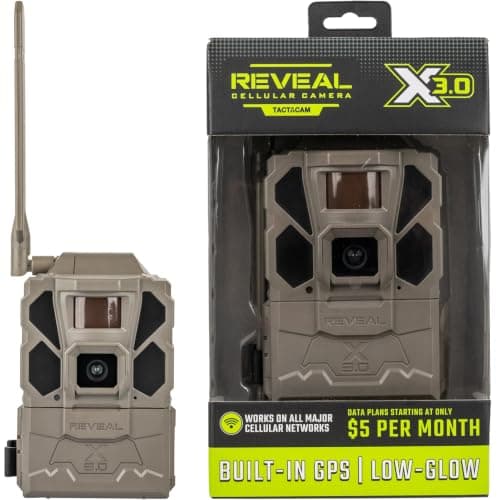
A trail camera is a weatherproof camera a hunter straps to a tree to watch a spot when they're not there. It snaps a photo whenever something walks by, so they learn where and when the deer move without tramping through and spooking them. When you shop for one, though, you hit an immediate fork: cellular or standard. It sounds technical, but the difference is simple, and it changes both the price and how the camera gets used.
Here's the plain version. A cellularcamera sends its photos to the hunter's phone over a cell network, so they never have to visit it. A standard camera saves photos to a memory card that someone walks in to collect. This guide breaks down what that really means for cost, convenience, and which one is the smarter gift.
The short answer
If you just want the verdict: a standard camera is the safe, no-strings gift, and a cellular camera is the premium upgrade for a serious, tech-comfortable hunter. A standard camera is a one-time purchase with nothing more to pay — you buy it, they hang it, done. A cellular camera does something genuinely magical (photos land on their phone from miles away), but it almost always needs a paid data plan to keep sending, so it's an ongoing cost, not just a one-time gift. Everything below is the detail behind that sentence.
How a cellular camera works
A cellular trail camera has a small cellular radio inside, just like a phone. When it takes a photo, it sends the image over the nearest cell tower to an app on the hunter's phone. They can be sitting at their kitchen table, or three states away on a work trip, and still see a buck walk past their stand in near real time. That's the whole appeal: they never have to drive out, walk in, and pull a card — which means they never leave scent or bump deer just to check the camera.
The catch is that sending data over a cell network isn't free. Cellular cameras run on a data plan or subscription, usually billed monthly or yearly, that pays for the photos to be delivered. Plans scale with how many photos the camera sends, and they only work where there's enough cell signal on the property. So a cellular camera is two purchases in one: the camera itself, and the service that keeps it talking. That's worth knowing before you wrap one up as a gift.
How a standard camera works
A standard trail camera — sometimes called an SD-card or non-cellular camera — does everything except send the photos to a phone. It snaps images and saves them to a removable memory card tucked inside. To see what it caught, the hunter walks out to the camera, pops the card, and views the photos on a phone or computer, then puts a fresh card back in. No signal needed, no monthly bill, ever.
That makes a standard camera simpler and cheaper to own, and it works absolutely anywhere, including the deep-woods and back-country spots where no phone would ever get a bar of signal. The trade-off is that checking it means physically going there, which takes time and risks leaving human scent that can make wary deer go nocturnal or move off. For a lot of hunters that's a perfectly fair trade, especially on land close to home that they visit anyway.
Cellular vs. standard, head to head
Here's the comparison laid out plainly, feature by feature.
| Feature | Cellular | Standard |
|---|---|---|
| How you see photos | Sent straight to a phone app, from anywhere | Walk in and pull the memory card yourself |
| Ongoing cost | Needs a paid data plan or subscription to keep sending | None — buy it once and it's yours |
| Up-front price | Higher; you're paying for the cellular hardware | Lower; the friendliest way into trail cameras |
| Disturbance to deer | Very little — no need to visit and leave scent | More — every card check means walking the spot |
| Where it works | Only where there's enough cell signal | Anywhere, including remote no-signal country |
| Best gift for | A serious, tech-comfortable hunter who scouts hard | A first camera, a budget, or off-grid land |
Read down the table and the pattern is clear: cellular buys convenience and keeps the woods undisturbed, while standard keeps things cheap, simple, and signal-free. Neither is "better" in the abstract — it depends entirely on the hunter and their land.
The ongoing cost nobody mentions
This is the single most important thing to understand before gifting a cellular camera: the data plan is a recurring bill. The camera won't send a single photo without an active plan, so if you hand someone a cellular camera, you're also handing them a subscription they'll need to sign up for and keep paying. That can be a lovely gift for the right person — or an awkward surprise for someone who didn't want another monthly charge.
A standard camera has none of that. It's a clean, one-and-done gift: buy it, they use it for years, and the only extra they might ever want is a spare memory card or fresh batteries. That simplicity is a real feature when you're buying for someone whose exact preferences you don't know. If you do want to go cellular, one thoughtful move is to mention that it'll need a plan so it isn't a shock — or gift it to someone you know is already deep enough into hunting to happily pay for one.
What we like
- Cellular: photos on their phone from anywhere — pure convenience
- Cellular: scouts a spot without ever visiting and spooking deer
- Standard: a one-time buy with zero ongoing cost
- Standard: works everywhere, even with no cell signal at all
Worth knowing
- Cellular: a data plan is a recurring bill, not just a gift
- Cellular: only works where there's enough cell signal
- Standard: checking it means walking in and risking scent
- Standard: no remote alerts — they see photos only when they pull the card
Which to gift
If you're unsure, a standard camera is the easy, can't-miss gift. It's affordable, it works anywhere, and there's no subscription to explain or pay for. It's especially perfect as someone's first trail camera, or for a hunter whose land is too remote for a cell signal. You give it, they hang it, and it just works.
Choose a cellular camera whenyou know the person is a keen, hands-on scouter who'd love photos on their phone, is comfortable with an app, and won't mind the data plan — or when you want to make a real splurge of it. In that case the convenience is worth every penny and it feels like a proper high-tech gift. Not sure which way to lean? Our how we choose page explains how we weigh these calls, and you can browse the wider category in our gear guides.
Frequently asked questions
What's the difference between a cellular and a standard trail camera?
A cellular camera sends its photos to the hunter's phone over a cell network, so they never have to visit it. A standard camera saves photos to a memory card that someone walks in to collect. Cellular adds convenience; standard is simpler and cheaper.
Do cellular trail cameras need a subscription?
Almost always, yes. A cellular camera uses a paid data plan or subscription to send photos over the cell network, usually billed monthly or yearly. Without an active plan it won't send anything, so it's an ongoing cost on top of the camera itself.
Does a standard trail camera need Wi-Fi or a data plan?
No. A standard camera saves photos to a memory card with no network involved, so there's nothing to pay after you buy it and it works anywhere, even in remote spots with no cell signal. You just walk in and pull the card to see the photos.
Are cellular trail cameras worth the extra cost?
For a serious hunter who scouts hard, often — remote photos save trips and keep deer from being spooked by card checks. For a first camera, a tight budget, or land with no signal, a standard camera delivers most of the value without the recurring bill.
Which type makes a better gift?
A standard camera is the safer, no-strings gift: affordable, works anywhere, and no subscription to explain. Choose cellular when you know the person is a keen, app-comfortable scouter who'll welcome photos on their phone and won't mind the data plan.