Gear Guides
How to Choose a Crossbow (Beginner's Guide)
Speed ratings, draw weight, cocking aids, packages — decoded in plain English so a non-hunter can choose a crossbow with real confidence.
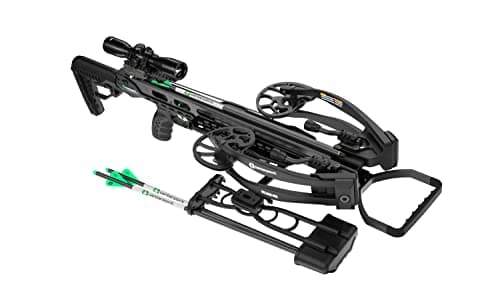
A crossbow makes a memorable, big-swing gift for a hunter — but the spec sheets are full of numbers and terms that mean nothing until someone explains them. What's a good FPS? Does draw weight matter? What's a package, and what should a beginner actually look for? This guide answers all of that in plain English, so you can choose with confidence even if you've never held a crossbow.
We'll explain what a "complete package" includes, translate speed and draw weight into what they mean for a hunter, cover cocking aids (a bigger deal than they sound), touch on safety and the fact that laws vary by state, and finish with a clear recommendation. No experience required.
Start with a complete package
The single most useful thing to know as a gift-buyer: buy a "package," not a bare crossbow. A crossbow on its own is just the shooting part — you'd still need a scope, arrows (called bolts), a quiver to hold them, and usually a cocking aid before it could be used. A complete or "ready-to-hunt" packagebundles all of that together in one box: crossbow, mounted scope, bolts, quiver, and typically a cocking rope or crank. For a gift, that's exactly what you want — they open it and they're essentially ready to head to the range.
Nearly every crossbow aimed at hunters is sold this way, and the word to look for is "package."It saves the recipient from a frustrating scavenger hunt for parts and hidden extra costs, and it means the scope is already matched to the bow. If you're buying for a beginner, a package isn't just convenient — it's the right call.
Speed (FPS) in plain terms
You'll see crossbows rated in FPS — feet per second, the speed the bolt leaves the bow. Higher numbers get marketed hard, but here's the honest truth for a beginner: modern crossbows are plenty fast, and more speed isn't the thing to chase. A faster bolt shoots a bit flatter and hits harder, which sounds great, but past a certain point the gains are small and the fastest bows tend to be pricier and louder. For typical deer-hunting ranges, a mid-level speed rating is more than enough to hunt effectively and ethically.
So don't let a slightly lower FPS scare you off a well-made, well-reviewed package. A crossbow that's accurate, comfortable to shoot, and dependable will do far more for a hunter than chasing the biggest speed number on the shelf. Speed is one ingredient, not the whole recipe.
Draw weight and cocking aids
Draw weightis how much force it takes to cock the crossbow — to pull the string back into the ready position. It's a bigger number than people expect, often in the range where cocking by bare hands is a real effort. This is where cocking aids come in, and they matter more than almost any spec on the sheet. A rope cocker roughly halves the effort using a simple pulley, and a crank (a cocking device) makes it almost effortless with a small handle you turn.
Why does this matter for choosing a gift? Because cocking is the hardest physical part of using a crossbow, and a good aid makes the bow usable for almost anyone — a smaller-framed adult, a younger hunter, or an older one. If you're buying for someone who isn't especially strong, look for a package that includes a crank or is crank-compatible. It can be the difference between a crossbow they love and one that sits in the closet. A rope cocker is the everyday minimum; a crank is a lovely upgrade.
| Package tier | Typically what you get | Best for |
|---|---|---|
| Budget (often under $300) | Ready-to-hunt bundle: bow, basic scope, bolts, quiver, rope cocker | A first crossbow or a gift when you're testing the interest |
| Mid-range | Faster, smoother bow; better scope; sturdier build; crank often available | A committed beginner who'll hunt regularly — the sweet spot |
| Premium | Compact, quiet, high-end bow; premium optics; crank often included | A serious or experienced hunter, or an all-out splurge gift |
For most gift-givers, a solid budget or mid-range packagehits the sweet spot: everything needed to start, from a brand hunters trust, without overspending on features a newcomer won't use yet.
What a beginner actually needs
Strip away the marketing and a beginner needs surprisingly little: a complete package from a reputable brand, an easy cocking aid, and a bow that's comfortable and accurate— not a record-setting speed number. Reliability and a good warranty matter far more than shaving off a few feet per second. A friendly, everything-included package lets them learn the basics and enjoy the sport without a steep upfront learning curve.
What we like
- A complete package means they can shoot almost right out of the box
- A crank or rope cocker makes it usable for nearly anyone
- Mid-level speed is plenty for real-world deer hunting
- A trusted brand with a warranty beats chasing the biggest FPS number
Worth knowing
- Crossbows are heavier and bulkier than a compound bow
- The very fastest bows cost more and are louder for little real gain
- It's a big-ticket, personal gift — best when you know they want one
- Legal seasons and rules for crossbows vary by state — always check first
Safety and state laws
A crossbow is a serious tool, and a couple of things are non-negotiable. On safety: fingers stay clear of the string's path, you never dry-fire it (fire it without a bolt loaded), and it's treated as loaded whenever it's cocked. Most packages include a basic safety and clear instructions, and a beginner should read them and practice on a range before ever hunting.
Just as important: crossbow hunting laws vary by state and season. Some states allow crossbows throughout archery season, others restrict them to certain seasons or hunters, and the rules change. Before buying, it's worth a quick check of the recipient's state wildlife agency — a resource like Bowhunter-Ed is a good starting point for regulations and safety — so the gift fits how and when they actually hunt. You can also see how we weigh gear on how we choose.
Our recommendation
Putting it together: for a gift, choose a complete, ready-to-hunt package from a trusted brand, prioritize an easy cocking aidover a headline speed number, and match the tier to how serious the person is. A budget or mid-range package is the confident, can't-miss choice for a beginner — enough bow to learn on and love, without paying for features they won't use yet. Save the premium bows for experienced hunters or a true splurge. Not sure a crossbow is the right call at all? Compare it with a vertical bow in our related guide, or browse all our gear guides.
Frequently asked questions
What is a crossbow 'package'?
A package, or 'ready-to-hunt' bundle, includes everything needed to start in one box: the crossbow, a mounted scope, bolts (arrows), a quiver, and usually a cocking rope or crank. For a gift, a package is the right call — the recipient can head to the range almost right away.
What does FPS mean on a crossbow, and how much do I need?
FPS is feet per second — how fast the bolt leaves the bow. Modern crossbows are all plenty fast, and more speed isn't the thing to chase. A mid-level speed rating is more than enough for real-world deer hunting; accuracy, comfort, and reliability matter more.
What is draw weight and why do cocking aids matter?
Draw weight is the force needed to cock the crossbow. It's high enough that cocking by hand is a real effort, so cocking aids matter a lot. A rope cocker roughly halves the effort, and a crank makes it nearly effortless — key for a smaller, younger, or older hunter.
What should a beginner look for in a crossbow?
A complete package from a reputable brand, an easy cocking aid (rope cocker or crank), and a bow that's comfortable and accurate — not a record-setting speed number. Reliability and a good warranty matter far more than shaving off a few feet per second.
Are crossbows legal everywhere for hunting?
No — crossbow hunting laws vary by state and season. Some states allow them throughout archery season, others restrict them, and rules change. Check the recipient's state wildlife agency before buying so the gift fits how and when they actually hunt.