Buying Advice
What Does a Deer Hunter Actually Need?
Follow a deer hunter from dark to dark and the right gifts become obvious. Here's what each part of the day demands, and the gear that maps to it.
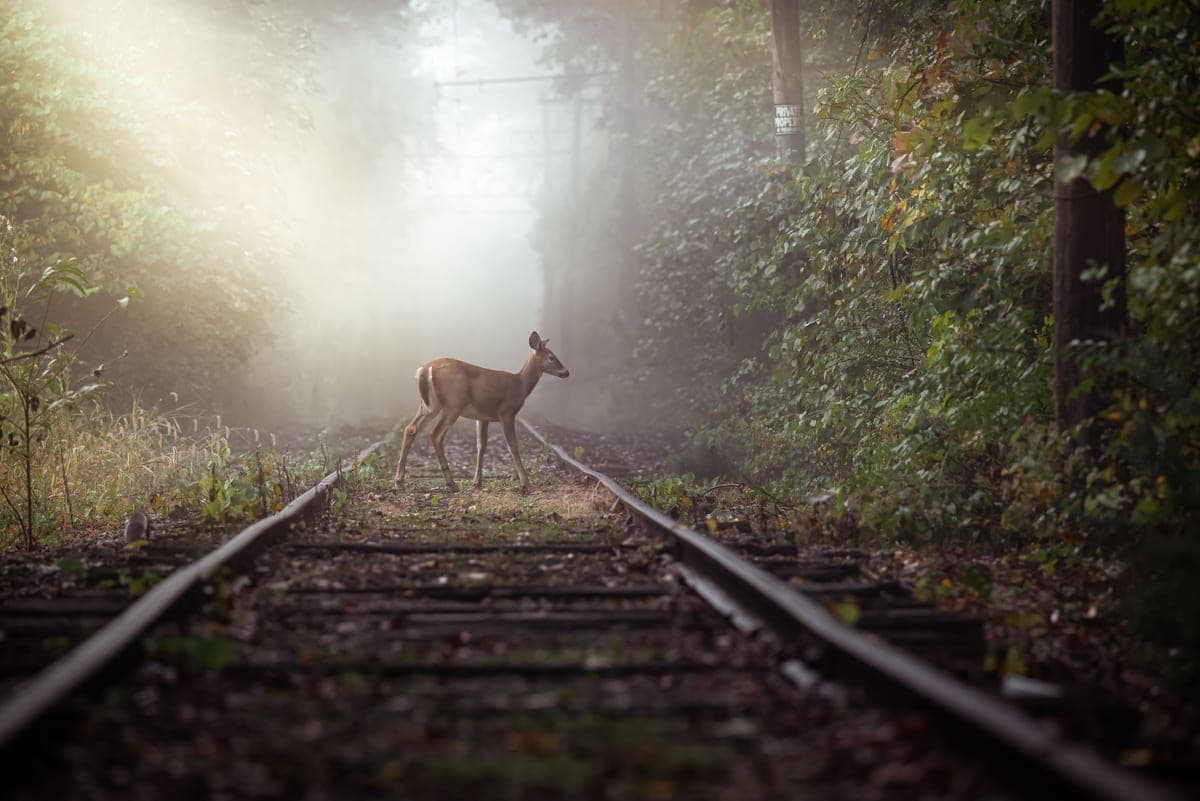
The easiest way to buy for a deer hunter is to stop thinking about "hunting gear" and start picturing their actual day. A deer hunter's season is not one thing — it's a freezing pre-dawn walk in the dark, hours of sitting dead still, a few electric minutes at first light, quiet off-season scouting, and then close, careful work with a knife. Each of those moments asks for something specific, and once you can see the day, the gifts practically sort themselves.
So let's walk through it. Below is a deer hunter's day from dark to dark, and at each step, the gear that makes it better — framed as things a non-hunter can buy with confidence.
Before dawn: the cold, quiet sit
Deer move most at the edges of the day, so a deer hunter is in their stand or blind well before sunrise, often in the coldest, stillest air of the whole trip. And here's the thing that surprises non-hunters: they are not moving. They're sitting motionless for hours so a deer never knows they're there. That combination — bitter cold plus total stillness — makes warmth the single most valued thing in a deer hunter's life. It is also the easiest lane to buy in.
A merino wool base layer, a warm beanie, heavy socks, a neck gaiter, and disposable hand warmers are all used by every cold-weather deer hunter alive. A padded seat cushion turns a frozen metal stand into something bearable for a five-hour sit. None of it is glamorous, but it is the stuff they are quietly grateful for at 6 a.m. in November — and much of it lives comfortably in the stocking-stuffer and under-$25 range, so warmth is a lane you can shop at any budget.
First light: reading the tree line
As the woods turn gray and then gold, the hunter starts picking apart the tree line for movement, an ear flick, or the horizontal line of a deer's back among all the vertical trees. This is where binoculars earn their keep. Good glass lets a hunter tell a shooter buck from a doe, or a stump from a bedded deer, without standing up and blowing their cover. Bright binoculars that gather light in that dim first hour are a gift a deer hunter reaches for on every single trip.
Optics feel intimidating to buy, but they don't have to be — our best hunting binoculars guideranks the value picks and explains, in plain language, why a lifetime warranty matters more than a spec sheet. It's a splurge-tier gift they'll use for years, and one most hunters won't buy for themselves.
The long hours: staying comfortable and alert
Between first light and the next flurry of movement, a deer hunter is often looking at hours of quiet waiting. Alertness fades fast when you're cold, hungry, and bored, so the small comforts matter more than they seem. This is the sweet spot for an insulated tumbler or thermos that keeps coffee genuinely hot into late morning — a gift a deer hunter uses every single sit and one that feels nicer than its price. Add a stash of shelf-stable snacks, a compact hand-muff, or a fingerless glove system that lets them stay warm without fumbling, and you've solved problems the hunter grumbles about but never quite gets around to fixing.
These comfort items share the trait that makes them such reliable gifts: a hunter is glad to have them, uses them constantly, and almost never buys the nice version for themselves. They also carry no sizing risk and don't depend on a gun, so they're about as safe as a gift gets.
The off-season: scouting the spot
A deer hunter's work doesn't start on opening day — it starts months earlier, learning where the deer travel, feed, and bed. The problem is that every trip into the woods to check leaves human scent and can push mature deer to move at night. A trail camera solves that: it watches a spot around the clock and lets the hunter scout from their phone or a memory card without spooking anything. For a deer hunter who doesn't already have one running, it's one of the most genuinely useful gifts on the list.
If that direction fits, see our best trail cameras guidefor simple, reliable picks at friendly prices. Just know that a hunter can never have too many — even one who owns cameras will happily take another for a new spot.
After the shot: the knife work
When a hunt is successful, the real work begins — and this is where the knife comes in. Field dressing is the careful, hands-on job of preparing the deer in the field, and every deer hunter needs a sharp, reliable blade to do it. This is why a knife is the safest deer- hunting gift there is: it's used on the most important moment of the hunt, a good one lasts a lifetime, and it's instantly recognizable as a real hunter's tool rather than a novelty.
A classic full-size fixed blade like the ones in our best hunting knives guideis a can't-miss choice. And here's an insider tip: the number-one complaint hunters have about their own gear is a dull edge, so a pocket sharpener paired with a knife — or given on its own — is a thoughtful, affordable gift that shows you thought past the obvious.
What actually makes a great deer-hunting gift
Put the whole day together and a simple rule falls out: buy the nicest version of something the hunter uses at one of these moments. Warmth for the cold sit, glass for first light, a camera for the scouting, a knife for the work after. Any of those is nearly impossible to get wrong because it maps to something a deer hunter does every season. The only things to be cautious with are boots and jackets, where fit matters — if you can't confirm a size, steer toward the knife, optics, or warmth accessories instead.
For a full, ready-made shortlist sorted by price, head to our gifts for deer hunters page, where every pick is something a deer hunter genuinely reaches for. If you have a firm number in mind, you can also browse hunting gifts under $50 to see how far a mid-range budget goes.
Calls are the one item on this list where buying the wrong version is easy, because "a deer call" is really four or five different sounds that each work in a different few weeks. Best deer calls sorts them by sound and season, and names the one that needs no skill at all.
Frequently asked questions
What does a deer hunter need the most?
Warmth and a good knife top the list. Deer hunters sit motionless for hours in the cold, so base layers, hand warmers, and a seat cushion are always welcome, and every hunter needs a sharp, reliable blade for field dressing after the shot.
What's the best gift for a deer hunter who already has gear?
Go for the comfort-and-quality upgrades they won't buy for themselves: nicer binoculars, an extra trail camera for a new spot, a keepsake-quality knife, or a good insulated tumbler. Consumables like scent and hand warmers are also foolproof because you can't buy a duplicate.
Do deer hunters really use binoculars?
Yes, constantly. In the dim first hour of light, binoculars let a hunter tell a buck from a doe and a deer from a stump without moving and giving themselves away. Bright, light-gathering glass is a gift a deer hunter uses on every trip.
Is a trail camera a good gift for a deer hunter?
It's one of the best. A trail camera lets a hunter scout a spot around the clock without walking in and leaving scent that spooks deer. Even a hunter who owns cameras will gladly take another for a new location.
What should I not buy a deer hunter?
Skip anything that has to match a specific firearm, such as ammunition, a scope, or a caliber-specific accessory, since those depend on the exact gun they own. Also be careful with sized items like boots and jackets unless you can confirm the fit.