Gear Guides
8x42 vs 10x42 Binoculars: Which for Hunting?
Same lens size, different zoom — and the single decision most binocular shoppers get stuck on. Here's what the numbers really mean and which pair fits which hunter.
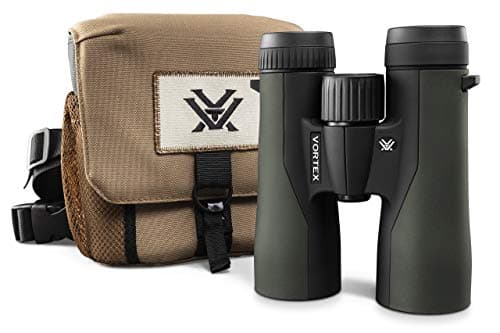
Shop for hunting binoculars and two labels show up again and again: 8x42 and 10x42. They're the same lens size with different zoom, they're both excellent, and choosing between them is the one decision that trips up almost every buyer. The good news: once someone explains the trade-off plainly, it's genuinely easy to pick.
This is a straight, jargon-free comparison. We'll decode the two numbers, lay the sizes side by side, explain where each one wins, and finish with a clear answer for the gift buyer who doesn't hunt. No optics degree required.
The short answer
Here's the one-line version: 10x42 gives more reach and 8x42 gives a wider, steadier, slightly brighter view. Pick 10x42for open country — fields, plains, mountains — or for a hunter who likes to reach way out. Pick 8x42for woods and brush, for newer users, or when you simply don't know where the person hunts and want the most forgiving, easy-to-use pair. Neither is a wrong answer; everything below is the detail behind that.
What the two numbers mean
The numbers aren't a model code — each one tells you something useful. The first number is the magnification: an 8x pair makes things look eight times closer than your naked eye, a 10x pair ten times closer. The second number is the objective lens size in millimeters— the diameter of the big lenses at the far end. Since both of these are 42, the lenses are the same size on each; the only difference between 8x42 and 10x42 is the zoom.
That 42mm lens matters because it controls how much light the binoculars gather, which decides how bright the view is in the dim light around dawn and dusk when hunters are most active. A 42mm objective is the popular sweet spot — bright when it counts, without being so large the binoculars turn into a heavy brick. So both of these pairs are "all-day, all-around" hunting sizes; the choice comes down purely to how much zoom you want and what you give up to get it.
8x42 vs. 10x42, side by side
Here's the head-to-head on the things that actually matter in the field.
| Spec | 8x42 | 10x42 | Best for |
|---|---|---|---|
| Magnification (reach) | 8x — things look eight times closer | 10x — ten times closer, more reach for far-off game | 10x for long looks; 8x when views are closer in |
| Field of view | Wider — easier to find and follow moving animals | Narrower — you see less of the scene at once | 8x for thick timber and scanning; 10x for open country |
| Low-light brightness | A touch brighter to the eye at the same lens size | Bright, but slightly dimmer than 8x | 8x edges it at dawn and dusk |
| Steadiness by hand | Easier to hold rock-steady; less visible shake | Shows more hand-shake; a rest helps at distance | 8x for new users; 10x if they can brace or rest |
| Best terrain | Woods, brush, close-to-medium range, all-day scanning | Fields, plains, mountains, long-range spotting | Match it to where they hunt |
Notice there's no loser in that table. Each column is a strength for the right person — the whole game is matching the zoom to how and where they hunt.
Where 8x42 wins
The 8x42's advantages all flow from its lower magnification, which sounds like a downside until you understand the trade-off. Less zoom means a wider field of view— you see more of the scene at once, which makes it far easier to spot an animal in the first place and to follow one that's moving. You're not hunting through a straw. Lower magnification also shows less hand-shake, so the image sits calmer and is easier on the eyes over a long day, and it lets in a hair more light for a slightly brighter low-light view. For woods, brush, and newer glassers, 8x42 is the easygoing, forgiving all-rounder.
What we like
- Wider field of view — easier to find and follow moving game
- Steadier image with less visible hand-shake
- Slightly brighter to the eye at dawn and dusk
- The forgiving, do-anything pick for woods and newer users
Worth knowing
- Less reach — far-off animals look smaller than through 10x
- Can feel underpowered for wide-open, long-range country
- Less of that impressive 'pulling it right in' effect
Where 10x42 wins
The 10x42 earns its place on reach. That extra magnification pulls distant animals noticeably closer, which is a real advantage in wide-open country — fields, plains, prairies, and mountains — where game is often spotted far off and studied before any move. Being able to tell a mature buck from a young one at long range, or to pick apart a distant hillside, is exactly where 10x shines. It also simply feels more impressive to look through, which counts for something in a gift.
The trade-offs are the mirror image of the 8x: a narrower field of view and more visible hand-shake, since higher magnification amplifies every tiny wobble. Neither is a dealbreaker — a hunter can steady 10x against a tree, a pack, or a knee when it matters, and a good bino harness helps too. For anyone who glasses long distances, the extra reach is well worth those trade-offs.
Which to buy as a gift
Putting it together, both are can't-miss hunting sizes, so here's the simple rule. If the person hunts open country— fields, plains, mountains — or you know they like to reach way out, go 10x42. If they hunt woods and brush, are newer to glassing, or you're just not sure, 8x42is the forgiving, steadier, wider-view choice. When you truly can't decide, a good 10x42 is our default recommendation for gift-givers: it covers the widest range of hunting and reads as the more serious "real optics" gift.
Two things matter more than the zoom, though. First, glass quality— a well-made 42mm pair from a respected optics brand beats a cheap one every time. Second, look for the word waterproof, because hunting happens in rain, snow, and fog. Want the whole category explained? Our how to choose hunting binoculars guide covers field of view, brightness, and more, and you can see how we form these calls on our how we choose page. A binocular is also a natural gift for a deer hunter, and a chest harness makes a great add-on from our hunting gifts under $50.
If there is a number on the budget as well as on the box, best hunting binoculars under $200 applies the 8x-versus-10x decision above to the price band most gift buyers are actually shopping in. It ranks both magnifications side by side, works the exit-pupil arithmetic that explains why an 8x42 looks brighter at dusk, and makes the case that in this bracket the warranty is a specification rather than a sales line — because the likeliest thing to happen to a $150 binocular is that it gets dropped.
Frequently asked questions
Is 8x42 or 10x42 better for hunting?
Both are excellent. 8x42 has a wider field of view and is steadier and slightly brighter, which suits woods, brush, and newer users. 10x42 offers more reach for open, long-range country. Match the zoom to where the person hunts.
What's the difference between 8x42 and 10x42 binoculars?
The lens size is identical — 42mm — so the only difference is magnification. 10x makes things look ten times closer for more reach, while 8x makes them eight times closer with a wider, steadier, slightly brighter view. It's a reach-versus-forgiveness trade-off.
Does 10x42 show more shake than 8x42?
Yes. Higher magnification amplifies every small hand movement, so 10x42 shows more visible shake than 8x42. It's easily managed by bracing against a tree, pack, or knee, but if the person wants the calmest handheld image, 8x42 is steadier.
Which is brighter, 8x42 or 10x42?
8x42 is slightly brighter to the eye because lower magnification spreads the same gathered light over a bigger exit beam. Both share a 42mm lens, so the difference is small, but 8x can edge it in the dim light of dawn and dusk.
What size binoculars should I buy as a gift for a hunter?
A 42mm pair from a respected optics brand is the can't-miss choice. Go 10x42 for open, long-range country or 8x42 for woods, brush, and newer users. If you're unsure, a good 10x42 covers the widest range of hunting and reads as a serious gift.