Gear Guides
Are Trail Cameras Worth It? (And As a Gift?)
A little camera on a tree that quietly scouts a spot day and night. Here's what it really does for a hunter, and why it's one of the best gifts you can give one.
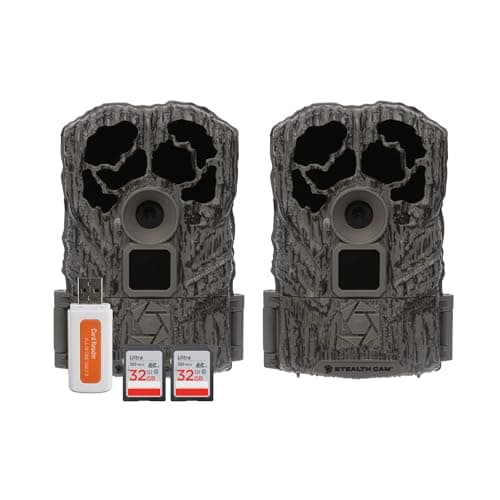
A trail camera is a small, weatherproof camera a hunter straps to a tree and leaves out for weeks. Whenever an animal walks past, a motion sensor triggers it and it takes a photo — day or night, thanks to an invisible infrared flash. So the hunter comes back to a gallery of exactly what moved through that spot, and when. If you're wondering whether one is worth it — for a hunter to own, or for you to give as a gift — the short answer is a confident yes, and here's why.
We'll cover what a trail camera actually does for a hunter, who gets the most out of one, the ongoing costs to watch for on the fancier models, and why it lands as such a thoughtful, well-received gift. No hunting experience required to follow along.
What a trail camera does for a hunter
Hunting is mostly a guessing game about where and whenanimals move. Deer, especially, are creatures of habit — they follow the same trails, feed in the same spots, and travel at certain hours. A trail camera answers those questions without the hunter having to sit there and watch. They call this scouting: learning a property so they can pick the right place to hunt at the right time.
The genius of it is that the camera scouts forthem, silently, around the clock, while they're at work or asleep. Over a few weeks it builds a picture: which trails get used, whether that big buck is nocturnal, when the movement peaks. And it does all this without a person tramping around leaving scent and noise, which is the very thing that makes wary game vanish. A camera lets a hunter learn a spot without disturbing it— that's the whole magic.
Who benefits most
Almost any hunter gets value from a trail camera, but some get more than others. Deer hunterstop the list — patterning a specific buck is exactly what cameras do best, and it's a huge part of the fun. Anyone who hunts the same land year after yearbenefits enormously, because the camera builds knowledge that compounds season over season. And honestly, plenty of people run cameras just for the joy of seeing what wanders through — deer, turkeys, foxes, the occasional bear — even outside of hunting season.
Here's the everyday difference a camera makes, side by side.
| Situation | Without a trail camera | With a trail camera |
|---|---|---|
| Learning a spot | Guesswork, plus time-consuming sits that may see nothing | A clear log of what moved through, and when |
| Disturbance to game | Walking in to scout leaves scent and can spook deer | The camera watches silently; less need to intrude |
| Finding a target buck | Hope you cross paths at the right moment | Photos reveal if he's around and when he moves |
| Time investment | Hours of in-person scouting to learn a little | The camera works 24/7 while they live their life |
| Off-season fun | Not much to look at until the hunt | A steady stream of wildlife photos year-round |
The takeaway: a camera turns guesswork into information, and it does it quietly. For a hunter who's serious about a particular piece of land, that's close to indispensable.
The catch: ongoing costs on cellular models
One honest caveat before you buy. Trail cameras come in two flavors. A standardcamera saves photos to a memory card the hunter walks in to collect — a one-time purchase with nothing more to pay. A cellular camera sends photos straight to their phone over a cell network, which is wonderfully convenient but requires a paid data plan or subscriptionto keep working. That's a recurring bill, not just a one-time gift.
Neither is wrong — but it matters when you're buying for someone else. A standard camera is the clean, no-strings gift: hand it over and it just works forever. A cellular camera is a premium upgrade that also commits the recipient to a subscription, so it's best saved for a hunter you know would happily pay for the convenience. We break the two down in full in our best trail cameras guide, and you can see how we weigh gear decisions on how we choose.
What we like
- Scouts a spot 24/7 without the hunter having to be there
- Learns where and when deer move — the heart of the sport
- Does it silently, so it doesn't spook wary game
- Fun year-round: a steady stream of wildlife photos
Worth knowing
- Cellular models carry a recurring data-plan bill
- Cellular only works where there's enough cell signal
- Standard models still need someone to walk in and pull the card
- It's a tool, not a guarantee — it informs the hunt, doesn't win it
Why it makes a great gift
A trail camera is one of the most reliably loved gifts you can give a deer hunter, and for good reason. It hits a sweet spot most presents miss: it's genuinely useful, it's a bit of a toy, and it keeps giving all year. There's a real thrill to checking a camera — it's a little like opening a present every single time, never knowing what walked by. Hunters who own one check it constantly; hunters who don't almost always want one.
It's also a wonderfully safe gift because it's hard to over- or under-do. A friendly, reliable standard camera in the under-$100range delights a first-timer, and a keen scouter is thrilled to add another to a growing network of cameras — there's no such thing as too many. You don't need to know their exact rifle or bow or boot size; you just need to know they hunt. That makes it a fantastic pick for a deer hunter, a great option for dad, and a clever answer for the hunter who already seems to own everything.
The verdict
So — are trail cameras worth it? For the hunter, yes: they turn guesswork into real knowledge of the land, quietly and around the clock, which is exactly what serious hunters crave. As a gift, they're even more of a slam dunk, because they combine usefulness with the pure fun of seeing what shows up. If you want the no-fuss version, gift a well-reviewed standard camera and you can't go wrong. If you want to splurge on a hardcore scouter, a cellular model is the dream upgrade — just remember the data plan.
If the honest version of "worth it" is about money rather than usefulness, the best trail camera for the money does the arithmetic properly — batteries, memory cards, a cable lock and, on a cellular model, the data plan that outlasts the camera's own price. It is the page to read before deciding whether the subscription is buying convenience or buying back the hunts you would otherwise ruin walking in.
Frequently asked questions
What does a trail camera actually do?
It's a weatherproof camera strapped to a tree that takes a photo whenever an animal triggers its motion sensor, day or night. It lets a hunter scout a spot — learning where and when deer move — around the clock, without being there to disturb the area.
Are trail cameras worth it for hunting?
For most hunters, yes. A camera turns guesswork into real information about a property, working silently 24/7 so the hunter learns a spot without spooking game. Deer hunters and anyone who hunts the same land year after year get the most out of one.
Do trail cameras cost money to run?
It depends on the type. A standard camera saves photos to a memory card with no ongoing cost. A cellular camera sends photos to a phone and needs a paid data plan or subscription to keep working, so it carries a recurring bill on top of the camera.
Is a trail camera a good gift for a deer hunter?
It's one of the best. It's useful, a little bit of a toy, and fun all year — checking it is like opening a present every time. You don't need to know their exact gear, just that they hunt, which makes it a safe, thoughtful pick for almost any deer hunter.
Can you have too many trail cameras?
Not really. Serious hunters run a network of cameras to cover multiple trails and food sources at once, so an extra camera is almost always welcome. That's part of why a trail camera is such a safe gift, even for someone who already owns one.