Gear Guides
Crossbow vs. Compound Bow: Which to Gift?
They look related, but they shoot and feel very different. Here's the honest, jargon-free difference — and why a bow is a gift to choose carefully.
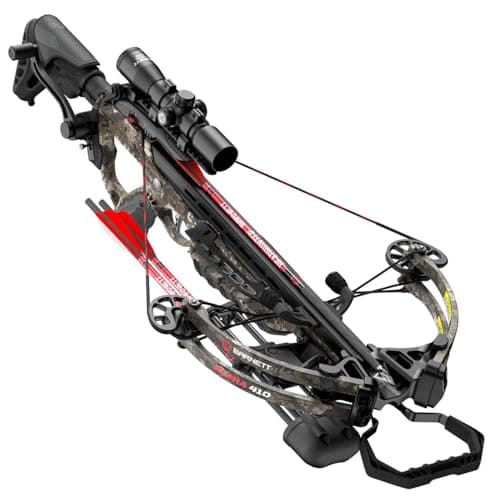
Both a crossbow and a compound bowlaunch an arrow using stored energy, and both are used to hunt deer and other game up close. But they're surprisingly different tools to shoot, learn, and live with — and if you're thinking of one as a gift, the differences matter a lot. This is a straight, jargon-free comparison to help you understand which is which, and who each one suits.
Quick heads-up before we start: a bow of either kind is a big-ticket, personal gift. Hunters tend to have strong preferences, and the laws about what you can hunt with vary by state and season. So the best move is usually to buy one only when you know the person genuinely wants it — more on that at the end.
The short answer
Here's the one-line version: a crossbow is the easier one to pick up and shoot, and a compound bow is the lighter, quieter, more hands-on choice for someone who wants to master the craft. A crossbow is held horizontally, like a rifle, and it holds itself cocked so the shooter just aims and pulls a trigger. A compound bow is held vertically and must be drawn back and held by the shooter's own muscle at the moment of the shot, which takes real practice. Everything below fills in that picture.
How they differ
The core difference is how the energy gets stored and released. A crossbowis cocked once — often with a crank or rope aid — and then it stayscocked, loaded and ready, until the trigger is pulled. That means no strength is needed to hold it at the moment of truth, and aiming is a lot like using a scoped rifle. The trade-offs: crossbows are heavier, bulkier, and louder, and they're typically a one-shot-then-recock affair.
A compound bowstores its energy only when the shooter physically draws it back, and they have to hold that draw — steady, at full tension — while they aim and release. A system of pulleys (the "cams") makes holding easier than an old-style bow, but it's still a skill that rewards regular practice. In return you get a weapon that's lighter to carry, quieter to shoot, and quicker for a practiced archer to fire again. Here's the head-to-head.
| Factor | Crossbow | Compound bow |
|---|---|---|
| How it's held | Horizontal, shouldered like a rifle | Vertical, drawn and aimed by hand |
| At the moment of the shot | Stays cocked; just aim and pull the trigger | Must draw and hold the string by muscle |
| Ease of learning | Faster to shoot accurately for a beginner | Steeper; rewards regular practice |
| Weight and bulk | Heavier and bulkier to carry and hold | Lighter and more compact in the hand |
| Noise | Louder on release | Generally quieter |
| Strength needed to hold aim | None — the mechanism holds the draw | Real, steady muscle at full draw |
| Best suited to | Beginners, kids, older or less mobile hunters | Those who want to build and own the skill |
There's no loser in that table — each column is a strength for the right person. The whole decision is about matching the weapon to who's going to shoot it.
Who each one suits
A crossbowshines for anyone who wants results without a long apprenticeship. It's the friendlier pick for a beginner who wants to hunt this season, a kid or younger teen getting started (with supervision), and older hunters or anyone with a shoulder injury or less upper-body strength, because nothing has to be held back at the moment of the shot. If someone loves rifle hunting and wants to try archery season without months of practice, a crossbow is the natural bridge.
A compound bow suits the person who wants the craftof archery — the challenge, the practice, the deep satisfaction of a skill earned over time. It also wins for hunters who value a lighter, quieter, more packable weapon they can carry all day and draw silently on an animal up close. Traditional-minded and purist archers often prefer the compound precisely because it demands more of them. If the person you're shopping for talks about archery as a discipline, that's a compound bow signal.
What we like
- Crossbow: easy to learn and shoot accurately, fast
- Crossbow: no strength needed to hold aim — great for kids and older hunters
- Compound: lighter, quieter, and more packable to carry all day
- Compound: rewards practice with a genuine, satisfying skill
Worth knowing
- Crossbow: heavier and bulkier, and louder on the shot
- Compound: steeper learning curve; needs regular practice to shoot well
- Both are big-ticket, personal gifts hunters have strong opinions about
- Legal seasons and rules for each vary by state — check before you buy
A word on gifting a bow
Both are wonderful gifts — but they're not the kind you buy on a hunch. A bow is a significant purchase, it needs to fit the shooter, and hunters often have a specific brand, draw weight, or model in mind. On top of that, what's legal varies by state and season: some places allow crossbows during archery season and some restrict them, and rules change. Before buying, it's worth a quick look at the person's state wildlife agency to be sure the gift fits how and when they hunt.
So the honest advice: gift a bow when you know they want one— ideally the type, and even the model, they've been eyeing. If you're not that sure, a great move is to give a thoughtful companiongift instead (a case, a target, quality arrows or bolts, or a gift toward the bow they're saving for) and let them choose the weapon itself. You can see how we approach these calls on how we choose, and browse the wider category in our gear guides.
The verdict: which to gift
If the person is new to archery, a young hunter, older, or short on time to practice, lean crossbow— it gets them shooting accurately fast and takes the strength and skill barrier off the table. If they want the craft of archery, value a light and quiet setup, or already talk like an archer, a compound bow is the more fitting gift. Above all, match it to the person — and when you can, confirm it's what they actually want before you buy something this personal.
Before you buy the crossbow itself, read how to choose a crossbow. It explains draw weight, speed and what a ready-to-hunt package should already include in plain English — and, importantly for a gift-buyer, it flags the legal point that crossbow rules vary by state and by season, which is the one detail that can make an otherwise perfect present unusable.
Frequently asked questions
What's the difference between a crossbow and a compound bow?
A crossbow is held horizontally like a rifle and stays cocked, so you just aim and pull a trigger. A compound bow is held vertically and must be drawn back and held by your own muscle as you aim. Crossbows are easier to learn but heavier; compound bows are lighter and quieter but need practice.
Which is easier for a beginner, a crossbow or a compound bow?
A crossbow. Because it holds itself cocked and aims much like a scoped rifle, a beginner can shoot accurately with far less practice. A compound bow demands real muscle to hold at full draw and a skill that takes regular practice to build.
Which is better for a kid or an older hunter?
A crossbow usually suits both. It needs no strength to hold aim at the moment of the shot, so a younger hunter (with supervision) or an older hunter — or anyone with a shoulder injury or less upper-body strength — can shoot it comfortably.
Why do some hunters prefer a compound bow?
For the craft. A compound bow is lighter, quieter, and more packable, and many archers love the challenge and satisfaction of a skill earned through practice. Traditional-minded and purist hunters often prefer it precisely because it demands more of them.
Is a bow a good gift to buy as a surprise?
Usually not fully. A bow is a big-ticket, personal purchase that needs to fit the shooter, and hunters often have a specific model in mind. Legal seasons also vary by state. It's best to buy one when you know what they want, or gift accessories and let them choose the bow.