Gear Guides
What Is a Gut Hook Knife? (And Is It a Good Gift?)
You've seen the little notched hook on some hunting knives and wondered what on earth it's for. Here's the plain answer — what a gut hook does, who it helps, and whether it belongs on a gift.
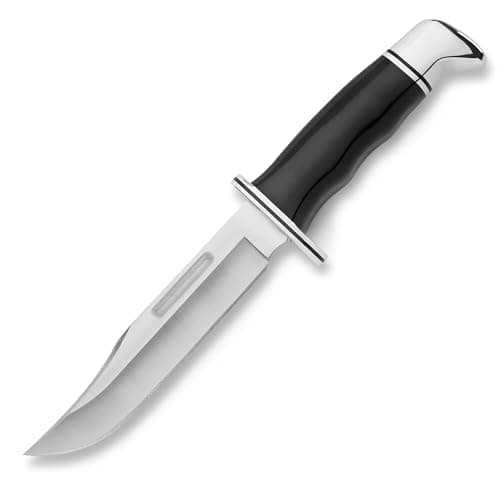
If you've shopped for a hunting knife, you've probably noticed that a few of them have a strange little detail: a small, curved hooknotched into the top edge of the blade, near the tip. It looks almost like a mistake, or a bottle opener that wandered onto the wrong tool. It's neither. That's a gut hook, and it does one specific job very well.
This guide explains — in plain terms, for someone who doesn't hunt — what a gut hook is, how it's used, who genuinely benefits from one, the single real downside to know about, and the bottom line: whether a gut-hook knife is a smart gift or a gimmick to skip.
The short answer
A gut hook is the small, sharpened hook on the spine of certain hunting knives, and its job is to open up an animal's belly without cutting into the organs underneath. It's a genuinely useful feature for a hunter who field dresses their own game — but it isn't essential, and it has one real trade-off, which is that the hook is fiddly to sharpen. As a gift, a gut hook is a nice-to-have, not a must-have: a solid plain-blade knife from a trusted brand is the safer, more universal choice, while a gut-hook model is a thoughtful pick if you know the person dresses their own deer. Everything below is the detail behind that.
What a gut hook actually does
To understand the hook, you have to picture the messy part of hunting that most gift buyers never see: field dressing, which is removing the internal organs from an animal soon after the harvest so the meat cools and stays good. The first step is opening the skin and belly wall along the animal's underside — and that's the tricky moment. If the blade dips too deep, it can nick the stomach or intestines, and that spills contents that can taint the meat and make the whole job smell far worse than it needs to.
The gut hook is designed to prevent exactly that. Instead of pushing a knife point through and slicing forward blindly, the hunter makes a small starting cut, then slips the hook under the skinand pulls. The rounded back of the hook rides against the organs and pushes them safely down and away, while the sharpened inside edge zips through the hide and belly wall like opening an envelope. Done right, it makes a clean, controlled opening without ever letting the tip dive into anything you don't want cut. That's the entire purpose — a guided, no-puncture zipper for the first cut.
Who actually benefits from one
A gut hook helps most for the hunter who does their own field dressing on medium and big game — think deer hunters, elk, and antelope. For those folks, the hook can make the opening cut faster, cleaner, and a little more foolproof, especially in cold hands or fading light. Hunters who process several animals a season, or who are newer and nervous about that first cut, tend to appreciate the built-in guardrail.
It matters far less — or not at all — for plenty of other hunters. Bird and small-game hunters have little use for it. Anglers, obviously, don't need one. And many experienced big-game hunters simply prefer the total control of a plain blade and never miss the hook. A gut hook is a nice specialty tool for a specific task, not a feature that makes a knife better across the board.
Gut hook vs. plain blade, side by side
Here's the honest head-to-head, in plain terms, so you can see where each one shines.
| Attribute | Gut-hook blade | Plain blade |
|---|---|---|
| Opening the belly | Purpose-built — hook guides the cut so the tip can't dive into the organs | Fully capable with good technique; the hunter controls depth by feel |
| Everyday versatility | The main blade still does normal cutting; the hook is extra | Does everything — skinning, slicing, camp chores, everyday tasks |
| Sharpening | Trickier — the small curved hook needs a special round file or tool | Easy — any standard stone, rod, or pull-through sharpener works |
| Best for | Hunters who field dress their own deer or big game | Almost anyone — the safe, do-it-all choice |
| As a gift | Thoughtful if you know they dress their own game | The safest, most universal 'real hunting knife' pick |
Notice neither one is a loser. A plain blade is the flexible all-rounder; a gut hook adds a specialized trick that a particular kind of hunter will genuinely use. The right answer is entirely about the person.
The one real downside: sharpening
Every honest guide has to name the catch, and for gut hooks it's sharpening. A normal blade is easy to keep keen — you run it over a flat stone, a sharpening rod, or a simple pull-through tool, and you're done. The gut hook's tight inner curve can't be reached that way. To sharpen it properly you need a small round file or a tapered sharpener made to fit inside the hook, and you have to work it carefully. Many casual owners never sharpen the hook at all, which is fine for occasional use but means it slowly goes dull. It's not a dealbreaker — just a real quirk worth knowing before you buy one for someone who likes their edges perfect.
What we like
- Makes the first field-dressing cut faster, cleaner, and harder to botch
- Rounded back guides organs away — less risk of tainting the meat
- The main blade still handles all normal cutting; the hook is a bonus
- A welcome guardrail for newer hunters or cold, low-light conditions
Worth knowing
- The curved hook is fiddly to sharpen — needs a special round file or tool
- Useless for bird, small-game, or fishing folks who don't field dress big game
- Some experienced hunters simply prefer the control of a plain blade
- One more feature to explain if the recipient has never used one
So, is it a good gift?
Here's the plain verdict. If you knowthe person field dresses their own deer or big game and would appreciate the feature, a quality gut-hook knife from a respected maker is a thoughtful, useful gift — it shows you understood their actual work. But if you're not sure how they hunt, or they mostly chase birds and small game, don't force it. A classic full-size plain-blade fixed knifeis the more universal, harder-to-get-wrong choice: it does everything, it's easy to keep sharp, and it's instantly recognizable as a real hunting knife.
A good middle path exists too. Some hunters carry a plain everyday knife anda dedicated gut-hook or replaceable-blade skinner for dressing days — so a gut-hook knife can be a great add-on gift under $50 alongside a knife they already love. If you want to weigh blade shapes, steel, and features like this across the whole category, our how to choose a hunting knife guide lays it all out, and our fixed vs. folding comparison covers the other big knife decision. You can see how we form these calls on our how we choose page.
Frequently asked questions
What is a gut hook on a knife?
A gut hook is the small, sharpened hook notched into the spine of some hunting knives, near the tip. It's used to open an animal's belly during field dressing without letting the blade cut into the organs underneath, which keeps the meat clean.
How do you use a gut hook?
The hunter makes a small starting cut, slips the hook under the hide, and pulls. The rounded back pushes the organs safely away while the sharpened inside edge slices the skin and belly wall open like a zipper, without the tip diving into anything below.
Do you really need a gut hook to field dress a deer?
No. A plain blade field dresses a deer perfectly well with good technique. A gut hook simply makes the first opening cut faster and harder to botch, which some hunters value — especially newer ones — while others prefer the control of a plain edge.
Are gut hooks hard to sharpen?
The tight inner curve of a gut hook can't be sharpened on a flat stone. You need a small round file or a tapered sharpener made to fit inside the hook. That extra fuss is the feature's one real downside, though the main blade still sharpens normally.
Is a gut-hook knife a good gift for a hunter?
It's a thoughtful gift if you know the person field dresses their own deer or big game. If you're unsure how they hunt, a classic plain-blade fixed knife is the safer, more universal choice — it does everything and is far easier to keep sharp.