Gear Guides
How to Choose a Hunting Backpack (A Gift-Buyer's Guide)
Packs are one of the few pieces of hunting gear with no sizing trap — but there is one number you have to get right. Here's how to pick the size, and what separates a hunting pack from the bag in their closet.
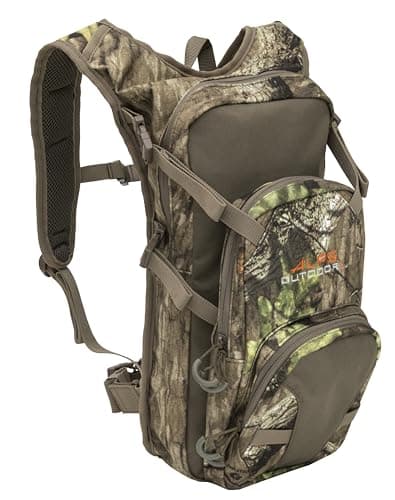
A hunting pack is one of the friendlier gifts on this site, because it has no shoe size and no draw length. You cannot get it wrong by half a number. But it does have one decision that matters more than everything else combined — capacity — and it's the one gift-buyers most often guess at, usually by picking whichever pack looked most impressive in the photograph.
This guide walks through the decision in plain English: what a hunting pack actually does differently from the bag already in their closet, how to read pack capacity and choose the right one, when a frame pack is worth it and when it's an expensive mistake, and the handful of features worth paying attention to. By the end you'll be able to pick confidently without knowing a thing about hunting. If you'd rather skip straight to specific packs, our best hunting backpacks roundup ranks the ones worth giving.
First: does a hunter really need a special pack?
Fair question, and the honest answer is that a hunter can hunt with any backpack. Plenty do. But four things separate a purpose-built hunting pack from an ordinary one, and none of them are visible in a photo, which is exactly why this gift lands well — the recipient notices the difference the first morning and would never have bought it themselves.
It's quiet. This is the one that surprises non-hunters most. A typical nylon daypack makes a swishing sound every time it brushes a branch or the wearer's arm passes across it, and in still pre-dawn air that carries far further than you'd think. Hunting packs use brushed or napped fabrics chosen specifically to stay quiet against brush and against themselves.
It carries weight on the hips. A proper padded hip belt transfers the load onto the pelvis instead of hanging it off the shoulders. Over a mile walk with fifteen pounds of gear, that's the difference between arriving ready to hunt and arriving already tired.
It carries a bow or rifle. Many hunting packs include a sling, scabbard or strap arrangement that holds a weapon against the pack. Hands free on a dark walk in matters for climbing, for using a light, and for not setting a rifle down in the mud.
The pockets fit hunting things. Somewhere for calls, a rangefinder pocket you can reach without taking the pack off, and a compartment for a wet muddy layer that isn't against the food. Small details, endlessly appreciated.
The main decision: what size?
Pack capacity is quoted in liters, and the number maps almost directly onto trip length. This is the decision — get it right and the pack gets used every season; get it wrong and it lives in a garage.
| Capacity | What it's for | Who to buy it for |
|---|---|---|
| 20–30 liters | Half a day: water, a snack, a knife, a spare layer, calls | Someone who hunts close to the truck, scouts on foot, or is brand new and still working out what they carry |
| 40–50 liters | A full day: the layer they shed at sunrise, real food, optics, gear, and room left over | Almost everyone. This is the safest gift size and the one most hunters settle on |
| 60+ liters, on a frame | Hauling: multi-day hunts, a backcountry camp, or meat coming off a mountain | Elk, mule deer and backcountry hunters only — genuinely awkward for anyone else |
If you take one thing from this guide: when in doubt, buy around 40 liters. A pack that's slightly too big is a non-problem — you simply don't fill it, and compression straps pull it down. A pack that's too small is useless on exactly the day it mattered, which is the day they shot something and needed to carry more out than they carried in.
Frame or frameless?
The second real decision, and the one where the impressive-looking option is usually wrong.
A frameless or soft pack is what most people picture: a bag with straps and a hip belt, sometimes with a light internal stiffener. It's lighter, it moves better through thick timber, and it's entirely adequate for carrying gear in and normal loads out. That's the overwhelming majority of hunting days.
A frame pack is built around a rigid structure — often external — specifically so it can carry heavy, dense, badly-shaped loads without collapsing. That means boned-out meat, a full camp, or a load lashed to the outside. It is genuinely the right tool for someone hunting elk in the mountains, and it is genuinely more awkward for someone slipping through brush to a treestand two hundred yards from the truck.
The test is simple: is this person going to carry an animal out on their back? If yes — western big game, backcountry hunts, public land miles from a road — a frame pack is a spectacular gift and probably something they've been putting off buying. Our gifts for elk hunters page is written for that crowd. If no, a well-chosen 40-liter soft pack is the better present by a wide margin.
Features worth caring about
A real hip belt. Not a thin webbing strap — a padded belt wide enough to sit on the hip bones. This is the single feature most responsible for whether a loaded pack is comfortable, and cheap packs skimp on it first.
Quiet fabric. Covered above, and worth repeating because it's invisible when shopping. If a product description mentions a brushed, napped or "silent" face fabric, that's a genuine hunting feature rather than marketing.
Weapon carry. A gun sling or bow holder is a real convenience for anyone walking any distance in the dark, and it's a feature ordinary packs simply don't have.
Hydration compatibility. A sleeve and a hose port for a water bladder, so drinking doesn't require stopping and taking the pack off. Most hunting packs have this; it's worth confirming.
External attachment. Straps, compression cords or a load shelf let a hunter lash on the things that don't fit inside — a tripod, a wet layer, a bulky decoy.
Camo or subdued color. Less important than the internet suggests for most hunting, but a bright orange pack is genuinely counterproductive for a bowhunter. When in doubt, pick something subdued.
What you can safely ignore
A few things get a lot of shelf space and shouldn't change your decision. Pocket count beyond a sensible number mostly adds weight and gives things more places to hide. Specific camo patterns matter far less than being generally subdued — deer see color differently from us, and pattern-matching to a particular landscape is largely a marketing exercise for a pack. And a very large capacity is not a feature in itself; it's a commitment to carrying a bigger, heavier bag on days when it's half empty.
Putting it together
Work through it in this order and you'll land right. First, decide frame or frameless by asking whether they carry animals out on foot — almost always frameless. Second, pick the capacity: 40 liters unless you have a specific reason to go smaller or larger. Third, check for a real padded hip belt and quiet fabric. Fourth, treat a weapon sling and hydration compatibility as welcome bonuses. Everything else is preference.
For specific packs at each of those sizes, our best hunting backpacks roundup has a pick for each with a live price. And if you decide the pack isn't the right gift after all, best hunting gadgets and tools covers the things that would have gone inside it.
If capacity is the part holding you up, what size hunting pack do I need lays the liter figures out by trip type, and what to pack in a hunting backpack covers what goes in it once the pack arrives. If the budget is set first, best hunting backpack under $100 ranks that bracket on its own and names the one job no pack in it can do.
Frequently asked questions
What size hunting backpack should I buy?
Around 40 liters is the safest choice and the size most hunters settle on — it holds a full day of gear, food and shed layers with room left over. Choose 20 to 30 liters for short sits and scouting, and 60 liters or more on a frame only for backcountry hunts or hunters who pack animals out on foot.
What makes a hunting backpack different from a regular backpack?
Quiet brushed fabric that doesn't swish against brush, a padded hip belt that carries the load on the hips rather than the shoulders, a sling or scabbard to carry a rifle or bow hands-free, and pockets sized for hunting gear like calls and a rangefinder.
Do I need a frame pack or a frameless one?
Frameless for almost everyone. A frame pack exists to carry heavy, dense loads like boned-out meat or a multi-day camp, and it does that far better — but it's bulkier and more awkward through timber. Buy a frame pack only if the person hunts the backcountry or packs animals out on their back.
Is a hunting backpack a safe gift if I don't know what they own?
Yes. Unlike boots or a bow, a pack has no sizing trap, and most hunters are still using a repurposed school or gym bag rather than something built for hunting. Even hunters who own a pack often lack a second size — a small day pack alongside a big one gets a lot of use.
What features are not worth paying extra for?
A very high pocket count, which mostly adds weight and hiding places; a specific camo pattern, since being generally subdued is what matters; and extra capacity for its own sake, which just means carrying a bigger bag on the days it's half empty.