Gear Guides
What to Pack in a Hunting Backpack
The list is shorter than most people expect and it almost never includes the thing they forgot. Here is what goes in a day pack, in the order it matters, and the four items hunters leave behind every single season.
The short version: a light, water, food, one spare layer, a sharp knife, game bags, a way to make fire, your tag and licence, and your phone. That list covers almost every day hunt, and the thing most hunters actually forget is a second light.
A hunting pack goes wrong in two directions. Underpacked, and a hunter comes home early because they are cold, hungry or out of light. Overpacked, and the pack is heavy enough that they do not go as far, do not stay as long, and start leaving it in the truck — which is the worse failure, because a pack in the truck helps nobody.
So the list below is organized by what each thing is for rather than by category, and it says plainly what to leave at home. If you are still choosing the pack itself, what size hunting pack do I need covers capacity and best hunting backpacks ranks the field.
The day-hunt list, by job
| What it is for | What goes in | Why it earns the weight |
|---|---|---|
| Seeing | Headlamp with a red mode, plus a second light | Both ends of the day are dark, and one light is a single point of failure |
| Staying out | Water, food, one spare insulating layer, a seat cushion | Most hunts end early because of cold, thirst or discomfort, not bad luck |
| The animal | Sharp knife, a sharpener or spare blades, game bags, gloves, zip ties for the tag | This is the part of the day with a time limit on it |
| Getting home | Phone, a power bank, fire source, basic first aid, a map or an offline map app | Cheap, light, and the only items here that matter on a bad day |
| Hunting better | Rangefinder or binoculars, a call, wind indicator, flagging tape | Optional - but the rangefinder earns its place faster than anything else |
| Legal | Licence, tags, and any required blaze orange | Non-negotiable, and the lightest items in the pack |
What to leave at home
Spare clothing you will not wear. One insulating layer you can put on at the stand is worth carrying. A second jacket is not.
A full-size sharpening system. A pocket sharpener belongs in the pack; a bench stone belongs on the bench.
Three calls when you use one. Calls are light, which is how four of them end up in the pack. Carry the one the hunter actually uses.
A cooler, a saw and a drag rope on a public-land scout. Recovery gear can live in the truck. The pack carries what is needed where you cannot get back to a vehicle.
More water than the hunt needs, when water is on the way out. Water is the heaviest thing in most packs. On a short sit near a truck, carrying two liters up the hill is a choice rather than a requirement.
How to pack it so it works
Heavy against the back, high and centered. Weight carried away from the spine pulls you backwards and makes a pack feel heavier than it is.
Reachable without taking the pack off: water, rangefinder, calls. Anything you need while sitting should be in a lid or hip pocket. A hunter who has to unpack to drink stops drinking.
The kill kit in one bag. Knife, sharpener, game bags, gloves and zip ties together in a single stuff sack. It is the difference between a calm job and emptying a pack in the dark.
Compression straps cinched. A part-full pack that is not compressed swings on every sidehill and rattles on the way in.
Nothing loose on the outside. Items strapped to the outside of a pack snag, rattle and get lost. If it matters, it goes inside.
Four items from the list above, all cheap, all commonly forgotten, with prices pulled live from Amazon.
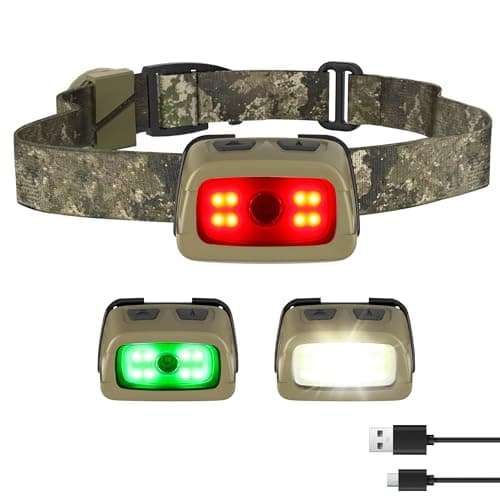
EverBrite Rechargeable Headlamp (Red/Green/White)
The first thing in the pack, and the one worth getting right. It has red, green and white modes, and red is the detail that matters for hunting - it lets a hunter see on the walk in without destroying their own dark adaptation or lighting up the field, and a great many cheap headlamps offer only white, brighter white and a strobe. Rechargeable, and cheap enough that buying two is reasonable - which is exactly what we would do, because the second light is the single most-forgotten item in hunting. Honest cons: an inexpensive light with a build to match; white output is modest next to premium lamps; and rechargeable-only means no fallback when it is flat, which is another argument for a second light that takes ordinary batteries.
#ad · Price as of October 5, 2026. We may earn a commission.
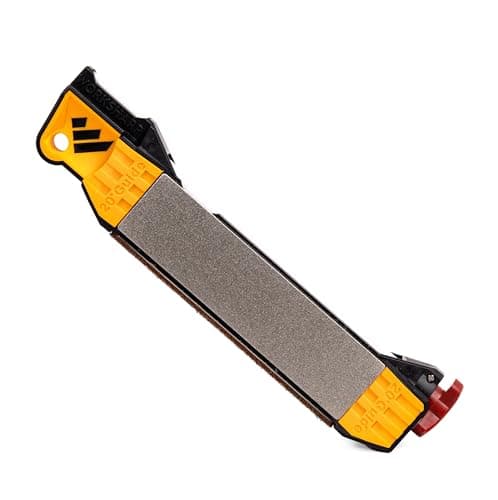
Work Sharp Guided Field Sharpener
The answer to a dull blade halfway through a field-dressing job, which is a far more common problem than a broken knife. It is a pocket-size guided sharpener, so it works without the skill a bench stone demands, and it pairs with any knife a hunter already owns rather than replacing it. Weighs almost nothing and lives in the kill kit permanently. Honest cons: a field sharpener restores a working edge rather than a bench-finished one; guided sharpeners are slower than a practiced hand on a stone; and it is one more small item to lose if it is not kept in a dedicated bag.
#ad · Price as of October 5, 2026. We may earn a commission.
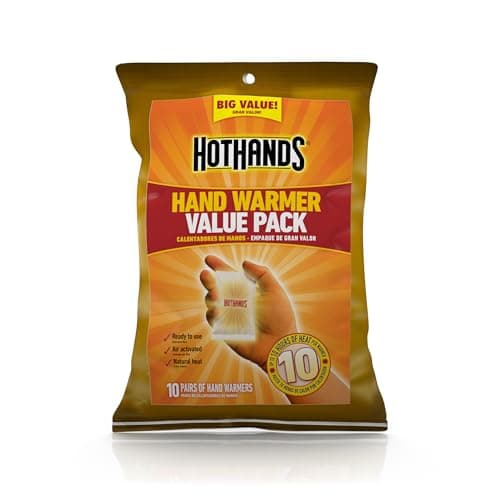
HotHands Hand Warmers (Value Pack)
Cheap, disposable, and used by every cold-weather hunter for a reason: the limiting factor on a long sit is usually hands, and a warmer in a pocket fixes it for pennies. Air-activated warmers need air, which is why they live loose in a pocket rather than sealed in a bag, and they take ten to twenty minutes to come up to temperature - so open them before the walk in, not when your fingers have already stopped working. A value pack means some always stay in the pack. Honest cons: single-use, so there is a running cost and waste; they need the ten-minute warm-up and cannot be switched off; and they should not go directly against skin.
#ad · Price as of October 5, 2026. We may earn a commission.
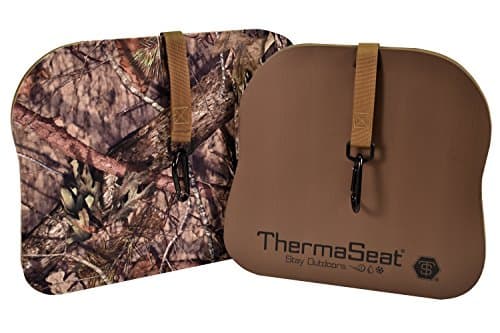
Therm-A-Seat Hunting Seat Cushion
The item hunters are least likely to carry and most likely to be glad of. A closed-cell foam cushion insulates you from a cold metal stand rail or a wet log, and the reason that matters is not comfort for its own sake - a hunter who is comfortable stays sitting still, and sitting still is the whole technique. It is light, it costs very little, and it straps to the outside of a pack where its bulk does not matter. Honest cons: it is bulky relative to its weight; foam compresses and eventually needs replacing; and it is the first thing people leave behind on a long walk in, which is usually a mistake.
How we chose these
We do not run a test lab. The product details above are the manufacturers' own published information, cited below, and the packing list itself is conventional practice offered as guidance rather than a tested protocol. Nothing here carries a rating, a score or an award from us. Our method is on the how we choose page, and prices are pulled live from Amazon and stamped with the date they were captured.
Keep browsing
If the pack itself is still the question, what size hunting pack do I need covers capacity and best hunting backpacks ranks the field. For the two items on this list most worth upgrading, see best hunting headlamps and best hunting knife sharpeners, and red or green light for hunting explains which mode to walk in on.
Frequently asked questions
What should I pack in a hunting backpack?
For a day hunt: a headlamp with a red mode plus a second light, water, food, one spare insulating layer, a sharp knife with a pocket sharpener, game bags, gloves, zip ties for the tag, a fire source, basic first aid, your phone and your licence and tags. Add a rangefinder or binoculars and a call if you use them. That list covers nearly every day hunt.
What do hunters forget to pack most often?
A second light. Batteries die and lamps get dropped, and the walk out happens in the dark either way. After that: a way to keep a blade sharp, game bags, and something to sit on - all of which are cheap, light and only missed at the exact moment they are needed.
What should I leave out of my hunting pack?
Spare clothing you will not actually put on, a full-size sharpening system, every call except the one you use, and recovery gear like a drag rope or a saw that can live in the truck. Water is the heaviest thing in most packs, so on a short sit close to a vehicle, carrying two liters up the hill is a choice rather than a requirement.
How should I organize a hunting backpack?
Heavy items against the back, high and centered, so the load does not pull you backwards. Anything you need while seated - water, rangefinder, calls - in a lid or hip pocket you can reach without taking the pack off. Keep the kill kit in one stuff sack, cinch the compression straps, and carry nothing loose on the outside.
What is a kill kit and what goes in it?
A single stuff sack holding everything needed once an animal is down: a sharp knife, a pocket sharpener or spare blades, breathable game bags, disposable gloves and zip ties for the tag. Keeping it as one bag rather than scattered through the pack is the difference between a calm job and emptying a pack in the dark.
Do I need a seat cushion in my hunting pack?
It is one of the highest-value items for its weight. A closed-cell foam cushion insulates you from a cold stand rail or a wet log, and a hunter who is comfortable keeps sitting still - which is the technique itself. It is also the item most often left behind on a long walk in, usually to the hunter's regret.
Sources
- Work Sharp - published product information for the Guided Field Sharpener
- HotHands - manufacturer FAQ: air-activated single-use warmers, 10-20 minutes to reach temperature, guidance against direct skin application
- EverBrite - published product information for the rechargeable red / green / white headlamp
- THERM-A-SEAT - published product information for the hunting seat cushion
- ALPS OutdoorZ - hunting pack range and published capacity specifications
- U.S. Fish & Wildlife Service - hunting overview; licence and tag requirements are set state by state