Gear Guides
How to Choose a Trail Camera (A Gift Buyer's Guide)
A trail camera lets a hunter watch a spot in the woods when they're not there. Here's how to pick a good one as a gift, without needing to understand a single spec sheet.
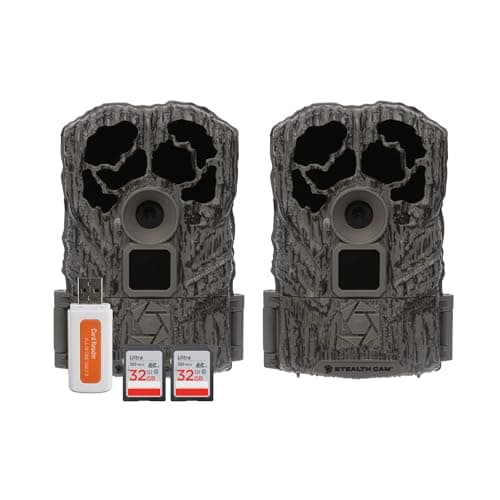
A trail camera is one of the most popular gifts you can give a deer hunter — and one of the easiest to get slightly wrong if you don't know what to look for. In plain terms, a trail camera is a weatherproof camera the hunter straps to a tree. It sits there day and night and snaps a photo whenever an animal walks by, so they can learn where and when the deer are moving without tramping through the woods and spooking them. It's a scouting tool, a little bit of magic, and honestly a lot of fun to check.
The trouble is that the boxes are covered in numbers and features that mean nothing to a non-hunter. This guide cuts through all of it. We'll walk through the handful of things that actually matter — cellular versus standard, detection range and trigger speed, photo and video quality, battery life, ease of setup, and the subscription cost hiding behind cellular cameras — so you can choose a great one with confidence. We don't run a test lab, so this is an honest buyer's explainer, not a lab review.
The first choice: cellular or standard
Before any spec, there's one fork that shapes everything else, including the price and how the camera gets used: cellular or standard. It sounds technical, but it's genuinely simple.
A standardtrail camera saves its photos to a memory card tucked inside. To see what it caught, the hunter walks out to the camera, pops the card, and looks at the photos on a phone or computer. It needs no signal and has no ongoing cost — buy it once and it's theirs forever. A cellulartrail camera has a little cell radio inside, like a phone, and sends its photos straight to an app on the hunter's phone from anywhere. They never have to visit it. The magic comes with a string attached, though: a cellular camera needs a paid data plan or subscriptionto keep sending photos, so it's an ongoing bill, not just a one-time gift.
| Cellular | Standard | |
|---|---|---|
| How they see photos | Sent to a phone app from anywhere | Walk in and pull the memory card |
| Ongoing cost | Needs a paid data plan or subscription | None — a one-time purchase |
| Up-front price | Higher (you're paying for the cellular hardware) | Lower — the friendliest way in |
| Disturbance to deer | Very little — no need to visit and leave scent | More — every card check means walking the spot |
| Where it works | Only where there's enough cell signal | Anywhere, including remote no-signal land |
| Best gift for | A serious, tech-comfortable hunter who scouts hard | A first camera, a budget, or off-grid land |
As a rule of thumb: a standard camera is the safe, no-strings gift and a perfect first camera, while a cellular camerais the premium upgrade for a keen scouter who won't mind the plan. We go deep on this exact decision in our cellular vs. standard trail cameras comparison — if you only read one other page, make it that one.
Detection range and trigger speed
These two are the difference between a camera that catches the deer and one that catches an empty photo of where the deer just was. They sound technical; they're not.
Detection rangeis how far away the camera can sense an animal and wake up to take a photo — a longer range means it can watch a wider field or a distant trail. Trigger speedis how quickly it snaps the picture once it senses movement. A fast trigger is what catches a deer walking through the frame instead of just its tail disappearing off the edge. For a hunter watching an open field or a well-used trail, a decent detection range and a quick trigger genuinely matter. The good news is that most modern cameras, including budget-friendly ones, are perfectly capable here — you don't need to chase the absolute top numbers to give a camera that works well.
Photo quality, video and night shots
You'll see cameras shout about huge megapixelnumbers. Take them with a pinch of salt: past a reasonable point, a bigger megapixel figure doesn't automatically mean a better picture, and manufacturers love to inflate it. What actually matters is that the daytime photos are clear enough to tell one buck from another, and that the night photosare usable — because a lot of deer move at dawn, dusk, and after dark.
Nearly every trail camera takes night shots using invisible infrared, which lights the scene without a bright flash that could spook a wary deer. Crisp, bright nighttime images are a genuine mark of a good camera. Many models also shoot short videoclips, which are fun and can reveal how an animal is behaving, though video eats through batteries and card space faster than photos. For a gift, don't over-index on megapixels — a camera from a trusted brand with clear day and night images is what you're really after.
Battery life and ease of setup
Here's a feature a hunter will thank you for even if they never mention it: battery life. A trail camera might sit on a tree for weeks or months between visits, so one that sips power and runs a long time on a set of batteries means fewer trips into the woods (and fewer chances to spook deer). Most cameras run on standard AA batteries, which are cheap and easy to find — tucking a fresh pack in with the gift is a thoughtful touch, since a camera with dead batteries on Christmas morning is a letdown.
Ease of setupis the other quietly important thing, especially if you're giving this to someone who isn't particularly techy or is getting their first camera. A simple, well-labeled menu — or, for cellular models, an app that walks them through it — makes the difference between a gift that's hanging on a tree by opening week and one that sits in a drawer because it felt fiddly. Low-fuss, set-and-forget cameras are a great pick for beginners and for anyone who just wants it to work. Once they have the camera, our are trail cameras worth it guide is a nice companion read on getting real value from it.
Matching the camera to the hunter
Put it all together and choosing is easy. For a first camera, a budget, or remote land with no signal, a simple, reliable standard camera is the can't-miss gift — the Stealth Cam Browtine is exactly this kind of straightforward, dependable scouting camera at a friendly price. If you want something especially low-fuss for a beginner, an easy set-and-forget model like the Moultrie A900 is designed to be simple, with crisp night photos and very little to fiddle with. And if you're treating a serious, tech-comfortable scouterwho'd love photos on their phone — and won't mind the data plan — a cellular camera like the Tactacam Reveal X is the standout upgrade.
Whichever way you lean, buy from a brand hunters actually trust, tuck in a set of batteries and a memory card, and you've given a gift they'll put to work the same week. To see how these models stack up ranked side by side with live prices, head to our best trail cameras guide.
Frequently asked questions
What's the most important thing when choosing a trail camera?
The first decision is cellular versus standard. A standard camera saves photos to a card you walk in to collect, with no ongoing cost — great as a first camera or on a budget. A cellular camera sends photos to a phone but needs a paid data plan. Everything else follows from that choice.
Do cellular trail cameras really need a subscription?
Almost always, yes. A cellular camera uses a paid data plan or subscription to send photos over the cell network, usually billed monthly or yearly. Without an active plan it won't send anything — so it's an ongoing cost on top of the camera itself.
Do more megapixels mean a better trail camera?
Not necessarily. Past a reasonable point, a bigger megapixel number doesn't automatically mean a better picture, and it's often inflated in marketing. What matters more is clear day and night images and a fast trigger speed that catches the animal in frame.
What is a good trail camera for a beginner?
A simple, reliable standard camera is ideal for a first-timer — it works anywhere, has no subscription, and is inexpensive. Look for an easy, set-and-forget menu and good night photos, and tuck in fresh AA batteries and a memory card so it's ready to hang right away.
How long do trail camera batteries last?
It varies by model and settings, but a good camera can run for weeks or months on a set of AA batteries, especially if it takes photos rather than lots of video. Longer battery life means fewer trips into the woods, which also means less chance of spooking deer.