Gear Guides
How to Wash Hunting Clothes
Ordinary laundry detergent is built to make clothes smell like something. That is the entire problem - and it is also why the fix costs almost nothing.
Short answer: wash hunting clothes separately from household laundry, in an unscented wash with no fabric softener and no dryer sheets, line dry them outside or in a garage, and store them sealed with something from the woods rather than in a closet with the towels. The cheap household version is a scoop of baking soda in place of detergent.
Here is the mechanism, and it is worth understanding because it tells you which steps matter and which are marketing. A deer's nose is extraordinary and it is tuned to notice things that do not belong in the woods. Ordinary laundry detergent is engineered to do two things that work directly against that: it perfumes fabric so it smells "clean" to a human, and most formulations include optical brighteners — fluorescent compounds that absorb ultraviolet light and re-emit it as visible blue so whites look whiter. Deer see short wavelengths considerably better than humans do, which is the published basis for the long-standing advice to avoid brighteners on camouflage.
So the hunter's laundry problem is not dirt. It is everything a normal wash adds. Remove the additions and most of the job is done — which is why the honest version of this page is much less complicated, and much cheaper, than the shelf of specialist products suggests.
The method, start to finish
1. Strip the machine first. Run an empty hot cycle, or at minimum wipe the drum and dispenser. A washer that has just done a load with scented detergent and softener will put some of that straight onto your camo. This step is skipped constantly and it undoes everything after it.
2. Wash hunting clothes on their own. No mixing with household laundry, and nothing scented in the same load.
3. Use an unscented, brightener-free wash — or baking soda.A scent-free sportsman's detergent is the purpose-built option; half a cup to a cup of baking soda in place of detergent is the household one, and it is what a lot of hunters actually use. Baking soda is mildly alkaline and odour-absorbing rather than perfuming, which is exactly the property you want.
4. No fabric softener, no dryer sheets, ever. Softener coats fibres, which both adds fragrance and ruins the wicking of a technical base layer. Dryer sheets are fragrance delivery devices. Neither belongs anywhere near hunting clothing.
5. Line dry, outdoors or in a garage. A dryer picks up residue from every scented load before it and heat sets fragrance into fabric. Outside air is the better dryer and it costs nothing.
6. Store them sealed, not in the house. A tote or bag in the garage, not a closet that smells of the house. Tossing in a handful of leaves, pine needles or dirt from the area you hunt is a free, old habit that works on the same logic as everything above.
7. Dress at the truck where you can. The outer layers that live in the tote pick up the kitchen, the dog and the gas station the moment they are worn indoors.
What to do, by garment
| Garment | Wash | Dry | Watch out for |
|---|---|---|---|
| Merino base layers | Cold, gentle, unscented; no softener | Flat or hung; never hot | Hot water and agitation shrink wool |
| Synthetic base layers | Cold, unscented; baking soda helps odour | Line dry | Softener destroys wicking permanently |
| Fleece mid-layers | Cold, unscented | Line dry; low heat at most | High heat mats the pile |
| Waterproof shells | Rinse or gentle unscented wash | Line dry, then follow the maker's reproofing advice | Detergent residue kills water repellency |
| Insulated jackets and bibs | As the care label says - often less often than you think | Line dry fully | Repeated washing flattens insulation |
| Wool socks | Cold, unscented, with the base layers | Flat or hung | The dryer is what shortens their life |
One general rule across that table: wash hunting outerwear less often than you think, and base layers more often than you think. Odour comes from the layer against the skin, insulation degrades with washing, and a hunter who washes a parka every weekend is wearing out the thing that keeps them warm to solve a problem that lives in their shirt.
The fabric choice that beats the wash
If you want to reduce odour on a multi-day hunt, the highest-leverage decision is not the detergent. It is what is against the skin. Merino wool resists odour build-up between washes markedly better than synthetics do — a published, uncontroversial property of wool, and the reason merino base layers and merino socks get worn several days running by people who notice.
Those two garments — the base layer and the sock — are where the smell actually originates, which is why they are the only two product picks on this page. Prices are pulled live from Amazon.
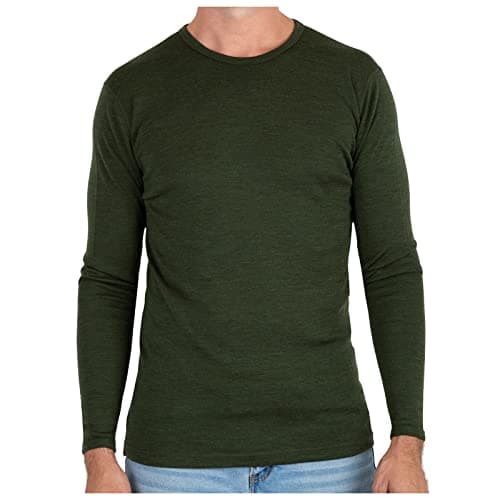
MERIWOOL Merino Wool Base Layer Top
The single most useful change a hunter can make to their odour routine, and it is a garment rather than a product. Merino wool resists odour build-up between washes far better than polyester does, which is why a merino base layer can be worn several days of a hunt and a synthetic one cannot. MERIWOOL publishes it as a midweight merino crew - the right weight for deer season, and the layer that also solves the sweat-on-the-walk-in problem that makes a cold sit cold. It needs a gentle, cool, unscented wash rather than a hot one, which fits the routine on this page exactly. Honest cons: merino costs several times a synthetic equivalent; it wears through at friction points sooner than polyester; and it is genuinely less durable in a washing machine, so it asks for the care described above rather than tolerating neglect.
#ad · Price as of October 10, 2026. We may earn a commission.
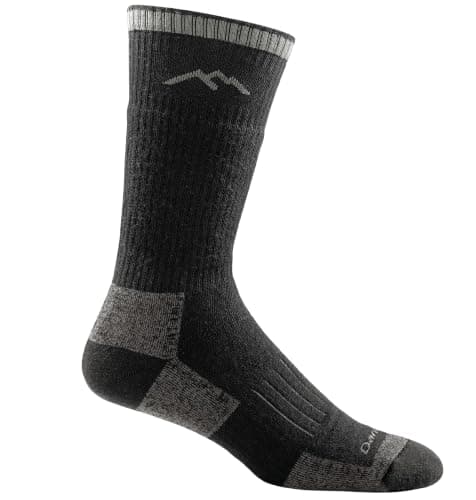
Darn Tough Hunting Boot Sock (2012)
The second-worst offender in a hunter's laundry, and the one nobody thinks about. Feet spend hours sealed inside a waterproof boot, which is close to an ideal environment for odour, and a cotton or cheap synthetic sock makes it worse. Darn Tough builds its hunting boot sock in merino with a dense knit and a cushioned footbed, so it gets the same odour resistance as the base layer plus the fit and friction benefits that matter in a boot. The lifetime guarantee is published rather than something we have tested, and it is why these get bought once. Honest cons: among the most expensive socks sold; too much sock for a boot that is already packed tight, which is its own cold-feet problem; and the dryer is what kills merino socks, so they need line drying along with everything else here.
#ad · Price as of October 10, 2026. We may earn a commission.
Does scent-control laundry actually work?
Honestly: the removal half is well-founded and the elimination half is not. Taking perfume, softener and optical brighteners off your clothing is a real, measurable change to what you are carrying into the woods, and it costs almost nothing. Claims that a wash renders a hunter undetectable to a deer's nose go considerably further than the evidence, and we are not going to repeat them.
The ordering that reflects that honestly:
1. Hunt the wind. Nothing else on this list is close. A hunter downwind of the trail is doing more for themselves than any product can.
2. Keep the house off your clothes. Separate wash, unscented, line dry, sealed storage, dress at the truck. This is the part you fully control.
3. Choose fabrics that do not build odour. Merino next to the skin.
4. Then, if you like, specialist sprays and detergents. They do no harm and some hunters are confident in them. Just know they are step four, not step one.
The baking soda method, concretely
| Step | What to use | Why |
|---|---|---|
| Clean the machine | Empty hot cycle, or wipe drum and dispenser | Removes residue from the last scented load |
| Wash | Half to one cup baking soda, no detergent | Absorbs odour instead of adding perfume; no brighteners |
| Extra rinse | A second rinse cycle | Leaves less residue in the fabric |
| Softener | None, ever | Coats fibres, adds fragrance, ruins wicking |
| Dry | Line, outdoors or garage | Dryers carry residue and heat sets fragrance |
| Store | Sealed tote with local leaves or dirt | Keeps house smell out between hunts |
Two cautions on the household route. Baking soda is not a stain remover, so genuinely dirty clothing may need a scent-free sportsman's detergent rather than soda alone. And always read the care label on technical or waterproof garments — a membrane shell or an insulated jacket has washing instructions from its maker that override general advice, including whether it should be reproofed afterwards.
Does any of this matter for a gift buyer?
One practical way, yes: do not wash or wrap hunting clothing in anything scented. A gift of camo that arrives smelling of fabric softener or a perfumed gift bag has to be re-laundered before it can be hunted in, which is a small, avoidable annoyance. Plain packaging and an unscented box is the thoughtful detail here.
And if you are choosing between gifts, this page is the argument for a merino base layer over another jacket. It is the layer hunters rarely buy themselves, it is the one that actually governs odour and comfort, and it is nearly impossible to get wrong on sizing compared with boots or outerwear. Best gifts to keep a hunter warm covers that category, and hunting gifts under $100 is the bracket both picks on this page sit in.
How we chose these
Two picks is fewer than most pages here, and that is deliberate rather than an oversight: our product registry holds no scent-control detergent, spray or storage bag, and we do not add products to fill a slot. So this page recommends the two garments that genuinely change the outcome and tells you to buy the detergent wherever you like.
We do not run a test lab and we have not measured an odour. The detergent and brightener points reflect published detergent chemistry and published work on deer colour vision — deer are dichromats with comparatively strong short-wavelength sensitivity — and the garment details are the manufacturers' own published product information, cited below. Nothing here carries a score or an award from us. Our method is on the how we choose page, and prices come live from Amazon with the capture date beside them.
Keep browsing
Merino vs synthetic base layers is the full version of the fabric argument above. Best camo hunting clothes covers what to buy, what to wear deer hunting covers how to wear it, and best hunting socks ranks the other garment on this page.
Frequently asked questions
How do you wash hunting clothes scent free?
Run an empty cycle to clear the machine, wash hunting clothes on their own with an unscented, brightener-free wash or half to one cup of baking soda in place of detergent, add an extra rinse, skip fabric softener and dryer sheets entirely, line dry outside or in a garage, and store them sealed in a tote rather than in a house closet.
Can you wash hunting clothes with regular detergent?
You can, and it works against you. Ordinary detergent is formulated to perfume fabric, and most formulations contain optical brighteners - fluorescent compounds that re-emit ultraviolet light as visible blue. Deer see short wavelengths considerably better than humans do, which is the long-standing basis for keeping brighteners off camouflage.
Does washing hunting clothes with baking soda work?
It is a reasonable household substitute, and plenty of hunters use it. Baking soda is mildly alkaline and absorbs odour rather than adding perfume, and it contains no brighteners or fragrance. It is not a stain remover though, so genuinely dirty clothing may need a scent-free sportsman's detergent instead.
Can I put hunting clothes in the dryer?
Better not to. A dryer carries residue from every scented load that went through it, and heat sets fragrance into fabric. Line drying outdoors or in a garage avoids both, costs nothing, and is also kinder to merino and fleece. If you must use a dryer, use no heat and no dryer sheet.
How should I store hunting clothes between hunts?
Sealed, and not in the house. A tote or bag kept in a garage keeps household smells out, and tossing in leaves, pine needles or dirt from the area you hunt is a free habit that works on the same logic as the rest of the routine. Where you can, dress at the truck so outer layers never go indoors.
How often should I wash hunting clothes?
Base layers and socks often - they are where odour originates. Insulated jackets and bibs much less often, because repeated washing flattens insulation and degrades water repellency. Follow the care label on anything technical or waterproof; those instructions override general advice, including whether the garment needs reproofing afterwards.
Sources
- MERIWOOL - published product information for the midweight merino wool base layer top
- Darn Tough - published product information for the merino hunting boot sock (knit, cushioned footbed, lifetime guarantee)
- American Cleaning Institute - published explanation of laundry detergent ingredients, including optical brighteners and fragrance
- University of Georgia Deer Research - published work on deer colour vision (dichromatic, comparatively strong short-wavelength sensitivity)