Gear Guides
Merino vs. Synthetic Base Layers: Which to Gift
The base layer is the most useful warmth gift you can give a hunter — but wool or synthetic? Here's the honest, jargon-free difference, and a clear answer on which makes the better present.
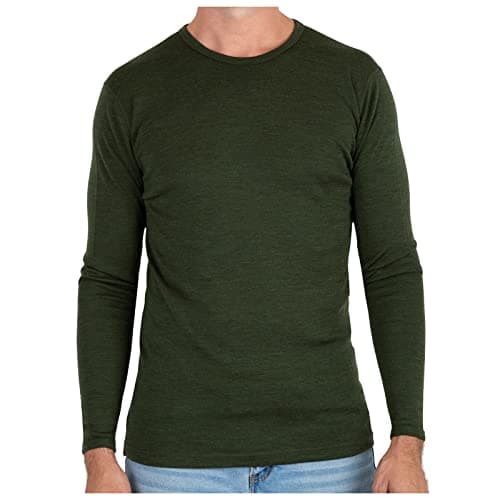
A base layer — the thin layer worn right against the skin — is the foundation of keeping a hunter warm, and it's one of the most useful gifts you can give someone who sits out in the cold. But the moment you start shopping, you hit a fork in the road: the material is either merino wool or synthetic (usually polyester). Both are good. They just trade strengths, and for a gift it helps to know which way to lean.
This is a straight, no-jargon comparison — warmth, odor, moisture, durability, price, and which one plays it safest as a gift — ending with a plain verdict you can act on without knowing a thing about hunting.
MERIWOOL Merino Wool Base Layer Top
The merino option on this comparison, and the one we point most gift-givers toward. Wool keeps a hunter warm on a still, cold sit, resists odor over multi-day trips, and simply feels nicer than most people buy for themselves — which is exactly what you want in a gift. Just check the men's/women's cut and size before you order.
#ad · Price as of October 24, 2026. We may earn a commission.
The short answer
If you want the one-line version: merino wool is the more giftable base layer, and synthetic is the value-and-durability pick. Merino is natural wool spun fine enough that it doesn't itch; it's warm, it fights odor remarkably well, and it feels like a small luxury. Synthetic is man-made fiber that dries fast, shrugs off abuse, and costs less. Neither is wrong. The rest of this page is just the detail behind that sentence, so you can match the layer to the hunter you have in mind.
How they compare
Here's the head-to-head, attribute by attribute, in plain terms.
| Attribute | Merino wool | Synthetic |
|---|---|---|
| Warmth | Excellent — stays warm on still, cold sits, and keeps insulating even if it gets a little damp | Very good and warm for the weight, but loses more of its edge once it's wet |
| Odor control | Its standout trait — naturally resists smell, so it can be worn for days without stinking | Holds odor faster; the material can start to smell after a hard day or two |
| Moisture / dry time | Manages sweat well and feels dry against the skin, but is slower to fully dry out | Wicks and dries fast — the quicker choice if it gets soaked or washed on a trip |
| Durability | Softer fiber; a quality piece lasts for years but is a bit more delicate to snags | Tougher and more abrasion-resistant — takes rough use in stride |
| Price | Costs more — you're paying for the natural fiber and the feel | Easier on the wallet, and the better value if budget is the deciding factor |
| As a gift | The nicer-feeling, 'they wouldn't buy it themselves' present | A practical, hard-wearing gift, especially for someone rough on gear |
Notice there's no loser in that table. Each column is a strength for the right person — the whole game is matching the material to how the hunter uses it and what you want the gift to feel like.
Where merino wins
Merino's advantages all point at the same thing: comfort and the little details a hunter appreciates but rarely splurges on. It's warm on a long, still sit, and it keeps working even if it picks up a bit of sweat or damp, which matters when someone is sitting motionless for hours. Its headline trick is odor resistance — wool naturally fights the bacteria that make clothes smell, so a hunter can wear it several days on a back-country trip without it turning rank. For scent-sensitive hunting that's a genuine bonus, and for everyday use it just means fewer washes. Add in the soft, next-to-skin feel and you get the classic "nicer than I'd buy for myself" quality that makes a gift land.
What we like
- Warm on still, cold sits — and keeps insulating even when slightly damp
- Naturally odor-resistant, so it can be worn for days between washes
- Soft, non-itchy, next-to-skin feel that reads as a treat
- The 'they wouldn't buy it themselves' factor that makes a great gift
Worth knowing
- Costs more than a comparable synthetic
- Slower to fully dry out after a soaking or a wash
- The soft fiber is a little more delicate to snags and rough abuse
Where synthetic wins
Synthetic base layers earn their place on value and toughness. The man-made fibers dry fast, so if a layer gets soaked in a downpour or needs washing mid-trip, it's ready to go again quickly. They're also more abrasion-resistant, which suits a hunter who's hard on gear or crashing through brush. And they simply cost less, so if the budget is the deciding factor — or you want to give a couple of layers instead of one — synthetic stretches the dollar further. The trade-offs are the mirror image of merino: synthetics hold odor faster and can start to smell after a hard day, and they don't have quite the same warm-when-damp feel. For a lot of hunters, most of the time, neither is a dealbreaker.
There's also the matter of who you're buying for. If it's someone brand new to hunting, or a kid growing fast, or a person you know is tough on clothes, a durable synthetic is the sensible, no-guilt gift. If it's someone who'll notice and savor the quality — the person who already has the basics and is hard to shop for — merino is the one that feels special.
The verdict: which to gift
If you're unsure, gift merino. It's the choice that feels like a present rather than a supply run — warm, odor-fighting, and soft in a way a hunter appreciates every time they pull it on. That's why the warmth gift guide leads with a merino base layer as its top pick.
Choose synthetic ifbudget is the deciding factor, the recipient is genuinely rough on gear, or you want to give more than one layer. In that case synthetic isn't a compromise — it's the smarter-fitting gift. Whichever material you pick, buy the right cut and size: base layers are meant to fit close, and they come in men's and women's versions. If you're shopping for a woman who hunts, our hunting gifts for womenguide points you to the right cuts, and if you're buying for a stand-hunter, warm layers are a slam-dunk in our gifts for deer hunters lineup.
There is one hunt where this comparison stops being a preference and becomes a rule. What to wear duck huntingcovers waterfowl, where you get wet on purpose, exert hard getting to the blind and then sit still in the dampest air available for hours — so either fabric above is fine and cotton is the one genuine mistake, because there is no way to dry anything out once you are sitting down.
Frequently asked questions
Is merino wool or synthetic better for a hunting base layer?
Neither is universally better — they trade strengths. Merino is warmer-feeling, resists odor, and is soft against the skin, which makes it the nicer gift. Synthetic dries faster, is tougher, and costs less. For a present, merino usually wins; for value and durability, synthetic is the smart pick.
Why is merino wool so good at fighting odor?
Wool naturally resists the bacteria that cause clothing to smell, so a merino layer can be worn several days in a row without turning rank. That's a real advantage for multi-day and scent-conscious hunting, and for everyday use it simply means fewer washes.
Does a base layer make a good gift for a hunter?
Yes — it's one of the most useful warmth gifts because it's the foundation of a warm setup and something hunters rarely buy enough of. A merino top in particular has that 'nicer than I'd buy myself' quality. Just check the men's or women's cut and the size, since it needs to fit close.
What size base layer should I buy as a gift?
Base layers are meant to fit snugly against the skin, so buy the recipient's normal shirt size in the correct men's or women's cut rather than sizing up. If you're unsure, quietly check a size or include a gift receipt so an exchange is easy.
Is merino wool itchy?
A quality merino base layer is spun from fine fibers and generally isn't itchy the way an old wool sweater might be — that soft, next-to-skin feel is a big part of why it makes such a nice gift. Cheaper, coarser wool can scratch, so it's worth buying a reputable merino piece.