Gear Guides
Hunting Knife Gift Guide for Non-Hunters
A knife is one of the most personal, most appreciated gifts you can give a hunter — and one of the easiest to overthink. Here's how to choose one with confidence when you don't hunt yourself.
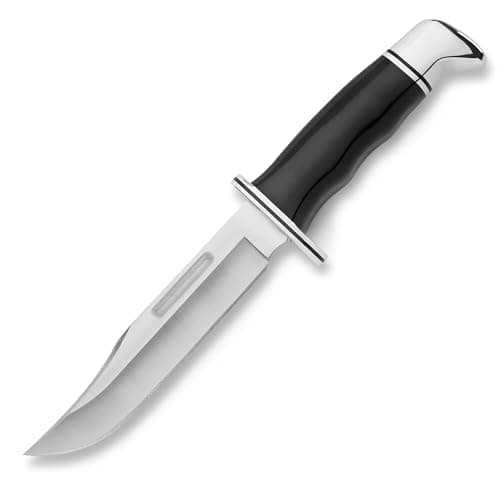
A hunting knife is one of the most heartfelt gifts you can give someone who hunts. A good one gets carried for decades, earns a story or two, and often gets handed down. That's exactly why it feels intimidating to buy if you don't hunt: there are dozens of shapes, steels, and features, and you don't want to hand over something that misses the mark.
Good news — you don't need to become an expert. This guide is written for the gift buyer, not the hunter. We'll cover why it's hard to get badly wrong, the safe choices that suit almost anyone, the charming lucky-penny traditionyou'll want to know before you wrap it, and just enough about size and type to choose with confidence.
The good news: it's hard to get wrong
Before anything else, take a breath — a quality hunting knife from a brand hunters trust is almost impossible to mess up as a gift. Unlike, say, a scope or a specific caliber, a good general-purpose knife suits nearly every hunter, every kind of game, and every style of hunting. You're not buying a tool with narrow requirements; you're buying a well-made, all-around blade that will simply get used and appreciated.
That means you can relax about the details that feel overwhelming online. You do not need to know their favorite steel, their exact hunting style, or whether they prefer a certain grind. Focus on two things — a trusted brand and a sensible general-purpose design— and you've already made a gift the person will be glad to own. The rest of this guide just helps you feel sure.
The safe choices
If you want the lowest-risk, highest-reward path, here it is: buy a classic full-size fixed-blade hunting knifefrom a name hunters recognize. A fixed blade — one solid piece of steel with no folding hinge — is the most instantly recognizable "real hunting knife," it's tough, and it's the easiest type to clean after messy work. It reads as a serious, heartfelt gift the moment they open the box.
The main alternative is a folding knife, which hinges shut so it rides safely in a pocket. Choose a folder when you know the person values carrying a blade everywhere, even on an ordinary day. Both are excellent; the full breakdown lives in our fixed vs. folding comparison. Either way, sticking to a respected brand matters more than any single spec — it's the difference between an heirloom and a drawer knife. A great fixed blade is also a natural gift for a deer hunter, who reaches for one every season.
The "penny with the knife" tradition
Here's the one bit of folklore that will make your gift land perfectly: an old superstition says that giving a knife as a gift "cuts" the friendship— that a bladed gift can sever the bond between giver and receiver. The charming fix, passed down for generations, is to tape a penny (or any small coin) to the knife. The recipient "pays" you back by handing the coin over, which turns the gift into a symbolic purchase, so no friendship gets cut.
It's a lovely, low-effort touch. Tuck a penny into the box or tape it to the sheath, and include a little note explaining the tradition and asking them to give the coin back. Even hunters who aren't superstitious tend to smile at it — it signals you cared enough to learn the custom, and it turns handing over the gift into a warm little moment rather than just an unwrapping. If nothing else, it's a great story to tell as they open it.
Sizing and type basics
You only need the lightest grounding in size and shape to feel confident. On size, resist the urge to go huge. Enormous "survival" knives look dramatic but are clumsy for the precise work hunters actually do. A blade in the rough range of three to five inches is the versatile sweet spot most hunters prefer — big enough to handle real tasks, small enough to control. On shape, a general-purpose point (often called a clip point or drop point) is the do-everything choice and the safe default.
A couple of specialty features are worth recognizing so you can decide whether they fit your person. A gut hook— a small hook on the spine — helps hunters who field dress their own game, but it's a specialty touch, not a must. Replaceable-blade knives let a hunter snap in a fresh, razor edge instead of ever sharpening. Neither is necessary for a great gift, but knowing the words helps you shop. For the full walk-through of shapes, steel, and features, see our how to choose a hunting knife guide.
Which knife type suits which person
Still deciding? This quick table matches knife types to the kind of person they gift best for.
| Knife type | What it is | Good gift for |
|---|---|---|
| Full-size fixed blade | One solid piece of steel in a sheath — tough and easy to clean | Almost anyone — the safest, most universal 'real hunting knife' |
| Folding knife | Hinges shut to ride safely in a pocket | Someone who likes a blade on them everywhere, every day |
| Gut-hook knife | A fixed or folding blade with a hook for the first field-dressing cut | A hunter who dresses their own deer or big game |
| Replaceable-blade knife | Snap in a fresh, razor-sharp blade instead of sharpening | A detail-focused hunter who processes their own game |
| Small caping / bird knife | A compact blade for delicate, precise cutting | Bird hunters or anyone doing fine, close work |
What we like
- A trusted-brand knife suits nearly every hunter and every kind of game
- Deeply personal — it gets carried for years and often handed down
- A full-size fixed blade is the hardest type to get wrong
- The lucky-penny custom turns the handover into a warm moment
Worth knowing
- Skip giant 'survival' knives — three to five inches is the usable sweet spot
- Specialty features (gut hook, replaceable blade) only fit certain hunters
- Brand matters more than any single spec — cheap steel disappoints fast
- Check local rules before gifting a knife that ships across some borders
Putting it together
Here's the whole guide in one breath: pick a classic full-size fixed blade from a brand hunters trust, keep it in the three-to-five-inch range, add a penny with a note, and you've given a gift that's thoughtful, useful, and hard to beat. Choose a folder instead only if you know they love pocket carry, and consider a gut-hook or replaceable-blade knife only if you know they process their own game. For a budget-friendly companion or a smaller gesture, a good knife pairs beautifully with picks from our hunting gifts under $50.
One last, cheap addition that lifts a knife gift more than anything else you can spend the money on: a sharpener. Almost nobody who receives a knife owns a proper one, and our best knife sharpeners for hunting knives roundup picks the ones that suit a hunting edge.
Want to see how we weigh brands, steel, and value before recommending anything? That's all laid out on our how we choose page.
Frequently asked questions
What hunting knife should I buy as a gift if I don't hunt?
A classic full-size fixed-blade knife from a brand hunters trust is the safest choice. It suits nearly every hunter and kind of game, it's tough and easy to clean, and it reads instantly as a real hunting knife. Focus on brand and a general-purpose design over specs.
Why do you tape a penny to a knife when you give it as a gift?
An old superstition says gifting a knife can 'cut' the friendship. Taping a penny to it lets the recipient hand the coin back, turning the gift into a symbolic purchase so no bond gets severed. It's a charming, low-effort tradition many hunters appreciate.
What size hunting knife is best for a gift?
A blade roughly three to five inches long is the versatile sweet spot most hunters prefer — big enough for real tasks, small enough to control. Avoid oversized 'survival' knives; they look dramatic but are clumsy for the precise work hunters actually do.
Should I get a fixed or folding knife as a gift?
A fixed blade is the safer, more universal gift — recognizable, tough, and easy to clean. Choose a folding knife only when you know the person values carrying a blade in their pocket every day. Both are excellent; match it to how they carry.
Do I need to match the knife to how they hunt?
Not for a great gift. A quality general-purpose knife suits almost every hunter. You only need to match specialty features — like a gut hook or replaceable blade — to their habits if you happen to know them. Otherwise, a trusted-brand all-rounder is ideal.