Gear Guides
What to Wear Duck Hunting
Duck hunting is the only hunt where you get wet deliberately, overheat on the walk in, then sit still in water for four hours. Dress for the sitting, not the walking - and own nothing made of cotton.
Three rules cover ninety percent of it. Wool or synthetic next to the skin and never cotton. A genuinely waterproof outer layer, not a water-resistant one. And walk in deliberately underdressed, carrying the warm layers to put on once you have stopped moving. Get those three right and the rest is detail.
Waterfowl hunting is harder on clothing than any other kind of hunting, because it combines three things that normally do not happen together. You are in or beside water, so you will get wet whether you plan to or not. You exert hard getting to the blind — wading, carrying decoys, breaking ice — which means you arrive hot. And then you stop completely and sit in the coldest, dampest air available, often before sunrise, for several hours.
That sequence is the whole problem, and it is why the usual advice to "dress warm" is actively wrong. Dress warm and you sweat through everything on the walk in, and then you sit in wet clothing. Wet insulation does not insulate. A hunter who arrives at the blind damp has already lost the morning no matter what the layers cost.
The one real mistake: cotton
If there is a single thing to take away from this page, it is this. Cotton absorbs and holds water, loses essentially all of its insulating value when wet, and takes a very long time to dry — so a cotton shirt, cotton socks, cotton underwear or a cotton hoodie turns your own sweat into a cold, wet layer held against your skin for the rest of the hunt. In a duck blind, where you cannot warm up by moving and cannot get dry, that is the difference between a long morning and a short one.
Merino wool and synthetics both solve it, differently. Merino keeps a usable amount of its warmth when damp and resists odour; synthetics move moisture faster and dry quicker, and cost less. Merino vs synthetic base layers works that choice through properly. Either is right. Cotton is not.
Layer by layer, from the skin out
Base layer. Merino or synthetic, top and bottom, close-fitting. Its job is moving sweat off your skin, not warmth, which is why fit matters more than thickness here. This is the layer that decides whether the rest works.
Mid layer. Fleece, wool, or a light synthetic insulated piece. This is where the warmth lives, and it is the layer you carry rather than wear on the walk in. A fleece hoodie is the common choice and a good one, as long as it is a synthetic fleece and not a cotton sweatshirt.
Waders.The defining piece of waterfowl kit, and the one we do not list a product for — more on that below. Insulated neoprene for cold water, breathable for milder weather and for hunters who walk a long way. Buy them with room for the socks and the layers that go inside, because waders bought snug compress everything and cold feet follow immediately.
Outer shell.Genuinely waterproof, not water-resistant — the distinction matters because a water-resistant jacket in sustained rain is just a slow leak. A hood is not optional in waterfowl, and a shell that is quiet when wet is better than one that crackles.
Hands, head, neck.The three places a waterfowler actually loses the morning. Head and neck first, because they are large uninsulated radiators and cheap to cover. Then hands — and the honest answer for hands in a blind is a hand muff or a warmer rather than thicker gloves, because you need bare fingers for calls, decoys and the gun.
What goes under waders
This is the most-asked question in waterfowl clothing and the answer is shorter than people expect: a merino or synthetic base layer bottom, then fleece or wool pants if it is genuinely cold, then the right socks. Three specifics matter.
No cotton, including the underwear. Waders do not breathe much even when they are labeled breathable, so whatever is inside them will get damp. Cotton inside a wader is the worst version of the cotton problem on this page.
One pair of socks, not two, unless the boot has room. Doubling socks inside a wader boot that already fits compresses the insulation and the circulation, which makes your feet colder rather than warmer. A merino liner under one heavier sock is fine if the boot was sized for it.
Nothing bulky at the knee. Wading is a lot of knee flexion, and bunched fabric behind the knee chafes and restricts. Fitted layers, loose shell.
Three pieces that earn their place
These are the items from our catalog that map onto the layers above. Each shows a live price with the date it was captured.
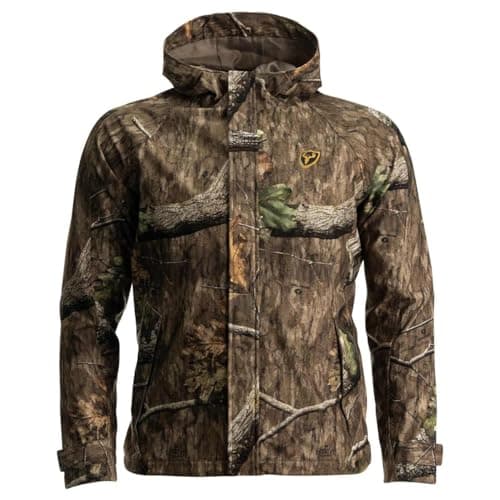
ScentBlocker Drencher Waterproof Rain Jacket
The pick, because the outer shell is the one layer in waterfowl where cheaping out shows within an hour. ScentBlocker builds the Drencher as a waterproof rain jacket rather than a water-resistant one, which is the distinction this whole page turns on - a water-resistant jacket in sustained rain is a slow leak, and a leak at the shoulders ends a sit no matter how good the base layer underneath is. It is cut to go over mid layers rather than as a standalone coat, which is the right shape for the walk-in-cold strategy, and the hood is the part a duck hunter uses most. Honest cons: a waterproof membrane does not breathe as well as a softshell, so you will sweat in it if you walk in wearing it rather than carrying it - which is exactly what the walk-in rule is for; a shell is a wind and water layer rather than a warm one, so it needs the mid layer under it in genuine cold; and a hood over your ears interferes with muff-style hearing protection.
#ad · Price as of October 17, 2026. We may earn a commission.
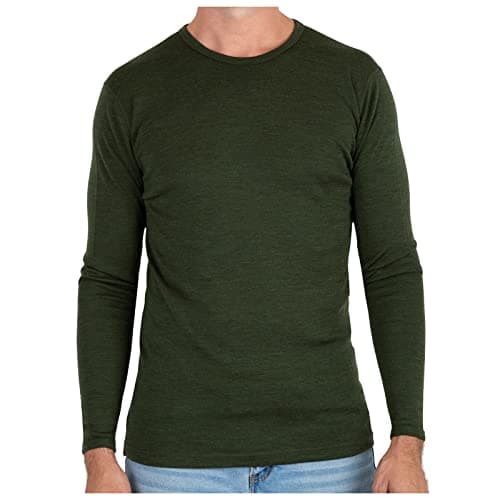
MERIWOOL Merino Wool Base Layer Top
The pick next to the skin, and the layer most likely to be the thing actually wrong with somebody's current setup. Merino's real advantage over cotton is not that it is warmer dry - it is that it retains a usable amount of its insulation when damp, which in waterfowl is the normal condition rather than the exception. It also resists odour, which matters on a multi-day trip where laundry is not happening. Buy it close-fitting: a base layer's job is to move moisture off the skin, and a loose one does not touch enough skin to do it. This is also the single best upgrade for a hunter who owns good waders and a good shell and is still cold. Honest cons: merino costs several times what a synthetic base layer does; thin merino wears through at the heels and elbows faster than synthetic; and it is slower to dry than a polyester base layer, so a synthetic is the better choice if the hunter re-wears a layer on consecutive mornings.
#ad · Price as of October 17, 2026. We may earn a commission.
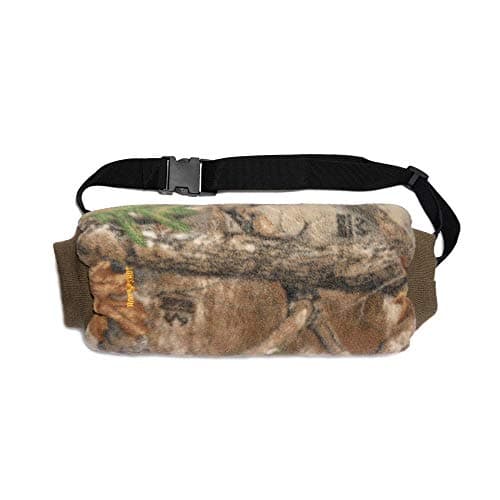
HOT SHOT Razorback Reversible Hand Muff
Included because hands are what end most duck hunts and thicker gloves are the wrong fix. A waterfowler needs bare or near-bare fingers constantly - working a call, picking up a decoy line, loading, mounting the gun - so handwear that keeps fingers warm by covering them permanently gets taken off at the first job. A belted muff inverts that: both hands go into one insulated chamber at your waist between tasks, warm up fast because they are sharing heat near your core, and come straight back out with full dexterity. Drop a chemical warmer in with them and the chamber stays warm all morning. It is also one size fits everybody, which makes it a safe gift. Honest cons: it is a sitting device and useless while wading or carrying decoys; both hands have to come out to do anything, so it is slower than flipping a mitten top; and the Razorback reverses to blaze orange, which is practical and not subtle in a blind.
#ad · Price as of October 17, 2026. We may earn a commission.
The layers, summarised
| Layer | Material | Wear it in or carry it? | Common mistake |
|---|---|---|---|
| Base, top and bottom | Merino or synthetic, close-fitting | Wear | Cotton, or bought too loose |
| Mid | Fleece, wool or light synthetic fill | Carry | A cotton sweatshirt |
| Waders | Insulated neoprene or breathable | Wear | Bought snug, so the socks compress |
| Outer shell | Waterproof with a hood | Wear | Water-resistant instead of waterproof |
| Socks | Merino or wool blend | Wear | Two pairs in a boot sized for one |
| Head and neck | Fleece or wool beanie and gaiter | Carry the spare | Leaving the neck gap open |
| Hands | Muff or warmer, plus thin gloves | Carry | Thick gloves you take off anyway |
Two things we deliberately do not list
Waders. There is no wader in our product registry, so we do not recommend a specific pair, and we are not going to add one to fill the gap on a page about waterfowl. That is a real limitation of this page and it is better said than hidden. What we can give you is the buying rule, which is the part people get wrong anyway: size them with the socks and layers you intend to wear inside, choose insulated neoprene if you stand in cold water and breathable if you walk long distances, and treat the boot fit as the decision that matters most.
A dedicated waterfowl parka. The best hunting jackets page covers the jackets we do list, sorted by the weather each one is for, and the Drencher above is the right pick from that set for waterfowl specifically. A purpose-built insulated waterfowl parka with a shell-pocket layout is a genuine category and we do not have one.
Camo, and what it does for a duck hunter
Waterfowl camo is doing a different job from deer camo. Ducks are looking down from above at a blind, a boat and a group of faces, so the two things that matter are breaking the outline of the blind itself and covering the pale, moving ovals that are your face and hands. Marsh and wetland patterns exist because they match reeds and open water rather than hardwoods. For deer hunters reading this out of curiosity, the color question is a genuinely interesting one and we worked it through on do deer see blaze orange, but waterfowl vision is a different subject and we have not researched it, so we are not going to make claims about it here.
The practical version: keep your face down and covered, keep your hands still or in a muff, and spend your effort on the blind rather than on your jacket.
Dressing somebody else for a duck hunt
If you are taking a guest or buying a gift for a waterfowler, the priority order is not the obvious one.
| Budget | Buy this | Why this first |
|---|---|---|
| Small | A merino neck gaiter or beanie | Seals the biggest cheap heat leak |
| Modest | A hand muff plus warmers | Hands end more duck hunts than feet do |
| Mid | A merino base layer | Fixes the layer most likely to be cotton |
| Larger | A genuinely waterproof shell | The layer where cheap shows in an hour |
| Any | Wool socks, several pairs | Nobody owns enough and everybody wants more |
Note what is not on that list: waders. They are the one piece a guest should borrow or the hunter should buy themselves, because the fit has to be right and it is specific to their feet, their height and the water they hunt. For the rest of the waterfowl kit, gifts for duck hunters is the page, and best hearing protection for duck hunting covers the one item on this hunt that a hood and a shotgun stock both fight.
How we chose these
We do not run a test lab and we have not measured a garment's warmth or a membrane's water resistance. Every material, waterproof rating and construction claim about a specific product above is the manufacturer's own published listing information, cited below; the layering advice is the standard base-mid-shell logic applied to what a waterfowl hunt physically does to a hunter. There are no scores and no awards from us, and no claim that any of it was field-tested by us. Our method is on the how we choose page, and prices come live from Amazon with the date they were captured.
Keep browsing
What to wear deer hunting is the same exercise for a dry treestand sit, and the differences between the two pages are instructive. Best hunting socks covers the layer that matters most inside a wader boot, best hunting gloves for cold weather explains why mittens and muffs beat gloves below freezing, and best gifts to keep a hunter warm is the gift-framed version of this whole page.
Frequently asked questions
What should you wear duck hunting?
A merino or synthetic base layer next to the skin, a fleece or wool mid layer, waders sized with room for your socks, and a genuinely waterproof hooded shell - plus a beanie, a neck gaiter and something for your hands. The single most important rule is to carry the mid layer and walk in deliberately underdressed, so you are not sitting in a blind in clothing wet with your own sweat.
What do you wear under waders for duck hunting?
A merino or synthetic base layer bottom, fleece or wool pants over it in genuine cold, and one pair of good wool socks. No cotton, including the underwear, because waders barely breathe and whatever is inside will get damp. And resist doubling your socks unless the boot was sized for it - two pairs in a boot that fits one compresses both the insulation and the circulation.
Why is cotton bad for duck hunting?
Cotton absorbs water, loses essentially all its insulating value when wet, and dries very slowly. In a duck blind you cannot warm up by moving and cannot get dry, so a cotton shirt or hoodie turns your own sweat from the walk in into a cold wet layer held against your skin for the rest of the morning. Merino keeps some warmth when damp; synthetics dry fast. Either beats cotton.
How do you keep your hands warm duck hunting?
With a hand muff or a warmer rather than thicker gloves. A waterfowler needs bare fingers constantly - calls, decoy lines, loading, mounting the gun - so handwear that works by permanently covering the fingers gets taken off at the first task. A belted muff lets both hands share one insulated chamber near your core between jobs and come straight back out with full dexterity.
Do you need waterproof or water-resistant outerwear for duck hunting?
Waterproof, and the distinction is not marketing. Water-resistant fabric sheds a shower and becomes a slow leak in sustained rain, which is a normal waterfowl morning. A leak at the shoulders ends a sit regardless of how good the layers underneath are. A hood is equally non-negotiable.
Should you dress warm for the walk to the blind?
No - deliberately underdress for the walk and carry your insulation. Wading, carrying decoys and breaking ice generates a lot of heat, and clothing damp with sweat insulates dramatically worse than dry clothing with no way to dry out in a blind in November. Base layer and shell on the way in, mid layer on once you have stopped moving.