Gear Guides
What to Buy a New Bowhunter (A Gift Guide)
Someone you love just caught the archery bug. Here's what to buy so they can practice and succeed — and, just as important, what to leave for them to choose themselves.
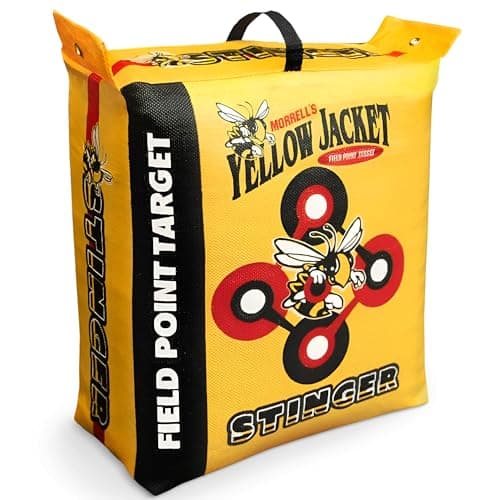
Someone you care about has just gotten into bowhunting or archery, and you want to give them something that helps — not something that ends up in a closet. The tricky part is that a lot of bow gear is deeply personal: it has to match their exact bow, their draw length, their setup. Buy the wrong one and it's useless to them. The good news is that some of the most useful gifts for a new bowhunter are the ones that aren't tied to a specific setup, so a non-archer can buy them with total confidence.
This guide sorts it out for you. We'll cover the three things that genuinely help a beginner — a good backyard target so they can practice, broadheads for when they're ready to hunt, and a rangefinderthat fixes the single hardest part of the shot — and then, just as importantly, the gear you should leave for themto pick. By the end you'll know exactly what to wrap and what to steer clear of.
Start with practice: a backyard target
If you buy a new bowhunter one thing, make it a target. Archery is a skill, and skill comes from repetition — the more arrows they send downrange in the backyard, the better and more confident they'll be when it matters. A durable bag target like the Morrell Yellow Jacket is built to stop field-point practice arrows all summer and pull them back out easily, which is exactly what a beginner needs to log the reps. It's also a universalgift: it doesn't care what bow they shoot or how long their draw is, so there's nothing to match and nothing to get wrong.
Best of all, a target removes the biggest barrier for a beginner — access. Instead of driving to a range, they can walk into the backyard and practice for ten minutes after work. That convenience is what actually turns a curious newcomer into someone who sticks with it. If you're shopping for a bowhunter more broadly, our gifts for bow hunters page gathers targets, broadheads and the rest of the field-ready gear in one place.
Broadheads they'll actually use
Once a new bowhunter can group arrows on a target, the next step toward the season is broadheads— the sharp, business-end tips that replace practice field points for actual hunting. They're a consumable a bowhunter restocks every year, which makes them a practical gift that gets genuinely used rather than admired and shelved. Expandable broadheads like the Rage Hypodermic are a popular choice a lot of hunters trust, because they fly a lot like a field point and open on impact.
A couple of honest notes so the gift lands. Broadheads come in different weights (measured in grains), and most beginners shoot a common standard weight — if you can find out which their setup uses, great; if not, the most common weight is a safe bet, and they can always exchange for the right one. Broadheads are also something a hunter should practice with before the season so they know where they hit. Give them alongside the target and you've handed over a genuinely useful pair: something to shoot at, and the tips to eventually hunt with.
A rangefinder helps most
Here's the gift that punches above its weight for a beginner: a rangefinder. Judging distance by eye is one of the hardest skills in bowhunting, and it's the one beginners get wrong most often — and with a bow, being off by even a little on the distance can mean a missed or poor shot, because arrows drop fast. A rangefinder simply tells them how far away the target is, so they can aim with confidence. For a new bowhunter, it takes the biggest source of doubt off the table.
There's a rangefinder at every budget. The TIDEWE Hunting Rangefinder is a capable, affordable way to give this gift without spending a lot, which makes it a great match for a beginner who isn't sure yet how deep they'll go. If you want to make a real statement — or you know they're all-in — a premium model like the Vortex Sonora HD 1800 adds longer range and angle compensation (useful from a treestand) and a brand-name warranty. Either way, unlike a bow or arrows, a rangefinder isn't tied to their specific setup, so you can buy it with confidence. If they're still deciding between styles of gear entirely, our crossbow vs compound bow guide is a helpful read.
What to leave for them to pick
Now the part that saves you from a well-meaning mistake. Some bow gear is so personal that buying it for someone else usually backfires — not because it's expensive, but because it has to match their body and theirbow. Steer clear of these unless they've told you the exact model and specs to buy:
The bow itself.A bow has to be fitted to a person's draw length and draw weight, and shooting the wrong fit builds bad habits or is simply unusable. New bowhunters are almost always better off being fitted at a shop. If you want to help with a bow, a gift card toward a proper fitting is far better than guessing. Arrows.Arrows have to be cut to the archer's exact draw length and matched to their bow's poundage (that's "spine"), so a random pack off the shelf often won't fit and can even be unsafe to shoot. A release aid.The little trigger device a compound shooter uses is a personal-preference and fit item — the kind of thing an archer wants to hold and choose for themselves.
None of this means you can't help with the big stuff — it just means the gift should be their choice. A gift card to an archery shop, or putting money toward a proper fitting, lets them get the fitted gear right while still feeling your generosity. If they're leaning toward a crossbow instead of a compound, that's a different (and more giftable) path — see our best hunting crossbows guide, since a complete crossbow package is far less fit-dependent than a compound bow setup.
Putting the gift together
Pulling it all together, the winning formula for a new bowhunter is simple: give them the means to practice (a target), the tips to eventually hunt (broadheads), and the tool that removes their biggest source of doubt (a rangefinder) — and leave the deeply personal, fit-dependent gear for them to choose. That way every dollar you spend lands on something they can actually use, and nothing ends up in a closet because it didn't fit their setup.
If you want even more ideas aimed at someone just starting out — across all kinds of hunting, not only archery — our gifts for new hunterspost is a good next read. And when you're ready to shop specifically for the archer, everything above lives on our gifts for bow hunters page.
Before any of this, settle the draw weight. What draw weight do you need for deer hunting explains why over-bowing is the most common beginner mistake, what changes on the bow when you adjust it, and how to buy for somebody whose weight you do not know.
Frequently asked questions
What's the best gift for someone new to bowhunting?
A durable backyard target. Archery is a skill built through repetition, and a target lets a beginner practice at home instead of driving to a range. It's also a universal gift — it doesn't have to match their specific bow or draw length, so there's nothing to get wrong.
Should I buy a new bowhunter a bow or arrows?
No, unless they've told you the exact model and specs. A bow must be fitted to a person's draw length and weight, and arrows must be cut and matched to their setup, so guessing usually results in gear they can't use. A gift card toward a proper shop fitting is a far safer way to help with the big items.
Is a rangefinder a good gift for a beginner bowhunter?
Yes — it's one of the most useful. Judging distance by eye is the hardest skill in bowhunting and the one beginners get wrong most, and arrows drop quickly, so a small distance error means a missed shot. A rangefinder removes that doubt, and it isn't tied to their specific bow setup.
What broadheads should I buy a new bowhunter?
Popular expandable broadheads like the Rage Hypodermic are a trusted choice that fly much like a field point. Broadheads come in different grain weights, so find out which their setup uses if you can — otherwise pick the most common weight, and know they can exchange it if needed.
What bowhunting gear should I avoid buying as a gift?
Avoid the bow, arrows and a release aid unless you know the exact specs. All three have to be fitted to the individual archer and their equipment, so a general-purpose version off the shelf often won't fit and can even be unsafe. Leave those for them to choose, and gift the practice and support gear instead.