Gear Guides
The Best Hunting Rangefinder Under $100
A sub-$100 rangefinder will absolutely range a deer at 200 yards. What it gives up is speed, glass and angle compensation - and only one of those three changes where the bullet goes.
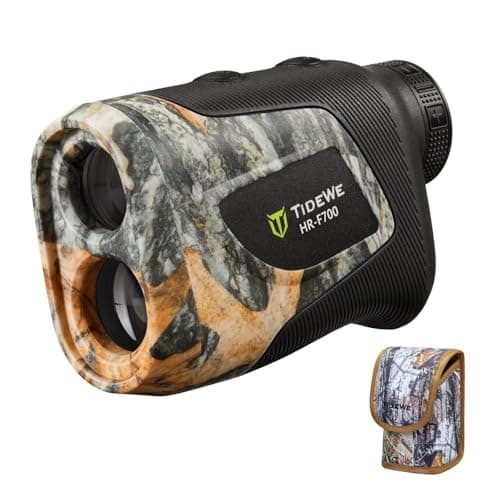
Buy the TIDEWE. It is the only pick in this bracket that publishes angle compensation, which is the one budget-rangefinder feature that genuinely changes where an arrow or a bullet lands when the hunter is up a tree. If the budget is tighter than that, the REVASRI does the core job — a number, fast enough, on a deer at normal hunting distance — and the Bushnell BoneCollector is the one a hunter will recognise by brand if you are buying it as a gift.
The number to ignore is the big one on the box. Every rangefinder in this bracket advertises 1,000 yards or more, and every one of those figures is measured against a large, flat, highly reflective target. A deer is small, matte, and has hair, which scatters light. The honest working range on an animal is a fraction of the advertised figure — and it is still several times further than anyone shoots.
So the sub-$100 bracket is genuinely fine for the thing hunters use a rangefinder for. What you give up is speed of acquisition in bad light, glass clarity, and — on most of them — the angle math. The three picks below are ranked on that basis, with prices pulled live from Amazon. For the category without the price cap, see best hunting rangefinders.
- 1TIDEWE Hunting RangefinderThe pick, because it is the one in the bracket that does the math a treestand hunter needs. TIDEWE publishes an angle-compensated horizontal distance mode alongside straight line-of-sight ranging, plus a speed mode and multiple target modes. Angle compensation matters for a specific, physical reason: from 20 feet up, the straight-line distance to an animal is longer than the horizontal distance the arrow or bullet actually has to travel, and gravity only acts over the horizontal. Range 32 yards line-of-sight from a stand and the true shot may be 28 - which is the difference between a clean shot and a high one on a bow. Honest cons: the glass and coatings are what you expect at the price, so acquisition in low light is slower than a premium unit; the readout is less crisp than a Vortex or Leupold; and the advertised maximum range is a reflective-target figure, not a deer figure.Best for: Best overall under $100
- 2
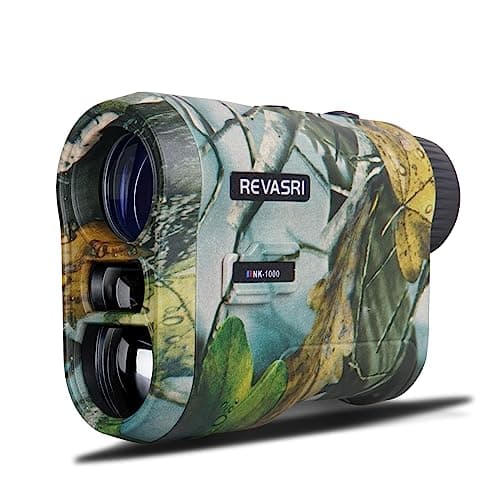 REVASRI 1000-Yard Hunting RangefinderThe honest budget answer, and the one to buy if the alternative is no rangefinder at all. REVASRI publishes a 1,000-yard unit with distance and speed measurement, scan mode, and yard/meter switching - which is the complete feature set a hunter uses 95 percent of the time. For a gun hunter sitting over a field edge, where shots are flat and the question is simply 'is that 180 or 240 yards', it is enough tool. It is also the pick for a hunter who ranges landmarks before the hunt rather than animals during it, which is what experienced hunters actually do. Honest cons: no angle compensation published, so a treestand bowhunter is doing the correction in their head; the optics are basic and the readout washes out against a bright sky; and build quality is priced accordingly - treat it as weather-resistant rather than weatherproof.Best for: Best cheapest that still works
 - 3
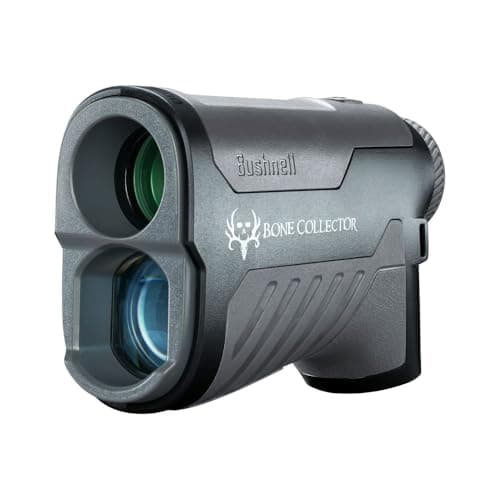 Bushnell BoneCollector 1000 RangefinderThe pick when the recipient will care what the brand says on it, which is a real consideration for a gift. Bushnell is the name most North American hunters already associate with rangefinders, and the BoneCollector is their entry hunting unit - a 1,000-yard class monocular rangefinder with a simple single-button interface and ARC-style ranging in the Bushnell line. The argument for it over the two cheaper picks is not spec-sheet superiority; it is that a hunter opening a box with a brand they trust on it will actually carry the thing, and a rangefinder in a drawer helps nobody. Honest cons: pricing in this bracket moves and the model is frequently out of stock, which is why the price box here may show a link rather than a number; you are paying partly for the name; and at this tier Bushnell's glass is not meaningfully ahead of the field.Best for: Best known brand in the bracket
| # | Gift | Best for | Price |
|---|---|---|---|
| 1 | TIDEWE Hunting RangefinderThe pick, because it is the one in the bracket that does the math a treestand hunter needs. TIDEWE publishes an angle-compensated horizontal distance mode alongside straight line-of-sight ranging, plus a speed mode and multiple target modes. Angle compensation matters for a specific, physical reason: from 20 feet up, the straight-line distance to an animal is longer than the horizontal distance the arrow or bullet actually has to travel, and gravity only acts over the horizontal. Range 32 yards line-of-sight from a stand and the true shot may be 28 - which is the difference between a clean shot and a high one on a bow. Honest cons: the glass and coatings are what you expect at the price, so acquisition in low light is slower than a premium unit; the readout is less crisp than a Vortex or Leupold; and the advertised maximum range is a reflective-target figure, not a deer figure. | Best overall under $100 | $66.99View on Amazon |
| 2 | REVASRI 1000-Yard Hunting RangefinderThe honest budget answer, and the one to buy if the alternative is no rangefinder at all. REVASRI publishes a 1,000-yard unit with distance and speed measurement, scan mode, and yard/meter switching - which is the complete feature set a hunter uses 95 percent of the time. For a gun hunter sitting over a field edge, where shots are flat and the question is simply 'is that 180 or 240 yards', it is enough tool. It is also the pick for a hunter who ranges landmarks before the hunt rather than animals during it, which is what experienced hunters actually do. Honest cons: no angle compensation published, so a treestand bowhunter is doing the correction in their head; the optics are basic and the readout washes out against a bright sky; and build quality is priced accordingly - treat it as weather-resistant rather than weatherproof. | Best cheapest that still works | $44.99View on Amazon |
| 3 | Bushnell BoneCollector 1000 RangefinderThe pick when the recipient will care what the brand says on it, which is a real consideration for a gift. Bushnell is the name most North American hunters already associate with rangefinders, and the BoneCollector is their entry hunting unit - a 1,000-yard class monocular rangefinder with a simple single-button interface and ARC-style ranging in the Bushnell line. The argument for it over the two cheaper picks is not spec-sheet superiority; it is that a hunter opening a box with a brand they trust on it will actually carry the thing, and a rangefinder in a drawer helps nobody. Honest cons: pricing in this bracket moves and the model is frequently out of stock, which is why the price box here may show a link rather than a number; you are paying partly for the name; and at this tier Bushnell's glass is not meaningfully ahead of the field. | Best known brand in the bracket | Check price on Amazon |
Prices from Amazon as of October 10, 2026 and change often — the button always opens the current listing. Some links earn us a commission at no extra cost to you.
TIDEWE Hunting Rangefinder
The pick, because it is the one in the bracket that does the math a treestand hunter needs. TIDEWE publishes an angle-compensated horizontal distance mode alongside straight line-of-sight ranging, plus a speed mode and multiple target modes. Angle compensation matters for a specific, physical reason: from 20 feet up, the straight-line distance to an animal is longer than the horizontal distance the arrow or bullet actually has to travel, and gravity only acts over the horizontal. Range 32 yards line-of-sight from a stand and the true shot may be 28 - which is the difference between a clean shot and a high one on a bow. Honest cons: the glass and coatings are what you expect at the price, so acquisition in low light is slower than a premium unit; the readout is less crisp than a Vortex or Leupold; and the advertised maximum range is a reflective-target figure, not a deer figure.
#ad · Price as of October 10, 2026. We may earn a commission.
REVASRI 1000-Yard Hunting Rangefinder
The honest budget answer, and the one to buy if the alternative is no rangefinder at all. REVASRI publishes a 1,000-yard unit with distance and speed measurement, scan mode, and yard/meter switching - which is the complete feature set a hunter uses 95 percent of the time. For a gun hunter sitting over a field edge, where shots are flat and the question is simply 'is that 180 or 240 yards', it is enough tool. It is also the pick for a hunter who ranges landmarks before the hunt rather than animals during it, which is what experienced hunters actually do. Honest cons: no angle compensation published, so a treestand bowhunter is doing the correction in their head; the optics are basic and the readout washes out against a bright sky; and build quality is priced accordingly - treat it as weather-resistant rather than weatherproof.
#ad · Price as of October 10, 2026. We may earn a commission.
Bushnell BoneCollector 1000 Rangefinder
The pick when the recipient will care what the brand says on it, which is a real consideration for a gift. Bushnell is the name most North American hunters already associate with rangefinders, and the BoneCollector is their entry hunting unit - a 1,000-yard class monocular rangefinder with a simple single-button interface and ARC-style ranging in the Bushnell line. The argument for it over the two cheaper picks is not spec-sheet superiority; it is that a hunter opening a box with a brand they trust on it will actually carry the thing, and a rangefinder in a drawer helps nobody. Honest cons: pricing in this bracket moves and the model is frequently out of stock, which is why the price box here may show a link rather than a number; you are paying partly for the name; and at this tier Bushnell's glass is not meaningfully ahead of the field.
What the sub-$100 bracket gives up
| Capability | Under $100 | Does it change the shot? |
|---|---|---|
| Ranging a deer at normal distance | Yes, comfortably | No - this is the core job and it is covered |
| Angle (horizontal-distance) compensation | Only on some units | Yes - the one feature here that moves the point of impact |
| Fast acquisition in low light | Slower | Sometimes - dawn and dusk is when hunters actually range |
| Glass clarity and readout brightness | Basic | No, but it decides whether the hunter trusts the number |
| Real range on a hair-covered animal | Far below the advertised figure | No - the advertised figure was never the useful one |
| Weatherproofing | Water-resistant, not sealed | No, until it rains hard |
One line is the whole page: angle compensation is the only item in that table that changes where the projectile goes. Everything else changes how pleasant the device is to use. That is why the pick here is the unit that publishes it rather than the cheapest one or the best-known one.
The three questions that decide which one
1. Does the hunter shoot from a treestand?If yes, buy angle compensation — the TIDEWE here. The steeper the angle and the closer the animal, the bigger the error, which is exactly the bowhunting case. Best rangefinder for bow hunting goes further into that math.
2. Do they range animals, or landmarks? Good hunters range the fence post, the lone oak and the field corner when they climb in, then never touch the rangefinder again. If that is the use, the cheapest pick is genuinely enough.
3. Is it a gift for somebody who does not own one? Then the brand on the box does part of the work, because an unfamiliar device with a cheap-looking readout tends to stay in the truck. Do you need a rangefinder for hunting is the page to read before buying one for someone who has not asked for it.
When to spend more than $100
There is one clear case: the hunter shoots at genuinely long range, or in the mountains, where fast acquisition on an animal across a canyon at last light is the job. That is where better glass, a brighter display and a faster processor earn their money — and in this site's registry that is the Vortex Sonora HD 1800, which sits a little under $200 and is ranked as the overall pick on best hunting rangefinders. We have deliberately not listed it as a pick here, because it is not a sub-$100 rangefinder and pretending otherwise would be the whole problem with budget roundups.
The other honest alternative is to spend the money on binoculars instead. A hunter who cannot find the animal does not need to know how far away it is, and for most whitetail hunting a decent pair of 10x42s changes more days than a rangefinder does. Best hunting binoculars covers that, and how to choose a rangefinder walks the specs in plain language.
How we chose these
We do not run a test lab and we have not lasered a deer with any of these. Every mode, range class and compensation feature above is the manufacturer's own published product information, cited below, and the ranking is reasoning about which hunt each unit suits rather than a measured result. No unit here carries a score or an award from us, because we have not run a test that would justify one. Our method is on the how we choose page, and prices come live from Amazon with the capture date stamped beside them.
Keep browsing
Best hunting rangefinders ranks the whole category. Vortex Sonora vs TIDEWE is the head-to-head between this page's top pick and the unit one bracket up, and hunting vs golf rangefinder answers the question that sends more people to the wrong product than any other.
Frequently asked questions
What is the best hunting rangefinder under $100?
The TIDEWE, because it is the one in the bracket that publishes angle-compensated horizontal distance - the only budget feature that changes where a shot lands from a treestand. The REVASRI is the honest cheapest option for flat, open-country ranging, and the Bushnell BoneCollector is the pick if brand recognition matters because it is a gift.
Are cheap rangefinders accurate enough for hunting?
For the distances hunters actually shoot, yes. A sub-$100 unit will range a deer well past any sensible shot. What it gives up is speed of acquisition in poor light, glass clarity, and usually angle compensation - and only the last of those three changes where the projectile goes.
Do budget rangefinders really reach 1,000 yards?
Against a large, flat, reflective target, broadly yes - that is how the figure is measured. Against a deer, no. A small, matte, hair-covered animal scatters the laser, so expect usable performance well under half the advertised number. It does not matter in practice, because almost nobody shoots at a deer past 300 yards.
Do I need angle compensation on a hunting rangefinder?
If the hunter shoots from a treestand, yes. From elevation the straight-line distance is longer than the horizontal distance the projectile travels, and gravity acts over the horizontal - so a line-of-sight reading of 32 yards can be a 28-yard shot. The error grows with steeper angles and closer animals, which is the bowhunting case exactly.
Is a rangefinder or binoculars the better buy on a budget?
Binoculars, for most whitetail hunting. A hunter who cannot find the animal does not need its distance, and glass gets used every minute of every sit while a rangefinder gets used twice a season. Buy the binoculars first and add a sub-$100 rangefinder later.
Is a rangefinder a good gift for a hunter?
Yes, with one caveat: buy a brand they will trust enough to carry. An unfamiliar device with a dim readout ends up in the truck console. If you want a safe gift in this bracket, pick the one with angle compensation - it is the feature a bowhunter will actually notice and thank you for.
Sources
- TIDEWE - published product information for the hunting rangefinder (angle-compensated horizontal distance, speed and target modes)
- REVASRI - published product information for the 1000-yard hunting rangefinder (distance, speed, scan mode)
- Bushnell - published product information for the BoneCollector laser rangefinder line
- Vortex Optics - published specifications for the Sonora HD 1800 laser rangefinder (the next bracket up)