Gear Guides
The Best Base Layers for Hunting
A base layer is the only piece of hunting clothing that touches skin, and it is the one that decides whether a cold sit lasts until dark or ends at ten in the morning. Here is the layer that works, the cheap one that changes the most, and why the sock matters as much as the shirt.
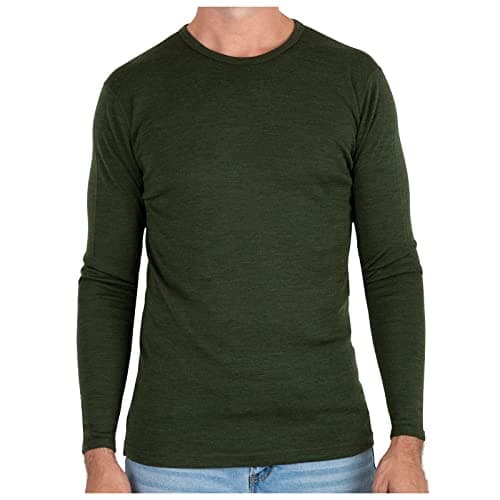
The verdict: the MERIWOOL Merino Wool Base Layer Topis the one to buy, and it is for the hunter who sits still in the cold — a stand or blind hunter who already owns a jacket and is still getting cold by mid-morning. Merino is the fibre that handles the specific problem hunting creates, which is that you sweat walking in and then sit motionless for five hours: it keeps insulating while it is damp instead of turning into a cold wet sheet against the skin. The budget pick is the Fox River Castile Light merino liner sock, and it is here as a serious recommendation rather than filler — it is the cheapest item on this page by a wide margin and it fixes the part of a hunter that goes numb first. If you only buy one thing, buy the top. If you buy two, buy the top and the liner socks.
Base layers get sold on warmth, which is the wrong frame. A base layer is not insulation — a jacket and bibs are insulation. A base layer is a moisture pump. Its entire job is to move sweat off skin and park it somewhere it can evaporate, so that when you stop moving and your body stops producing heat, there is nothing wet left to steal it. That is why a cotton t-shirt under an expensive parka still ends a hunt early: cotton holds the water right where it does the most damage.
Buy it as a system, not a shirt. The reason most hunters still get cold in good outerwear is that they layered the torso and left the feet and hands in whatever was in the drawer. Feet and hands are where cold is actually felt, and they are also the cheapest places to fix. Every price below is pulled live and dated, so you can see what the whole system costs before you commit to it.
- 1MERIWOOL Merino Wool Base Layer TopThe pick for almost everyone, and the single most useful piece of cold-weather hunting clothing you can give someone who already owns a jacket. MERIWOOL publishes this as a midweight merino wool base layer top, and midweight is the right call for hunting rather than a dodge between extremes: lightweight merino is a three-season shirt that will not carry a November sit on its own, and heavyweight merino is too warm for the walk in, which is exactly when you generate the sweat that causes the problem in the first place. What merino buys over a synthetic of the same thickness is behaviour when wet - the fibre holds moisture inside its structure rather than against skin, so a damp merino layer still feels warm while a damp synthetic feels like a cold cloth. It also resists odour across days of wear without washing, which matters more to a hunter than to anyone else, and it is quiet against a jacket where some synthetics are not. Honest cons: merino is the most expensive fibre option per garment here, it dries noticeably slower than polyester once genuinely soaked through, and it is less durable - merino pills and wears thin under pack straps far sooner than a synthetic will. It also needs cool washing and no dryer, which is a real risk if you give it to somebody who does not read labels. And a base layer top on its own is not a cold-weather solution: it is the bottom of a system that still needs insulation and a shell above it.Best for: Best overall - for the hunter who sits still in the cold
- 2
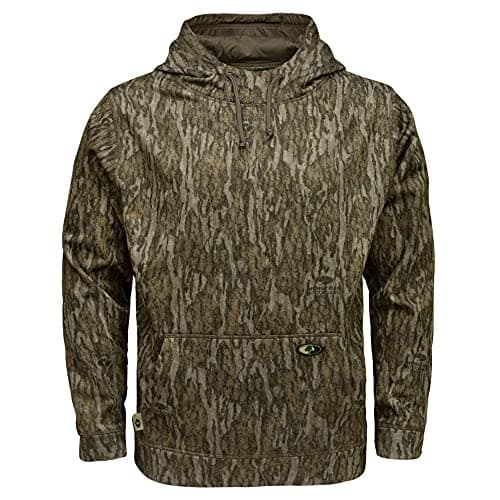 Mossy Oak Performance Fleece Camo HoodieThe pick for the layer directly above the base, and the reason it sits on a base-layer page is that the two get bought wrongly as separate decisions. Mossy Oak publishes this as a performance fleece camo hoodie with stretch, and fleece is the correct mid-layer material for the same reason merino is the correct base: it traps air for warmth while staying permeable, so the sweat your base layer moved outward can keep going instead of condensing at a barrier. A hoodie in particular closes the head-and-neck gap that costs more heat than most hunters think, and this one is in camo, so it works as an outer layer on a mild morning and as a mid-layer when it drops. It is also the safest sized piece of hunting clothing to buy for somebody else - a fleece hoodie forgives a size either way in a way a fitted base layer does not. Honest cons: fleece is not windproof, and in any real wind it needs a shell over it or it stops working almost entirely. It collects burrs, dog hair and seed heads. It is bulkier in a pack than merino of equivalent warmth. And a brushed fleece surface is slightly noisier against brush than a smooth shell, which matters at bow range even if it does not at rifle range.Best for: Best mid-layer - for the hunter who overheats on the walk in
- 3
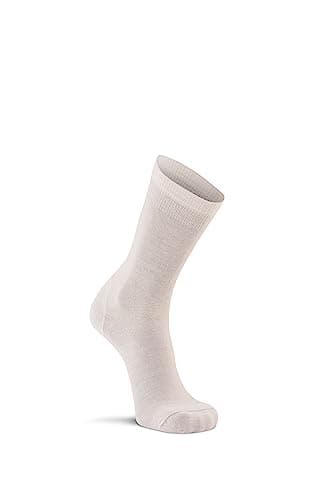 Fox River Castile Light Merino Liner SocksThe honest cheap answer on this page and the one most hunters are missing. Fox River publishes the Castile Light as a lightweight merino wool crew liner sock, and the point of a liner is mechanical rather than thermal: it is a thin slick layer between foot and boot sock, so the two fabrics slide against each other instead of skin sliding against fabric. That does two things. It moves sweat off the foot into the thicker sock where it can evaporate, which is the real reason feet get cold - a wet foot inside an insulated boot is being refrigerated, not insulated. And it sharply reduces the friction that raises blisters on a long walk in. For about the price of a box of shells this is the highest-return purchase in cold-weather hunting, which is why it is the budget pick rather than a throwaway. Honest cons: a liner adds volume inside a boot, and in boots that already fit snugly it can make things worse rather than better by compressing the dead air space that does the insulating - if the boots are tight, size the boots up before adding a liner. It is thin and it will wear through at the heel faster than a heavyweight sock. And it does nothing on its own: this is a layer that only works underneath a proper boot sock.Best for: Budget pick - the cheapest layer that changes a cold sit
- 4
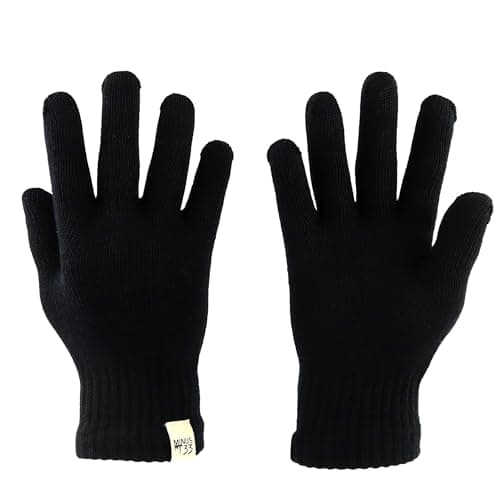 Minus33 Merino Wool Glove LinersThe pick for the part of the system that gets skipped every single time. Minus33 publishes these as lightweight merino wool glove liners, and the case for them is that hands have the same wet-then-still problem as feet with none of the insulation a boot provides. A thin merino liner inside an existing mitten or glove does what a sock liner does: it keeps a sweat film off the skin and adds a genuine increment of warmth for almost no bulk. The second reason it belongs in a layering system is dexterity. A liner lets a hunter pull the outer mitten off to work a release, a call, a rangefinder or a knife without putting bare skin on cold metal, which is the moment hands actually get ruined. For anyone who already owns warm handwear, this is the cheapest available upgrade to it. Honest cons: a liner on its own is not warm - it is a layer, and treating it as gloves on a cold morning will disappoint. Thin merino wears through at the fingertips quickly, especially for anyone handling rough gear. Sizing is less forgiving than socks, because a loose liner bunches inside a glove. And a liner under a tight-fitting glove can cut circulation, which makes hands colder rather than warmer.Best for: Best for hands - for the hunter who already owns warm gloves
- 5
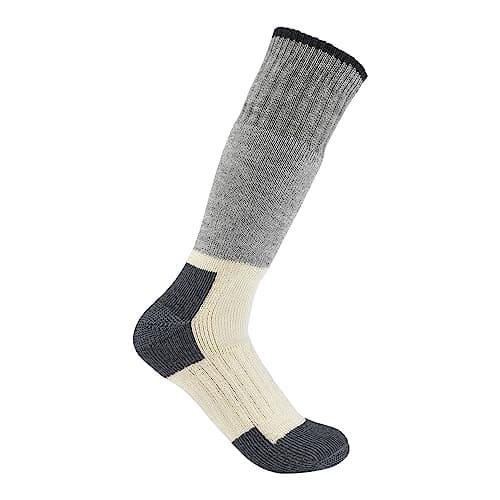 Carhartt Arctic Heavyweight Merino Blend Boot SockThe pick for the outer half of the foot system, and the one to pair with the liner above for a late-season sit. Carhartt publishes this as an Arctic heavyweight merino wool blend boot sock, and heavyweight is specifically what a stationary hunter wants - the thickness is doing insulation work, which is a different job from the moisture work the liner does. A wool blend rather than pure merino is a deliberate trade and a sensible one at this price: the synthetic content adds abrasion resistance and shape retention at the cost of a little of merino's wet-warmth, and in a boot sock that gets hard wear and frequent washing that is usually the right side of the trade. Carhartt is also the one brand on this page that almost every hunter already owns something from, which makes it a safe gift. Honest cons: heavyweight socks need boot room. In a boot sized for a thin sock they compress the insulating air gap and make feet colder - the most common cold-feet mistake there is. They are too warm for an early-season walk-in and will produce exactly the sweat you are trying to avoid. They dry slowly once soaked, which argues for owning two pairs. And a blend will not match pure merino for odour control over multiple days.Best for: Best for late-season sits - the heavyweight that goes over the liner
| # | Gift | Best for | Price |
|---|---|---|---|
| 1 | MERIWOOL Merino Wool Base Layer TopThe pick for almost everyone, and the single most useful piece of cold-weather hunting clothing you can give someone who already owns a jacket. MERIWOOL publishes this as a midweight merino wool base layer top, and midweight is the right call for hunting rather than a dodge between extremes: lightweight merino is a three-season shirt that will not carry a November sit on its own, and heavyweight merino is too warm for the walk in, which is exactly when you generate the sweat that causes the problem in the first place. What merino buys over a synthetic of the same thickness is behaviour when wet - the fibre holds moisture inside its structure rather than against skin, so a damp merino layer still feels warm while a damp synthetic feels like a cold cloth. It also resists odour across days of wear without washing, which matters more to a hunter than to anyone else, and it is quiet against a jacket where some synthetics are not. Honest cons: merino is the most expensive fibre option per garment here, it dries noticeably slower than polyester once genuinely soaked through, and it is less durable - merino pills and wears thin under pack straps far sooner than a synthetic will. It also needs cool washing and no dryer, which is a real risk if you give it to somebody who does not read labels. And a base layer top on its own is not a cold-weather solution: it is the bottom of a system that still needs insulation and a shell above it. | Best overall - for the hunter who sits still in the cold | $65.00View on Amazon |
| 2 | Mossy Oak Performance Fleece Camo HoodieThe pick for the layer directly above the base, and the reason it sits on a base-layer page is that the two get bought wrongly as separate decisions. Mossy Oak publishes this as a performance fleece camo hoodie with stretch, and fleece is the correct mid-layer material for the same reason merino is the correct base: it traps air for warmth while staying permeable, so the sweat your base layer moved outward can keep going instead of condensing at a barrier. A hoodie in particular closes the head-and-neck gap that costs more heat than most hunters think, and this one is in camo, so it works as an outer layer on a mild morning and as a mid-layer when it drops. It is also the safest sized piece of hunting clothing to buy for somebody else - a fleece hoodie forgives a size either way in a way a fitted base layer does not. Honest cons: fleece is not windproof, and in any real wind it needs a shell over it or it stops working almost entirely. It collects burrs, dog hair and seed heads. It is bulkier in a pack than merino of equivalent warmth. And a brushed fleece surface is slightly noisier against brush than a smooth shell, which matters at bow range even if it does not at rifle range. | Best mid-layer - for the hunter who overheats on the walk in | $59.99View on Amazon |
| 3 | Fox River Castile Light Merino Liner SocksThe honest cheap answer on this page and the one most hunters are missing. Fox River publishes the Castile Light as a lightweight merino wool crew liner sock, and the point of a liner is mechanical rather than thermal: it is a thin slick layer between foot and boot sock, so the two fabrics slide against each other instead of skin sliding against fabric. That does two things. It moves sweat off the foot into the thicker sock where it can evaporate, which is the real reason feet get cold - a wet foot inside an insulated boot is being refrigerated, not insulated. And it sharply reduces the friction that raises blisters on a long walk in. For about the price of a box of shells this is the highest-return purchase in cold-weather hunting, which is why it is the budget pick rather than a throwaway. Honest cons: a liner adds volume inside a boot, and in boots that already fit snugly it can make things worse rather than better by compressing the dead air space that does the insulating - if the boots are tight, size the boots up before adding a liner. It is thin and it will wear through at the heel faster than a heavyweight sock. And it does nothing on its own: this is a layer that only works underneath a proper boot sock. | Budget pick - the cheapest layer that changes a cold sit | $11.20View on Amazon |
| 4 | Minus33 Merino Wool Glove LinersThe pick for the part of the system that gets skipped every single time. Minus33 publishes these as lightweight merino wool glove liners, and the case for them is that hands have the same wet-then-still problem as feet with none of the insulation a boot provides. A thin merino liner inside an existing mitten or glove does what a sock liner does: it keeps a sweat film off the skin and adds a genuine increment of warmth for almost no bulk. The second reason it belongs in a layering system is dexterity. A liner lets a hunter pull the outer mitten off to work a release, a call, a rangefinder or a knife without putting bare skin on cold metal, which is the moment hands actually get ruined. For anyone who already owns warm handwear, this is the cheapest available upgrade to it. Honest cons: a liner on its own is not warm - it is a layer, and treating it as gloves on a cold morning will disappoint. Thin merino wears through at the fingertips quickly, especially for anyone handling rough gear. Sizing is less forgiving than socks, because a loose liner bunches inside a glove. And a liner under a tight-fitting glove can cut circulation, which makes hands colder rather than warmer. | Best for hands - for the hunter who already owns warm gloves | $19.99View on Amazon |
| 5 | Carhartt Arctic Heavyweight Merino Blend Boot SockThe pick for the outer half of the foot system, and the one to pair with the liner above for a late-season sit. Carhartt publishes this as an Arctic heavyweight merino wool blend boot sock, and heavyweight is specifically what a stationary hunter wants - the thickness is doing insulation work, which is a different job from the moisture work the liner does. A wool blend rather than pure merino is a deliberate trade and a sensible one at this price: the synthetic content adds abrasion resistance and shape retention at the cost of a little of merino's wet-warmth, and in a boot sock that gets hard wear and frequent washing that is usually the right side of the trade. Carhartt is also the one brand on this page that almost every hunter already owns something from, which makes it a safe gift. Honest cons: heavyweight socks need boot room. In a boot sized for a thin sock they compress the insulating air gap and make feet colder - the most common cold-feet mistake there is. They are too warm for an early-season walk-in and will produce exactly the sweat you are trying to avoid. They dry slowly once soaked, which argues for owning two pairs. And a blend will not match pure merino for odour control over multiple days. | Best for late-season sits - the heavyweight that goes over the liner | $26.25View on Amazon |
Prices from Amazon as of November 24, 2026 and change often — the button always opens the current listing. Some links earn us a commission at no extra cost to you.
MERIWOOL Merino Wool Base Layer Top
The pick for almost everyone, and the single most useful piece of cold-weather hunting clothing you can give someone who already owns a jacket. MERIWOOL publishes this as a midweight merino wool base layer top, and midweight is the right call for hunting rather than a dodge between extremes: lightweight merino is a three-season shirt that will not carry a November sit on its own, and heavyweight merino is too warm for the walk in, which is exactly when you generate the sweat that causes the problem in the first place. What merino buys over a synthetic of the same thickness is behaviour when wet - the fibre holds moisture inside its structure rather than against skin, so a damp merino layer still feels warm while a damp synthetic feels like a cold cloth. It also resists odour across days of wear without washing, which matters more to a hunter than to anyone else, and it is quiet against a jacket where some synthetics are not. Honest cons: merino is the most expensive fibre option per garment here, it dries noticeably slower than polyester once genuinely soaked through, and it is less durable - merino pills and wears thin under pack straps far sooner than a synthetic will. It also needs cool washing and no dryer, which is a real risk if you give it to somebody who does not read labels. And a base layer top on its own is not a cold-weather solution: it is the bottom of a system that still needs insulation and a shell above it.
#ad · Price as of November 24, 2026. We may earn a commission.
Mossy Oak Performance Fleece Camo Hoodie
The pick for the layer directly above the base, and the reason it sits on a base-layer page is that the two get bought wrongly as separate decisions. Mossy Oak publishes this as a performance fleece camo hoodie with stretch, and fleece is the correct mid-layer material for the same reason merino is the correct base: it traps air for warmth while staying permeable, so the sweat your base layer moved outward can keep going instead of condensing at a barrier. A hoodie in particular closes the head-and-neck gap that costs more heat than most hunters think, and this one is in camo, so it works as an outer layer on a mild morning and as a mid-layer when it drops. It is also the safest sized piece of hunting clothing to buy for somebody else - a fleece hoodie forgives a size either way in a way a fitted base layer does not. Honest cons: fleece is not windproof, and in any real wind it needs a shell over it or it stops working almost entirely. It collects burrs, dog hair and seed heads. It is bulkier in a pack than merino of equivalent warmth. And a brushed fleece surface is slightly noisier against brush than a smooth shell, which matters at bow range even if it does not at rifle range.
#ad · Price as of November 24, 2026. We may earn a commission.
Fox River Castile Light Merino Liner Socks
The honest cheap answer on this page and the one most hunters are missing. Fox River publishes the Castile Light as a lightweight merino wool crew liner sock, and the point of a liner is mechanical rather than thermal: it is a thin slick layer between foot and boot sock, so the two fabrics slide against each other instead of skin sliding against fabric. That does two things. It moves sweat off the foot into the thicker sock where it can evaporate, which is the real reason feet get cold - a wet foot inside an insulated boot is being refrigerated, not insulated. And it sharply reduces the friction that raises blisters on a long walk in. For about the price of a box of shells this is the highest-return purchase in cold-weather hunting, which is why it is the budget pick rather than a throwaway. Honest cons: a liner adds volume inside a boot, and in boots that already fit snugly it can make things worse rather than better by compressing the dead air space that does the insulating - if the boots are tight, size the boots up before adding a liner. It is thin and it will wear through at the heel faster than a heavyweight sock. And it does nothing on its own: this is a layer that only works underneath a proper boot sock.
#ad · Price as of November 24, 2026. We may earn a commission.
Minus33 Merino Wool Glove Liners
The pick for the part of the system that gets skipped every single time. Minus33 publishes these as lightweight merino wool glove liners, and the case for them is that hands have the same wet-then-still problem as feet with none of the insulation a boot provides. A thin merino liner inside an existing mitten or glove does what a sock liner does: it keeps a sweat film off the skin and adds a genuine increment of warmth for almost no bulk. The second reason it belongs in a layering system is dexterity. A liner lets a hunter pull the outer mitten off to work a release, a call, a rangefinder or a knife without putting bare skin on cold metal, which is the moment hands actually get ruined. For anyone who already owns warm handwear, this is the cheapest available upgrade to it. Honest cons: a liner on its own is not warm - it is a layer, and treating it as gloves on a cold morning will disappoint. Thin merino wears through at the fingertips quickly, especially for anyone handling rough gear. Sizing is less forgiving than socks, because a loose liner bunches inside a glove. And a liner under a tight-fitting glove can cut circulation, which makes hands colder rather than warmer.
#ad · Price as of November 24, 2026. We may earn a commission.
Carhartt Arctic Heavyweight Merino Blend Boot Sock
The pick for the outer half of the foot system, and the one to pair with the liner above for a late-season sit. Carhartt publishes this as an Arctic heavyweight merino wool blend boot sock, and heavyweight is specifically what a stationary hunter wants - the thickness is doing insulation work, which is a different job from the moisture work the liner does. A wool blend rather than pure merino is a deliberate trade and a sensible one at this price: the synthetic content adds abrasion resistance and shape retention at the cost of a little of merino's wet-warmth, and in a boot sock that gets hard wear and frequent washing that is usually the right side of the trade. Carhartt is also the one brand on this page that almost every hunter already owns something from, which makes it a safe gift. Honest cons: heavyweight socks need boot room. In a boot sized for a thin sock they compress the insulating air gap and make feet colder - the most common cold-feet mistake there is. They are too warm for an early-season walk-in and will produce exactly the sweat you are trying to avoid. They dry slowly once soaked, which argues for owning two pairs. And a blend will not match pure merino for odour control over multiple days.
#ad · Price as of November 24, 2026. We may earn a commission.
What a base layer is actually for
Hunting has a layering problem hiking does not. A hiker generates heat continuously, so a damp base layer keeps drying. A hunter walks in hard in the dark, arrives sweating, then sits motionless for five or six hours producing almost no heat at all. Everything that is wet at the moment you sit down stays wet, and water pulls heat out of a body many times faster than air does.
That is the whole design brief. A base layer is judged on how little moisture it leaves against skin by hour two of the sit, not on how warm it feels in the shop.
| Fibre | What it does well | The honest catch |
|---|---|---|
| Merino wool | Still insulates when damp; resists odour for days; quiet | Costs more, wears thin sooner, dries slowly when soaked |
| Polyester / synthetic | Dries fastest, tough, cheap, holds its shape | Smells after one hard day; feels clammy while damp |
| Merino blend | Most of the wet-warmth with real durability | Neither best-in-class; odour control drops with the wool share |
| Cotton | Nothing, for this job | Holds water against skin; the reason good outerwear still fails |
| Fleece (mid-layer) | Traps air while staying breathable; forgiving on size | Not windproof; needs a shell to function at all in wind |
If you want the longer version of the merino-versus-synthetic argument, including when the synthetic is genuinely the better buy, we worked through it in merino vs synthetic base layers.
Weight matters more than fibre
Lightweight is a three-season layer. It is the right choice for early archery season, for anyone who covers ground, and for a hunter whose main complaint is arriving soaked.
Midweight is the hunting default and the weight we picked. Warm enough to carry a cold sit under insulation, thin enough not to cook you on the walk in.
Heavyweightis for stationary late-season hunting in genuine cold, and it is the easiest one to buy wrongly — a heavyweight base layer on a hunter who walks a mile in will generate more sweat than it manages.
The practical rule: dress for the sit, not the walk, and carry the difference. Arriving a little cold and putting a layer on is the correct way to hunt. Arriving warm and wet is not.
The feet and hands get skipped, and that is where cold is felt
Ask a hunter who came in early what was cold and almost nobody says their chest. It is feet, then hands. Both are extremities with poor circulation, both are sealed inside gear that traps moisture, and both cost a fraction of a torso layer to fix properly.
Feet: a thin merino liner under a heavyweight boot sock. The liner moves the sweat, the heavy sock does the insulating, and the two sliding against each other instead of against skin is what prevents blisters on the walk in. Best hunting socks covers the full range, and how to keep your feet warm hunting goes through the boot-fit half of the problem, which is the half most people get wrong.
Hands: a merino liner inside whatever they already own. It adds warmth for almost no bulk and it means the outer mitten can come off for thirty seconds of real work without bare skin on cold steel. The outer-layer options are in best hunting gloves for cold weather.
Building the layers above it
A base layer only pays off if the layers above it let moisture keep moving. The sequence that works is base, then fleece or insulation, then a shell — and the shell is the piece that decides whether the whole stack survives weather. Best hunting jackets covers the insulation layer, best hunting rain gear covers the shell, and best camo apparel is the broader clothing roundup if you are outfitting someone from nothing.
If the hunt in question is a specific one, two pages go through the full head-to-toe list: what to wear deer hunting and what to wear duck hunting, which is a genuinely different problem because of the water.
When to stop layering and add heat
There is a point past which no amount of passive layering fixes a motionless hunter in single digits, and pretending otherwise sells a lot of base layers. Past that point the answer is added heat, not added fabric: disposable or rechargeable warmers, heated socks, or a heated vest worn over the base layer. See best hand warmers for hunting and best heated hunting gear. A base layer is what makes added heat work rather than a substitute for it — a heated vest over a wet cotton shirt is heating water.
Match the layer to the hunter
Sits still, late season, already owns a jacket. The MERIWOOL midweight top, plus the Carhartt Arctic sock over the Fox River liner.
Covers ground, archery season, overheats on the walk in. The Mossy Oak fleece hoodie as the outer layer with the liner socks underneath; skip the heavyweight sock.
Owns everything and is still cold. The glove liners and the sock liners. Both are cheap, both are almost certainly missing, and both sit exactly where the cold is being felt.
Buying for somebody whose size you do not know. Liner socks and glove liners only. They are effectively one-size, and they are the highest return per dollar on this page anyway.
Frequently asked questions
What is the best base layer for hunting?
A midweight merino wool top for most hunters - the MERIWOOL Merino Wool Base Layer Top is the pick here. Midweight is right for hunting specifically because you sweat on the walk in and then sit still, and merino keeps insulating while damp where a synthetic of the same thickness feels cold and clammy. The cheapest meaningful upgrade is not a top at all: a thin merino liner sock under a heavyweight boot sock fixes the part of a hunter that gets cold first.
Is merino wool or synthetic better for hunting base layers?
Merino for sitting still, synthetic for covering ground. Merino holds moisture inside the fibre rather than against skin, so it still feels warm when damp, and it resists odour across days of wear - both of which matter to a stationary hunter. Synthetic dries faster once genuinely soaked, costs less and lasts longer under a pack. If the hunter sits in a stand or a blind, buy merino. If they hike hard and sweat heavily, a synthetic or a blend is the honest answer.
What weight base layer do I need for deer hunting?
Midweight covers most of the season for most hunters. Lightweight is for early archery season and anyone who walks a long way in; heavyweight is for stationary late-season hunting in real cold, and it is easy to buy wrongly, because a heavyweight layer on a hunter who walks a mile will generate more sweat than it can move. The rule that works is to dress for the sit rather than the walk and carry the extra layer in the pack.
Why am I still cold in good hunting clothes?
Usually one of three things. You are wet - you sweated on the walk in and the moisture is still against your skin, which is what a base layer exists to prevent. Your boots are too tight, often because a heavyweight sock was added without sizing the boot up, which compresses the air gap that does the insulating. Or you layered your torso properly and left your feet and hands in whatever was in the drawer, which is where cold is actually felt and the cheapest place to fix.
Can I wear a cotton shirt under my hunting clothes?
It is the most common reason good outerwear still fails. Cotton absorbs sweat and holds it against the skin, and water pulls heat out of a body far faster than air does - so a cotton t-shirt under an expensive insulated jacket turns a five-hour sit into a two-hour one. Anything is better: a cheap polyester layer beats cotton outright, and merino beats both for a hunter who sits still.
Do sock liners and glove liners really make a difference?
More than their price suggests. A liner does a mechanical job rather than a thermal one: it keeps a sweat film off the skin and lets two fabrics slide against each other instead of fabric sliding against skin, which both moves moisture into the outer sock where it can evaporate and prevents blisters. A glove liner adds the same small increment of warmth and lets the outer mitten come off briefly for real work without bare skin on cold metal. The one caution is volume - in boots or gloves that already fit snugly, a liner can compress the dead air space that does the insulating.
How do I wash merino wool base layers?
Cool water and no dryer. Merino shrinks with heat and agitation, and one hot cycle can ruin a good top - worth writing on a gift card, because the person receiving it will not read the label. The upside is that merino needs washing far less often than a synthetic does: it resists odour over multiple days of wear, which is part of what you are paying for.
Sources
- Amazon listing - MERIWOOL Merino Wool Base Layer Top: published as a midweight merino wool base layer for men
- Amazon listing - Mossy Oak Performance Fleece Camo Hoodie: published as a stretch performance fleece camo hunting hoodie
- Amazon listing - Fox River Castile Light Merino Liner Socks: published as a lightweight merino wool crew liner sock
- Amazon listing - Minus33 Merino Wool Glove Liners: published as lightweight merino wool glove liners
- Amazon listing - Carhartt Arctic Heavyweight Merino Blend Boot Sock: published as a heavyweight merino wool blend boot sock