Gear Guides
How to Stay Warm Hunting: A Gift Buyer's Guide
The hardest kind of cold isn't hiking cold — it's sitting-still-for-hours cold. Here's how a hunter actually stays warm on a frozen morning sit, explained for the gift-giver who wants to help, no hunting experience required.
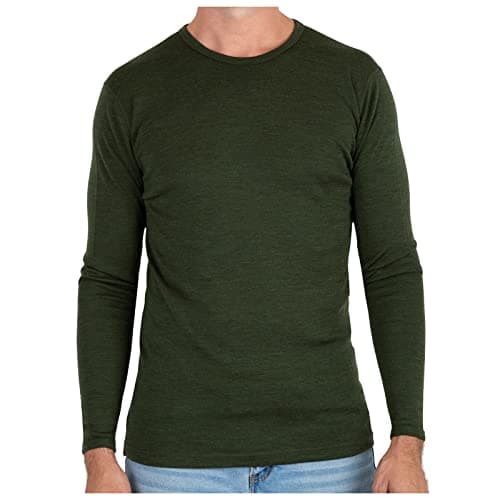
Here's the thing most people don't realize about hunting: the cold that beats a hunter isn't the cold you feel on a brisk walk. It's the cold that creeps in when you sit dead still in a tree stand or a blind for hours before first light, barely moving so you don't spook anything. Your body isn't generating heat, the chill soaks up through the seat, and a wind you'd shrug off on a hike slowly works its way to the bone. Staying warm on that kind of "still sit" is a real skill — and the right gear makes all the difference.
If you're shopping for a hunter, that's great news, because "help them stay warm" turns into some of the most genuinely-appreciated gifts you can give. This guide walks through exactly how a hunter keeps warm on a freezing sit, in plain English: the layering system that does the heavy lifting, why the base layer against the skin matters more than anything, how to warm the hands, head and feet that always go first, the little seat cushion that blocks cold from below, and the hot drink that resets everything. Along the way you'll see easy, giftable directions for each part — and if you want the shortlist version, our best gifts to keep a hunter warm roundup pulls the favorites together.
Start with the system, not the thickest coat
The instinct is to hand someone the puffiest coat you can find and call it done. But experienced hunters don't chase warmth with one big layer — they build a layering system, and understanding it in thirty seconds will make you a much smarter gift-giver. The idea is three cooperating layers, each with one job:
The base layersits against the skin and manages moisture — it pulls sweat away so the hunter stays dry, because damp skin is what actually makes you cold. The mid layer (a fleece, a wool sweater, a light puffy) is the insulation: it traps warm air like the filling of a sleeping bag. The outer layer is the shell that blocks wind and rain so the whole system keeps working. Warm air held still is what keeps a person warm; wind and moisture are what steal that heat away, and each layer exists to defeat one of those thieves.
Why does this matter when you're buying a gift? Because it tells you that a thoughtful, moderately-priced layer — a great base layer, a warm hat, a pair of insulated gloves — can be a better present than an expensive coat that might not fit or match what they already hunt in. You're adding a piece to a system, and almost every hunter has a gap in theirs.
The base layer: the piece that matters most
If you only improve one thing about how a hunter dresses for the cold, make it the base layer. It's the least glamorous item and the one hunters most often skimp on — which is exactly why it makes such a good gift. A quality base layer keeps the skin dry and adds a surprising amount of warmth for almost no bulk, so it slides under everything they already own without a second thought. Something like a merino wool base layer top feels nicer than most people would buy for themselves, which is the sweet spot for a present.
The big decision is merino wool versus synthetic, and it's worth knowing the trade-off before you buy. Merino is the natural-fiber favorite for cold, still hunting: it's warm, it keeps insulating even when slightly damp, and it famously resists odor, so a hunter can wear it on repeat trips without it turning ripe — a real plus for someone trying to stay scent-free around game. Synthetics dry faster and cost less, and they're tougher for high-output days. For the classic sit-still-and-freeze hunt, most people lean merino. There is also a comfort angle worth mentioning: good merino is soft and doesn't itch the way old-fashioned wool did, so even a hunter who swears they "can't wear wool" is usually won over the first cold morning they try it.
| Merino wool | Synthetic | |
|---|---|---|
| Best for | Cold, still sits where warmth and odor control matter | Active, high-sweat hunts and hard use |
| When damp | Keeps insulating even a little wet | Dries fastest, wicks quickly |
| Odor | Naturally resists odor over repeat wears | Holds odor sooner without treatment |
| As a gift | Feels like a nicer-than-they'd-buy treat | Practical, budget-friendly, hard-wearing |
You don't have to settle the debate to buy a great gift — either is a step up from a cotton undershirt, which is the one thing to avoid (more on that below). If you want the full breakdown before you decide, our merino vs. synthetic base layers guide lays out who each one suits.
Warm the extremities first: hands, head and feet
On a long sit, the cold almost always shows up first in the same places: fingers, ears and toes. They're far from the body's core, they don't move much, and once they go numb the whole hunt turns miserable. The happy news for a gift-giver is that these are exactly the small, affordable items that make wonderful presents — and most of them are the kind of thing a hunter never quite gets around to buying for themselves.
For the head, a warm knit hat is the highest-value, lowest-risk gift on this whole page — a classic like a Carhartt cuffed beanie can't really be gotten wrong, fits everyone, and comes from a brand every outdoorsman respects. For the hands, a pair of warm, waterproof insulated gloves keeps fingers working when it counts; look for something rugged enough for real field use rather than thin fashion gloves, and our best hunting gloves roundup covers the mitten-versus-glove decision and the picks that need no hand size at all. And for the feet— the extremity that suffers most on a frozen stand — battery-powered heated socks are the small luxury that feels almost magical on a freezing morning. They're the classic "never buys it for themselves, always thrilled to get it" gift.
Then there are hand warmers, the humble hero of cold-weather hunting. Disposable air-activated warmers are cheap, weightless, and beloved — a hunter tucks them in gloves, boots and pockets, and they're a perfect stocking stuffer that never misses. If you want to give something with more staying power, a rechargeable or refillable warmer lasts all day in a pocket and doubles as a keep-forever version of the same idea. Our best hand warmers for hunting guide compares the three types properly, and explains why a body warmer on the core often does more for cold fingers than a second hand warmer does. Bundle a few of these together and you've built a thoughtful little "keep warm" kit for very little. Plenty more along these lines live in our gifts for hunters under $50 list.
Block the cold you can't see: the seat
Here's the one most non-hunters never think of. When you sit for hours on a metal tree stand, a cold log, or the frozen ground of a blind, heat drains straight out of your body through the seat — the same way a warm drink goes cold fast on a cold countertop. A hunter can be layered up top and still be miserable simply because the cold is coming up from underneath.
The fix is almost comically simple and cheap: a foam seat cushionmade for hunting. It puts an insulating barrier between the hunter and the cold surface, so their body heat stays with them instead of bleeding into the metal or the mud. A cushion like a Therm-A-Seat is small, light enough to clip to a pack, and turns a bone-chilling stand into something a person can actually endure for the long, quiet hours when the good animals move. It's a tiny gift with an outsized payoff, and it's the kind of insider know-how that makes a present land like you really understand their world. It's especially clutch for anyone who hunts wet, cold ground — think of the folks on our gifts for duck hunters list, who are often sitting in a cold marsh before dawn.
The morale layer: something hot to drink
Warmth isn't only about what you wear. A few hours into a frozen sit, nothing resets a hunter like a mouthful of hot coffee or cocoa — it warms from the inside and lifts the spirit right when the cold is winning the argument. The catch is that a normal thermos or mug gives up the heat long before the hunt is over.
That's why an insulated tumbler is such a reliably loved gift. A vacuum-insulated cup like a YETI Rambler keeps coffee genuinely hot for hours in the blind, so that warm drink is still warm at the moment it's needed most. It's a crowd-pleaser that happens to work perfectly for a hunter and, honestly, for anyone — which makes it a safe pick when you're not totally sure what someone already owns. Pair it with a bag of good coffee and you've turned a practical gift into a warm little ritual. It's also the rare hunting gift that never gathers dust in the off-season, since the same tumbler rides along to work, to the ballgame and to the deer camp all year round.
Common mistakes that leave a hunter cold
Most cold-weather misery comes down to a handful of avoidable mistakes rather than not owning enough gear. Keep these in mind — both for the hunter you're shopping for and for understanding why the gifts above work.
What we like
- Start with a moisture-wicking base layer so sweat can't chill the skin
- Layer up so warmth can be added or shed as the day changes
- Cover the extremities early — hat, gloves, warm socks, hand warmers
- Put an insulating cushion between the body and any cold seat
- Carry something hot to drink to reset warmth and morale mid-sit
Worth knowing
- Wearing cotton against the skin — it holds sweat and steals heat
- One thick coat instead of a layering system you can adjust
- Overdressing on the walk in, sweating, then freezing once you sit still
- Forgetting the seat entirely and losing heat from underneath
- Ignoring the hands and feet until they're already numb
Notice how many of these are solved by inexpensive, giftable items rather than one big-ticket purchase. That's the real takeaway for a gift-giver: you don't need to buy the whole cold-weather kit to make a meaningful difference. Filling one gap — a better base layer, warm hands, a cushion for the stand — is often exactly what a hunter has been quietly going without.
Three pages go further on the specifics. Best hunting jackets sorts the outer layer by the weather each coat is actually for, and explains why one jacket cannot be right for both the walk in and the sit. How to stay warm in a ground blind covers the surprising case where shelter makes a hunter colder — a blind blocks the sun as well as the wind, and cold air pools at the floor where the boots are. And best heated hunting gear is for the point where more clothing stops helping, because a motionless body is barely producing heat to retain.
Feet are the part that usually goes first, and they have their own page: how to keep your feet warm hunting explains why sweat and a boot packed too tight cause more cold feet than thin insulation does.
Hands are the other extremity, and the same compression logic applies to them in a way most hunters get backwards. Best hunting gloves for cold weather explains why a thicker glove is usually the wrong purchase — a glove separates the fingers that would otherwise warm each other, and roughly doubles the surface area heat can leave through — and ranks mittens, a hand muff and battery heat as a system instead.
Frequently asked questions
What's the single best gift to keep a hunter warm?
A quality base layer is the highest-impact single piece, because it keeps the skin dry and adds warmth under everything they already own — and it's the item hunters most often skimp on. A merino wool base layer feels nicer than most people buy for themselves, which makes it a great present. If you'd rather give something small and universal, a warm knit hat or a set of hand warmers is nearly impossible to get wrong.
How does a hunter actually stay warm sitting still for hours?
With a layering system plus attention to the details that a still sit exposes. A moisture-wicking base layer keeps the skin dry, a mid layer traps warm air, and an outer shell blocks wind and rain. On top of that, hunters warm the extremities with a hat, gloves, warm socks and hand warmers, put an insulating cushion between themselves and the cold seat, and carry something hot to drink. It's the sitting-still part that makes the small details matter so much.
Merino wool or synthetic base layer — which should I buy?
For cold, still hunting, merino is the popular choice: it's warm, keeps insulating even when a little damp, and naturally resists odor over repeat wears, which helps a hunter stay scent-free. Synthetics dry faster, cost less, and shine on high-sweat, active days. Either is a big upgrade over a cotton undershirt. Our merino vs. synthetic base layers guide breaks down who each one suits.
Why does a seat cushion matter for staying warm?
Because a lot of heat drains straight out of the body through whatever a hunter is sitting on — a metal tree stand, a cold log, or frozen ground. A foam hunting seat cushion puts an insulating barrier between the body and that cold surface, so body heat stays with the hunter instead of bleeding away. It's cheap, light, and one of the most-appreciated small gifts because most non-hunters never think of it.
What should a hunter avoid wearing in the cold?
Cotton against the skin is the main one — it soaks up sweat and holds it, which chills the body once you stop moving. It's also a mistake to rely on one thick coat instead of adjustable layers, and to overdress on the walk in, sweat, then freeze once you sit still. Dressing so you can add or shed layers, and keeping a dry base layer next to the skin, prevents most cold-weather misery.