Gear Guides
The Best Hunting Backpack for Elk Hunting
Every other hunting pack carries gear in. An elk pack has to carry an animal out, in pieces, over several trips - and that one requirement rules out most of the packs sold as hunting packs.
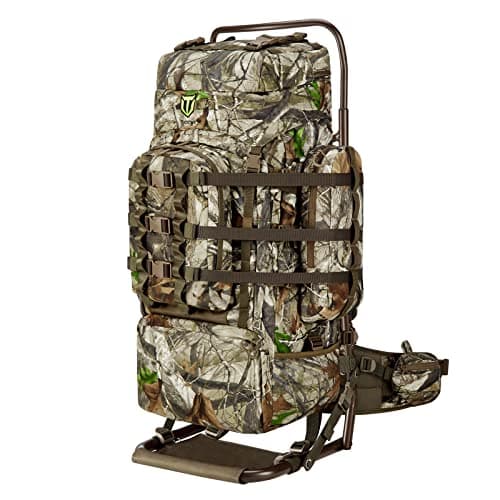
For elk, buy the TIDEWE 90L external frame pack. It is the only pick here built to carry a heavy, awkward load of meat off a mountain, and that — not how much gear it holds on the way in — is what an elk pack is for. If the hunter already owns a frame or hunts elk from a truck and a trail, a 40L day pack is the right second pack and sometimes the only one they need. Both answers are below.
Elk hunting breaks the normal pack logic in one specific way. A whitetail hunter walks in half a mile, sits, and either drags a deer out whole or quarters it near a vehicle. An elk hunter may be miles in, and a mature elk is several hundred pounds of animal that has to leave the mountain on somebody's back over multiple trips. The pack is not luggage at that point, it is load-bearing equipment, and the thing that decides whether it works is the frame and the hip belt rather than the pockets.
That is also why this page is short on brand argument and long on capacity and construction. If you want the category ranked for hunting generally, our best hunting backpacks roundup does that, and what size hunting pack do I need translates liters into trips. Prices below are pulled live from Amazon.
- 1TIDEWE 90L External Frame Hunting PackThe pick, and the only one here that answers the question the page asks. An external frame pack exists to carry weight that a soft daypack cannot: the frame transfers the load onto the hips and holds it away from the back, and it gives you something rigid to lash meat, a quarter or a boned-out load to. At 90 liters it also swallows a multi-day camp on the way in, which matters because backcountry elk hunting is usually a camping trip with a hunt inside it. Buy this one if the hunter goes past where a vehicle can reach. Honest cons: it is far more pack than a day hunt needs and unpleasant to carry nearly empty; an external frame is bulkier and noisier through brush than a close-fitting soft pack; and a loaded frame pack is genuinely hard work, which no pack can fix - the frame just makes it possible.Best for: Best for packing elk out
- 2
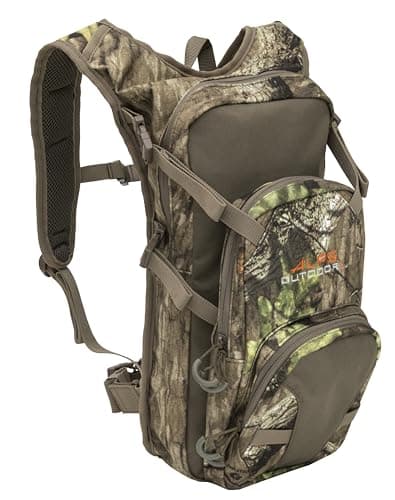 ALPS OutdoorZ Willow Creek Hunting PackThe sensible middle for a hunter who hunts elk the way most people actually do - in from a trailhead, back out the same day, with a plan to return with help and a frame if an animal goes down. The Willow Creek is a purpose-built hunting pack with room for layers, food and the bulk of what a mountain day demands, and ALPS OutdoorZ has built its reputation in exactly this part of the market rather than at the flagship end. It is the pack that gets used on the ninety percent of elk days where nothing is carried out. Honest cons: it is a gear pack, not a meat hauler - do not expect it to carry a quarter; and a hunter heading into real backcountry will still need the frame pack as well, which makes this the second purchase rather than the first.Best for: Best all-round elk-country pack
 - 3
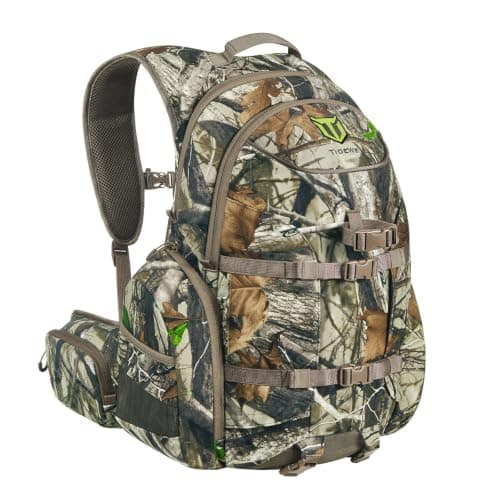 TIDEWE 40L Hunting BackpackForty liters is the size most hunters reach for on a long day in the mountains: enough for the layers elk country demands, water, food, a kill kit and game bags, without the dead weight of capacity nobody uses. For a hunter who hunts public-land elk on day trips from a camp or a truck, this plus a frame pack borrowed or bought later is a more honest setup than one big pack used badly. Honest cons: 40L is not a camp - an overnight in elk country needs more; it is a soft pack, so the meat-hauling job is still unsolved; and the pack that fits a day hunt perfectly is the pack that is too small on the one day it matters most.Best for: Best day pack for elk country
 - 4
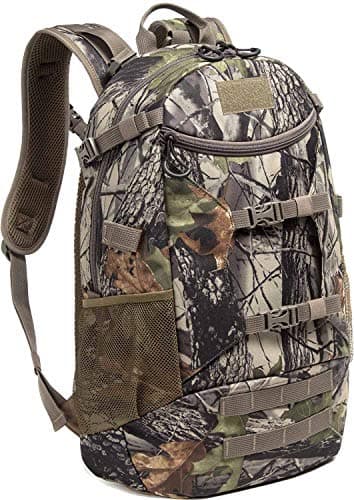 AIRTTUZ Camo Hunting Daypack (with Rain Cover)The low-risk option for a hunter trying their first elk season, or for a gift where you do not yet know how committed they are. It is an inexpensive camo daypack in quiet fabric with a rain cover and a pull-down gun pocket, which covers a day hunt properly while leaving the budget for the things that matter more on an elk hunt - boots, a rangefinder and good game bags. Honest cons: this is a budget pack and the suspension reflects it, which you will feel on a long carry; it has no business carrying meat; and the fabric and zips are the first things to go on a pack at this price, so treat it as the pack that proves whether the hunter needs a better one.Best for: Best cheap first pack
| # | Gift | Best for | Price |
|---|---|---|---|
| 1 | TIDEWE 90L External Frame Hunting PackThe pick, and the only one here that answers the question the page asks. An external frame pack exists to carry weight that a soft daypack cannot: the frame transfers the load onto the hips and holds it away from the back, and it gives you something rigid to lash meat, a quarter or a boned-out load to. At 90 liters it also swallows a multi-day camp on the way in, which matters because backcountry elk hunting is usually a camping trip with a hunt inside it. Buy this one if the hunter goes past where a vehicle can reach. Honest cons: it is far more pack than a day hunt needs and unpleasant to carry nearly empty; an external frame is bulkier and noisier through brush than a close-fitting soft pack; and a loaded frame pack is genuinely hard work, which no pack can fix - the frame just makes it possible. | Best for packing elk out | $159.99View on Amazon |
| 2 | ALPS OutdoorZ Willow Creek Hunting PackThe sensible middle for a hunter who hunts elk the way most people actually do - in from a trailhead, back out the same day, with a plan to return with help and a frame if an animal goes down. The Willow Creek is a purpose-built hunting pack with room for layers, food and the bulk of what a mountain day demands, and ALPS OutdoorZ has built its reputation in exactly this part of the market rather than at the flagship end. It is the pack that gets used on the ninety percent of elk days where nothing is carried out. Honest cons: it is a gear pack, not a meat hauler - do not expect it to carry a quarter; and a hunter heading into real backcountry will still need the frame pack as well, which makes this the second purchase rather than the first. | Best all-round elk-country pack | $78.99View on Amazon |
| 3 | TIDEWE 40L Hunting BackpackForty liters is the size most hunters reach for on a long day in the mountains: enough for the layers elk country demands, water, food, a kill kit and game bags, without the dead weight of capacity nobody uses. For a hunter who hunts public-land elk on day trips from a camp or a truck, this plus a frame pack borrowed or bought later is a more honest setup than one big pack used badly. Honest cons: 40L is not a camp - an overnight in elk country needs more; it is a soft pack, so the meat-hauling job is still unsolved; and the pack that fits a day hunt perfectly is the pack that is too small on the one day it matters most. | Best day pack for elk country | $64.99View on Amazon |
| 4 | AIRTTUZ Camo Hunting Daypack (with Rain Cover)The low-risk option for a hunter trying their first elk season, or for a gift where you do not yet know how committed they are. It is an inexpensive camo daypack in quiet fabric with a rain cover and a pull-down gun pocket, which covers a day hunt properly while leaving the budget for the things that matter more on an elk hunt - boots, a rangefinder and good game bags. Honest cons: this is a budget pack and the suspension reflects it, which you will feel on a long carry; it has no business carrying meat; and the fabric and zips are the first things to go on a pack at this price, so treat it as the pack that proves whether the hunter needs a better one. | Best cheap first pack | $32.99View on Amazon |
Prices from Amazon as of October 5, 2026 and change often — the button always opens the current listing. Some links earn us a commission at no extra cost to you.
TIDEWE 90L External Frame Hunting Pack
The pick, and the only one here that answers the question the page asks. An external frame pack exists to carry weight that a soft daypack cannot: the frame transfers the load onto the hips and holds it away from the back, and it gives you something rigid to lash meat, a quarter or a boned-out load to. At 90 liters it also swallows a multi-day camp on the way in, which matters because backcountry elk hunting is usually a camping trip with a hunt inside it. Buy this one if the hunter goes past where a vehicle can reach. Honest cons: it is far more pack than a day hunt needs and unpleasant to carry nearly empty; an external frame is bulkier and noisier through brush than a close-fitting soft pack; and a loaded frame pack is genuinely hard work, which no pack can fix - the frame just makes it possible.
#ad · Price as of October 5, 2026. We may earn a commission.
ALPS OutdoorZ Willow Creek Hunting Pack
The sensible middle for a hunter who hunts elk the way most people actually do - in from a trailhead, back out the same day, with a plan to return with help and a frame if an animal goes down. The Willow Creek is a purpose-built hunting pack with room for layers, food and the bulk of what a mountain day demands, and ALPS OutdoorZ has built its reputation in exactly this part of the market rather than at the flagship end. It is the pack that gets used on the ninety percent of elk days where nothing is carried out. Honest cons: it is a gear pack, not a meat hauler - do not expect it to carry a quarter; and a hunter heading into real backcountry will still need the frame pack as well, which makes this the second purchase rather than the first.
#ad · Price as of October 5, 2026. We may earn a commission.
TIDEWE 40L Hunting Backpack
Forty liters is the size most hunters reach for on a long day in the mountains: enough for the layers elk country demands, water, food, a kill kit and game bags, without the dead weight of capacity nobody uses. For a hunter who hunts public-land elk on day trips from a camp or a truck, this plus a frame pack borrowed or bought later is a more honest setup than one big pack used badly. Honest cons: 40L is not a camp - an overnight in elk country needs more; it is a soft pack, so the meat-hauling job is still unsolved; and the pack that fits a day hunt perfectly is the pack that is too small on the one day it matters most.
#ad · Price as of October 5, 2026. We may earn a commission.
AIRTTUZ Camo Hunting Daypack (with Rain Cover)
The low-risk option for a hunter trying their first elk season, or for a gift where you do not yet know how committed they are. It is an inexpensive camo daypack in quiet fabric with a rain cover and a pull-down gun pocket, which covers a day hunt properly while leaving the budget for the things that matter more on an elk hunt - boots, a rangefinder and good game bags. Honest cons: this is a budget pack and the suspension reflects it, which you will feel on a long carry; it has no business carrying meat; and the fabric and zips are the first things to go on a pack at this price, so treat it as the pack that proves whether the hunter needs a better one.
#ad · Price as of October 5, 2026. We may earn a commission.
What makes an elk pack different
Four things, and the first two do all the work.
A frame, and a hip belt that actually transfers load. Weight on the shoulders is weight the shoulders carry. Weight on a frame with a proper hip belt becomes weight the legs carry, which is where the strength is. This is the single reason frame packs exist and the single reason a soft daypack fails at the elk job no matter how many liters it claims.
Somewhere to put meat. A load shelf, a meat shelf, or simply a rigid frame with compression straps that lets you lash a boned-out load between the frame and your back. Game bags go on the outside of a pack, not inside it with your food and clothing.
Capacity that matches the trip, not the animal.A day hunt is 30 to 45 liters. Multiple nights in elk country is 65 liters and up. The animal does not set the capacity — the frame does.
Quiet, and no bounce. Elk live in timber. A pack that rattles, squeaks or swings on a sidehill is a pack that costs opportunities, and compression straps that pull the load tight against the frame matter more than most hunters expect.
Capacity, construction and what each pack is for
| Pack | Capacity | Carries meat? | Best for |
|---|---|---|---|
| TIDEWE 90L external frame | 90 L | Yes - this is its job | Backcountry elk, and the pack-out |
| ALPS OutdoorZ Willow Creek | Day-hunt capacity | No | The all-round elk-country day |
| TIDEWE 40L hunting pack | 40 L | No | Long day hunts from camp or a truck |
| AIRTTUZ camo daypack | Daypack capacity | No | A first season, on a budget |
Two notes on reading that table. First, the liter figure is the only hard number here, and we have not invented one for the packs whose manufacturers do not publish a capacity. Second, "carries meat" is a yes/no about design rather than a weight rating: an external frame is built to be loaded, and a soft daypack is not, and no amount of cinching changes that.
What goes in an elk pack that does not go in a deer pack
The pack-out is the part first-time elk hunters underestimate, and most of the extra kit is about that.
Game bags, more than you think. Breathable bags keep meat clean and let it cool, and an elk needs several. They weigh nothing and they are the difference between meat you can eat and meat you have ruined.
A knife you can resharpen in the field, or spare blades. Breaking down an elk is a far longer job than field-dressing a deer, and a blade that quits halfway is a genuine problem miles from a truck. A replaceable-blade knife or a pocket sharpener solves it; our best skinning knives roundup covers both approaches and how to sharpen a hunting knife covers the skill.
More water capacity, and more layers. Elk country is higher, drier and colder than most whitetail ground, and the temperature swing between a dawn sit and a midday climb is large enough that one jacket is not a plan.
A headlamp, and then a second one. Quartering an elk at last light turns into quartering an elk in the dark, and then walking out in it. See best hunting headlamps and red or green light for hunting for which mode to use on the way out.
There is a fuller list in what to pack in a hunting backpack, which covers the day-hunt loadout the elk kit is built on top of.
Buying an elk pack as a gift
Packs are one of the better big hunting gifts, because unlike boots and clothing there is no size to get wrong — torso length adjusts on anything worth buying, and a pack that is slightly off still works. Two pieces of advice specific to elk.
Do not buy the frame pack as a surprise if they already hunt elk seriously. A committed elk hunter has usually already settled this argument with themselves and has opinions about frames. For that hunter, game bags, a better knife, a rangefinder or a headlamp are gifts that land every time.
Do buy the day pack for somebody heading into their first elk season. A 40-liter hunting pack is close to universally useful, costs less than the frame pack, and is the one they will use on every day that does not end with an animal on the ground. See gifts for elk hunters for what else sits alongside it, and hunting gifts under $100 if that is the budget.
How we chose these
No test lab, and no pretending otherwise. Capacities and construction details above are the manufacturers' own published figures, cited below; the rankings are reasoning from how each pack is built against the one job that defines an elk pack. Nothing here has been given a rating, a score or an award, because we have not run a test to earn one. Our method is on the how we choose page, and prices are live and dated.
Keep browsing
Best hunting backpacks ranks the field for hunting generally, how to choose a hunting backpack covers fit and suspension, and what size hunting pack do I need is the capacity question on its own. For the rest of an elk setup, best hunting rangefinders and best hunting boots for cold weather cover the two pieces of kit that matter most on a mountain.
Frequently asked questions
What size backpack do I need for elk hunting?
Two numbers, because elk hunting is two jobs. A long day hunt from a truck or camp wants roughly 30 to 45 liters. Several nights in the backcountry wants 65 liters or more. Neither figure is set by the size of the animal - what carries an elk out is a frame and a hip belt, not capacity, which is why many elk hunters run a day pack for hunting and a frame pack for hauling.
Do I need an external frame pack for elk hunting?
If you hunt beyond where a vehicle can reach, effectively yes. A frame transfers a heavy load onto your hips and legs, holds it off your back, and gives you something rigid to lash meat to - and a mature elk leaves the mountain in several loads. A soft daypack is not built to be loaded like that no matter how many liters it holds.
Can one backpack do both the hunting and the pack-out?
Some can, but one pack rarely does both jobs well. A pack big enough to haul meat is more pack than anyone wants to carry empty for nine days, and a pack light enough to hunt in all week is not built to carry a quarter. The common setup is a day pack for hunting plus a frame pack left at camp or in the truck until an animal is down.
What should I carry in an elk pack that I would not carry for deer?
Several breathable game bags, a knife you can resharpen in the field or one with replaceable blades, more water capacity, more layers for the temperature swing at elevation, and two headlamps - because quartering an elk at last light becomes quartering an elk in the dark and then walking out in it.
Is an elk hunting backpack a good gift?
Yes, and better than most big hunting gifts, because there is no size to guess - torso length adjusts on any pack worth buying. Give a 40-liter day pack to somebody heading into a first elk season. For a committed elk hunter who already has opinions about frames, game bags, a better knife or a headlamp land more reliably than a pack does.
How heavy is a loaded elk pack?
Heavy enough that the frame is the point. We do not publish a weight figure here because it depends entirely on the animal, how it is broken down and how many trips are made - and any specific number would be invented. What is worth knowing is that it takes multiple trips for one elk, and that a frame and hip belt are what make those trips possible rather than merely unpleasant.
Sources
- TIDEWE - published product information for the 90L external frame hunting pack
- ALPS OutdoorZ - hunting pack range and published specifications
- TIDEWE - published product information for the 40L hunting backpack
- AIRTTUZ - published product information for the camo hunting daypack with rain cover
- U.S. Fish & Wildlife Service - hunting overview (context on regulated hunting in the United States)