Gear Guides
How to Break In Hunting Boots
Nobody breaks in a boot. You break in a foot, and you let a boot take the shape of it. Getting that backwards is how people end up soaking new leather in a bathtub - here is the method that actually works, and how long it honestly takes.
Every season a lot of good hunting boots get ruined in the first week they are owned, by people trying to be helpful. Boots get soaked in water, baked on a heater, stuffed with wet newspaper, or walked twenty miles on day one. Then opening morning arrives and the hunter has blisters, and the boots get blamed.
Break-in is real, but it is a narrower process than folklore suggests, and knowing what it actually involves saves both the boot and the foot.
What actually breaks in, and what never will
A modern hunting boot is several different materials doing different jobs, and only some of them change shape with use.
Leather uppers do break in. Full-grain leather flexes, softens at the crease points and gradually takes an impression of the foot inside it. This is the part the folklore is about, and it is genuine.
Footbeds and midsoles compress. The cushioning under the foot packs down slightly in the first several wears and the boot starts to feel like it fits better. That is compression, not stretching.
Synthetic uppers, rubber and waterproof membranes essentially do not. A rubber boot is the shape it is on day one and will be that shape in year five. A nylon-and- synthetic hiking-style hunting boot softens a little at the flex points and no more.
Length never changes.This is the important one. A boot can relax across the width and around the instep. It cannot get longer. If a new boot is short, it is the wrong boot, and no amount of walking will fix it — return it.
What to look for before you start
Three things decide whether break-in will be easy, miserable, or unnecessary, and they are worth checking before the first walk rather than after the first blister.
The material. Heavy full-grain leather needs the most time. A synthetic hiking-style boot needs very little. Rubber needs none. If somebody is buying boots close to the season, material choice matters more than any technique on this page.
The sock they will actually hunt in.This is the single most overlooked variable, and it does about half the work. A boot fitted over a thin cotton sock and then hunted in a heavyweight wool one is effectively a different boot — tighter, colder and more likely to blister. Break the boot in wearing the exact sock that will be worn on opening morning, and use a liner underneath if sweat is a known problem.
Whether they fit at all.Heel lift of more than a small amount, pressure over the top of the foot, or toes touching the end are fit problems, not break-in problems. Boots are one of the hardest things on this site to buy for someone else for exactly this reason — which is why the picks below lead with socks rather than footwear.
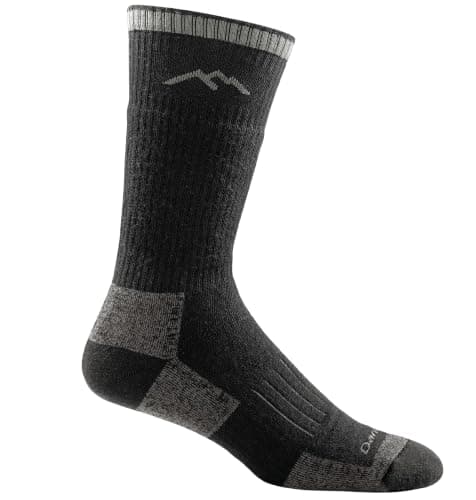
Darn Tough Hunting Boot Sock (2012)
Break the boot in wearing the sock that will be hunted in, and this is the one we would choose. Darn Tough publishes a 68% merino wool / 29% nylon / 3% Lycra blend, midweight with full cushion through the whole sock, at boot height, knit in Northfield, Vermont, and backed by an unconditional lifetime guarantee. Midweight is the right thickness for break-in specifically, because it gives cushion without overstuffing a boot that has not relaxed yet. Honest cons: it costs several times what a bag of ordinary boot socks does, and full cushion is deliberately thick - if the boots already fit snugly, this is the wrong sock to break them in with.
#ad · Price as of Sep 17, 2026. We may earn a commission.
Fox River Castile Light Merino Liner Socks
The specific fix for break-in blisters, and almost nobody owns one. A liner is a thin sock worn under a thicker one: it moves sweat off the skin and lets the two fabric layers slide against each other instead of the sock sliding against skin, which is the mechanism behind most blisters. During break-in, when a stiff boot is rubbing in places it will not rub in a month, that matters more than at any other time. Fox River publishes 65% merino wool / 34% nylon / 1% spandex for the Castile Light, ultra-lightweight, with a reinforced heel and toe and a flat toe seam. Honest cons: it is not a gift on its own, it adds bulk inside a boot that is already tight, and it only helps if both layers actually get worn.
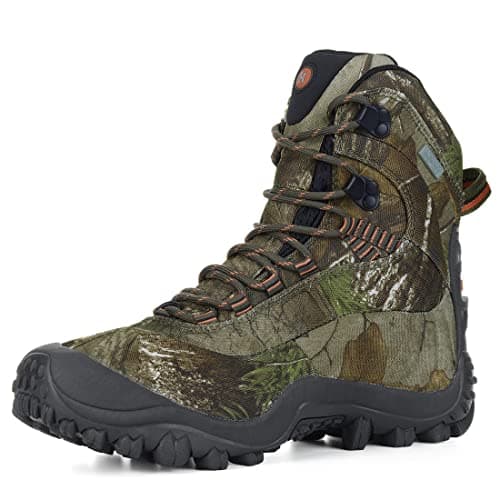
XPETI Thermator Insulated Waterproof Boot
The boot that sidesteps most of this. This is the hiking-boot shape rather than the tall hunting-boot shape - mid-rise, lighter on the foot, waterproof, with modest insulation and a camo finish - and synthetic hiking-style boots need far less break-in than heavy full-grain leather because there is far less material that has to relax. For anyone buying close to the season, or buying for a hunter who covers ground rather than sits, that is a real advantage rather than a compromise. Honest cons: less insulation than a dedicated cold-weather boot, a lower cut gives less ankle support on bad ground, and synthetic uppers will never mould to a foot the way leather eventually does.
#ad · Price as of Sep 17, 2026. We may earn a commission.
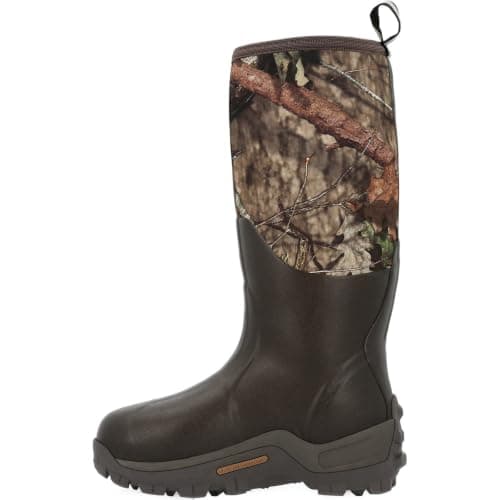
Muck Boot Woody Max Hunting Boot
The break-in question does not apply to rubber at all, which is worth knowing if the deadline is tight. A rubber boot is the shape it is on day one - there is nothing to soften and nothing to mould - so it is either comfortable immediately or it is the wrong size. Muck is the name the wet-ground crowd trusts, and a rubber boot is waterproof by construction rather than by treatment, with no seam to fail. Honest cons: no break-in also means no personalisation, so if it rubs on day one it will rub forever; rubber is warmer and sweatier than leather on a long walk; and there is far less ankle support than a lace-up boot gives.
The method
There is no clever trick here, which is exactly why it works. The whole method is progressive loading: ask a little more of the boot and the foot each time.
Days one to three: wear them indoors.An hour or two around the house, with the hunting sock on and the laces done up properly. Carpet does not scuff the sole, so the boots stay returnable if the fit turns out to be wrong — and this is the stage where you find that out.
Days four to ten: short walks, no load. A mile or two on level ground. Enough to work the flex points at the ball of the foot and the ankle without giving blisters time to form.
Week two onwards: add distance, then add ground. Longer walks first, then uneven terrain, then hills. Downhill is what finds a heel-fit problem and it is the last thing to introduce, not the first.
Week three: add the pack. Weight changes how a foot sits in a boot. If they will be carrying one, the boots need to have carried one before opening day.
Stop at any sign of a hot spot rather than pushing through it. A hot spot is the stage before a blister, and it is the only warning you get.
Things people do that make it worse
Soaking the boots and walking them dry. The most popular piece of bad advice in the category. Water does soften leather, and it also strips its natural oils, degrades adhesives and can cook a waterproof membrane. It ages the boot years in one afternoon in exchange for a few days of break-in.
Heat. Drying boots on a radiator, in front of a fire, or with a hairdryer. Heat is what makes leather brittle and what delaminates glued soles. Wet boots dry at room temperature, unlaced, with the insoles pulled out, and newspaper inside if they are properly soaked.
Too much conditioner, too early.Leather conditioner is for a boot that has dried out over a season, not for a new one. Over-oiling softens the structure that provides support and can interfere with a waterproof membrane. Follow the manufacturer's guidance rather than the internet's.
One enormous walk. Ten miles on day one does not accelerate anything. It produces blisters, which then stop the person walking at all for a week.
Breaking them in without the hunting sock. Covered above and worth repeating, because it quietly undoes all the rest.
Lacing, which fixes more than break-in does
A surprising share of "these boots need breaking in" is really "these boots are laced badly". Two adjustments solve most of it.
Heel lock.If the heel lifts, the fix is not a tighter boot overall; it is a heel-lock or surgeon's knot at the ankle hooks, which anchors the heel down while leaving the forefoot room. Heel lift is the single largest cause of blisters on a hunt.
Two-zone lacing. Lace the lower section to comfortable rather than tight and the upper section firmly, and tie off in between. Pressure across the top of the foot usually comes from one over-tightened section rather than from the boot being the wrong shape.
Buying boots for someone else
Honest advice, on a site about buying gifts: hunting boots are one of the riskiest presents here. They need an exact size, they need to fit a foot shape you cannot see, and if they are wrong they need break-in time the recipient may not have before the season.
If you are set on it, favour the forgiving options — rubber boots, which are either right or not with no ambiguity, or a synthetic hiking-style boot that needs almost no break-in — and keep the receipt. Our best hunting boots roundup covers the field, how to choose hunting boots explains insulation and fit, and rubber vs leather settles which family you are shopping in.
The safer version of this gift is socks. They come in forgiving size ranges, a hunter cannot own too many good pairs, and most are still wearing cotton — our best hunting socksguide has the full list, and it is the thing that would improve most hunters' existing boots more than new boots would.
How we chose the picks above
We do not run a test lab and we do not pretend to. Every fibre content and construction detail quoted here is the manufacturer's own published figure, cited in the sources below, and the break-in guidance is the conventional practice recommended by boot makers rather than a claim about our own miles. Our method is on the how we choose page, and prices are pulled live and dated.
Frequently asked questions
How long does it take to break in hunting boots?
It depends almost entirely on the material. A synthetic hiking-style hunting boot needs a few walks. A heavy full-grain leather boot realistically wants three to four weeks and somewhere around twenty to thirty miles of progressively harder walking. Rubber boots need none at all - they are the shape they are on day one.
How do you break in hunting boots fast?
Progressively, not aggressively. Wear them indoors for a few days, then take short level walks, then longer ones, then hills, then add the pack - stopping at any hot spot rather than pushing through. If the season is two weeks away, the honest shortcut is not a technique, it is buying a synthetic or rubber boot that needs almost no break-in.
Should you soak hunting boots to break them in?
No. Water does soften leather, and it also strips its natural oils, degrades adhesives and can damage a waterproof membrane - ageing the boot years in an afternoon to save a few days of walking. Heat is worse: radiators, fires and hairdryers make leather brittle and delaminate glued soles.
Do hunting boots stretch?
They relax across the width and around the instep, and the footbed compresses so the boot feels better underfoot. They do not get longer. If your toes touch the end of a new boot, that is a sizing problem rather than a break-in problem and no amount of walking will fix it.
Why do my hunting boots give me blisters?
Most often heel lift or the wrong sock rather than the boot itself. A heel-lock knot at the ankle hooks anchors the heel while leaving the forefoot room, and a thin liner sock under the main sock lets the two fabric layers slide against each other instead of the sock sliding against skin. Both fix more blisters than more break-in does.
Do rubber hunting boots need breaking in?
No. There is nothing in a rubber boot that softens or moulds, so it is either comfortable on day one or it is the wrong size - which makes rubber the sensible choice when the season is close. The trade is that it never personalises to the foot the way leather eventually does.
Sources
- Darn Tough - Hunting Boot Sock (2012) published specifications: 68% merino / 29% nylon / 3% Lycra, midweight full cushion, knit in Northfield, Vermont, guaranteed for life
- Fox River - Castile Light ultra-lightweight crew liner sock: 65% merino / 34% nylon / 1% spandex, reinforced heel and toe, flat toe seam
- The Original Muck Boot Company - men's hunting boot range, published construction and materials
- Irish Setter Boots - published care and conditioning guidance for leather hunting boots