Gear Guides
The Best Binoculars for Elk Hunting
Elk hunting is glassing with walking in between. That makes binoculars the most-used piece of gear on the mountain, and it changes what you should buy: more magnification than a whitetail hunter needs, and a harness so they are actually around the hunter's neck at first light.
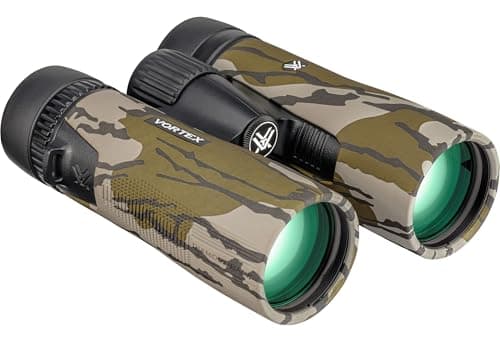
The verdict: the Vortex Diamondback HD 10x42is the pick for an elk hunter — the magnification westerners actually use, in the body size that still hangs on a chest all day, from the brand whose unlimited, unconditional, transferable VIP warranty means a cracked lens on a mountain is an inconvenience rather than a replacement purchase. It suits the hunter who will spend real hours behind glass on open slopes and burns. The budget pick is the Athlon Neos G2 HD 10x42, which gets you the same 10x42 format for well under half the money and is the honest answer for a first elk hunt or a gift where you are not sure how serious the hunting is.
Here is what makes elk different from every other binocular decision on this site. A whitetail hunter uses binoculars in short bursts to check a field edge or confirm antlers — forty seconds at a time, a dozen times a morning. An elk hunter sits down on a ridge, picks a slope apart square by square, and does that for two or three hours before breakfast. Everything follows from that: magnification you would not want on a deer stand becomes essential, eye comfort over an hour matters more than any number on the box, and the weight question is no longer about the binoculars but about how they are carried.
One honest caveat on the whole category. Binocular marketing runs on numbers that are hard to verify and easy to misread, and we are not going to repeat lab figures we cannot source. What we judge instead is format, build, brand warranty and fit to the job — the things a buyer can actually check. Prices are pulled live and dated; the button always opens the current listing.
- 1Vortex Diamondback HD 10x42 BinocularsFor the hunter who is going to glass seriously. The Diamondback HD in 10x42 is the configuration most western hunters settle on after they have owned something else: enough magnification to judge an animal across a drainage, in a 42mm body that still rides on a chest harness without becoming the reason they leave it in the pack. The real argument for it over cheaper 10x42s is Vortex's VIP warranty - unlimited, unconditional and transferable, with no proof of purchase required - which is the single most valuable feature a piece of glass can carry when it is going up a mountain in a pack with a rifle. Honest cons: it is the most expensive pick here by a wide margin; 10x is harder to hold steady than 8x, so a hunter with shaky hands or no tripod will see more wobble; and HD glass at this tier is a real improvement over budget glass but it is not alpha European glass, and anyone expecting that will be disappointed.Best for: Best overall for elk - the one to buy if you buy one
- 2
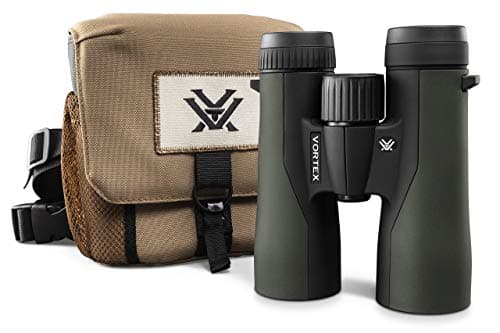 Vortex Crossfire HD 10x42 BinocularsThe sensible middle for most people. The Crossfire HD 10x42 is the same format and the same unconditional VIP warranty as the Diamondback in a lower-priced body, which makes it the pick for a hunter who wants the western 10x42 standard and a brand that will replace the thing if it breaks, without the Diamondback's price. For a first serious pair, this is a very hard purchase to regret. Honest cons: the optical difference between Crossfire and Diamondback is real and shows up exactly when it matters most, in the last ten minutes of legal light; the body is a little less refined in the hand; and at this price the included accessories are basic rather than good.Best for: Best value - same warranty, half the glass budget
- 3
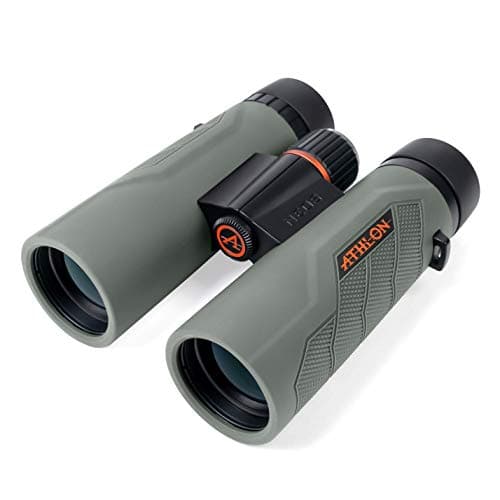 Athlon Neos G2 HD 10x42 BinocularsThe cheapest pick on this page, and the one we would buy for a hunter whose first elk hunt may also be their last. The Neos G2 HD 10x42 gives you the correct format for open-country glassing at an entry price, and the correct format matters more than almost anything else: a cheap 10x42 will find elk that an expensive 8x32 will not, because the magnification and the objective are doing the work. Athlon also backs its glass with a lifetime warranty, which is unusual at this money. Honest cons: budget glass loses light at dawn and dusk, which is precisely when elk are visible, so expect to stop glassing earlier in the evening than a Diamondback owner does; chromatic fringing on high-contrast edges is more noticeable; and a cheaper hinge and focus wheel will feel looser after a hard season.Best for: Budget pick - cheapest 10x42 here that honestly does the job
- 4
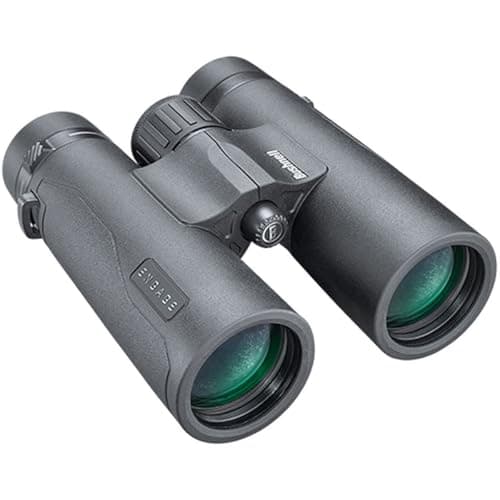 Bushnell Engage X 10x42 BinocularsHere for the hunter who would rather not own a Vortex, which is a more common preference than optics forums admit. The Engage X 10x42 is Bushnell's version of the same answer - full-size 42mm objectives, 10x magnification, a mainstream brand with a long warranty and a dealer network - and at this price it competes directly with the Crossfire. Buying across brands is also the sane move if the hunter already owns a Vortex rangefinder or scope and wants a second opinion on glass rather than a matched set. Honest cons: Bushnell's warranty terms are good but not the no-questions-asked arrangement Vortex is famous for; the model line has been revised often enough that reviews of similarly named products may not describe this one; and as with every pick here, published optical figures are not independently verified.Best for: Best alternative at the same money - a different brand's take
- 5
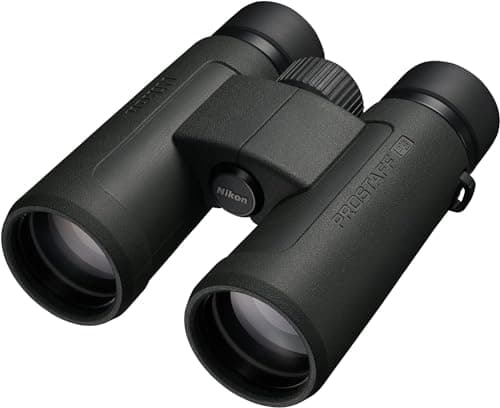 Nikon PROSTAFF P3 8x42 BinocularsThe deliberate 8x on a page about 10x, and it is here for two real reasons. First, elk hunting is not all open slopes: a hunter working black timber, dark north faces or a wallow at close range is better served by a wider field of view and a brighter image than by magnification they cannot use at sixty yards. Second, 8x is meaningfully easier to hold steady, so an older hunter, a younger one, or anyone glassing handheld without a tripod will often see more detail through an 8x than a 10x simply because the image is not moving. The ProStaff P3 is Nikon's entry full-size model and benefits from a lens maker's reputation. Honest cons: 8x is genuinely limiting across a wide canyon, which is the signature elk shot; it is not the format most western hunters recommend; and anyone who plans to tripod-mount and grid-glass should buy the 10x instead.Best for: Best for black timber, and for a hunter who cannot hold 10x steady
- 6
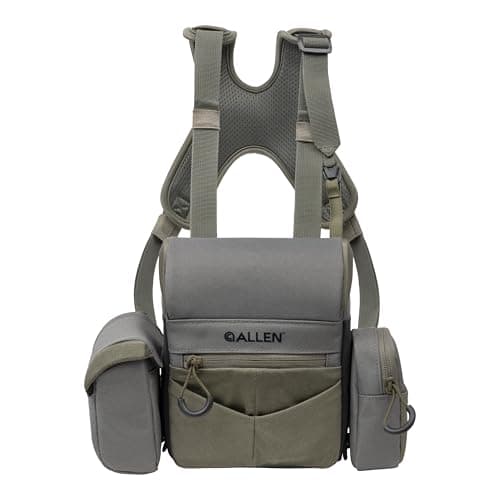 Allen Company Altitude Bino HarnessBuy this with whichever pair you choose. The most common way an expensive pair of binoculars fails an elk hunter is that they live in the pack, because on a neck strap they swing, bang into a rifle, bounce on every step and press on the neck until the hunter gives up and puts them away - and a hunter who is not glassing is hunting with their eyes. The Allen Altitude is a chest harness with a dedicated tethered rangefinder pouch, which is the right combination for elk specifically, because range matters more in open country than it does in a deer woods. Honest cons: it is an accessory, not a gift on its own; harness fit is the whole game and 'fits most binoculars' is not a specification - measure before buying for someone else; and the same part number has been sold under a different name elsewhere, which makes reviews confusing.Best for: The accessory that decides whether any of this gets used
| # | Gift | Best for | Price |
|---|---|---|---|
| 1 | Vortex Diamondback HD 10x42 BinocularsFor the hunter who is going to glass seriously. The Diamondback HD in 10x42 is the configuration most western hunters settle on after they have owned something else: enough magnification to judge an animal across a drainage, in a 42mm body that still rides on a chest harness without becoming the reason they leave it in the pack. The real argument for it over cheaper 10x42s is Vortex's VIP warranty - unlimited, unconditional and transferable, with no proof of purchase required - which is the single most valuable feature a piece of glass can carry when it is going up a mountain in a pack with a rifle. Honest cons: it is the most expensive pick here by a wide margin; 10x is harder to hold steady than 8x, so a hunter with shaky hands or no tripod will see more wobble; and HD glass at this tier is a real improvement over budget glass but it is not alpha European glass, and anyone expecting that will be disappointed. | Best overall for elk - the one to buy if you buy one | $279.00View on Amazon |
| 2 | Vortex Crossfire HD 10x42 BinocularsThe sensible middle for most people. The Crossfire HD 10x42 is the same format and the same unconditional VIP warranty as the Diamondback in a lower-priced body, which makes it the pick for a hunter who wants the western 10x42 standard and a brand that will replace the thing if it breaks, without the Diamondback's price. For a first serious pair, this is a very hard purchase to regret. Honest cons: the optical difference between Crossfire and Diamondback is real and shows up exactly when it matters most, in the last ten minutes of legal light; the body is a little less refined in the hand; and at this price the included accessories are basic rather than good. | Best value - same warranty, half the glass budget | $149.00View on Amazon |
| 3 | Athlon Neos G2 HD 10x42 BinocularsThe cheapest pick on this page, and the one we would buy for a hunter whose first elk hunt may also be their last. The Neos G2 HD 10x42 gives you the correct format for open-country glassing at an entry price, and the correct format matters more than almost anything else: a cheap 10x42 will find elk that an expensive 8x32 will not, because the magnification and the objective are doing the work. Athlon also backs its glass with a lifetime warranty, which is unusual at this money. Honest cons: budget glass loses light at dawn and dusk, which is precisely when elk are visible, so expect to stop glassing earlier in the evening than a Diamondback owner does; chromatic fringing on high-contrast edges is more noticeable; and a cheaper hinge and focus wheel will feel looser after a hard season. | Budget pick - cheapest 10x42 here that honestly does the job | $99.62View on Amazon |
| 4 | Bushnell Engage X 10x42 BinocularsHere for the hunter who would rather not own a Vortex, which is a more common preference than optics forums admit. The Engage X 10x42 is Bushnell's version of the same answer - full-size 42mm objectives, 10x magnification, a mainstream brand with a long warranty and a dealer network - and at this price it competes directly with the Crossfire. Buying across brands is also the sane move if the hunter already owns a Vortex rangefinder or scope and wants a second opinion on glass rather than a matched set. Honest cons: Bushnell's warranty terms are good but not the no-questions-asked arrangement Vortex is famous for; the model line has been revised often enough that reviews of similarly named products may not describe this one; and as with every pick here, published optical figures are not independently verified. | Best alternative at the same money - a different brand's take | $116.96View on Amazon |
| 5 | Nikon PROSTAFF P3 8x42 BinocularsThe deliberate 8x on a page about 10x, and it is here for two real reasons. First, elk hunting is not all open slopes: a hunter working black timber, dark north faces or a wallow at close range is better served by a wider field of view and a brighter image than by magnification they cannot use at sixty yards. Second, 8x is meaningfully easier to hold steady, so an older hunter, a younger one, or anyone glassing handheld without a tripod will often see more detail through an 8x than a 10x simply because the image is not moving. The ProStaff P3 is Nikon's entry full-size model and benefits from a lens maker's reputation. Honest cons: 8x is genuinely limiting across a wide canyon, which is the signature elk shot; it is not the format most western hunters recommend; and anyone who plans to tripod-mount and grid-glass should buy the 10x instead. | Best for black timber, and for a hunter who cannot hold 10x steady | $96.95View on Amazon |
| 6 | Allen Company Altitude Bino HarnessBuy this with whichever pair you choose. The most common way an expensive pair of binoculars fails an elk hunter is that they live in the pack, because on a neck strap they swing, bang into a rifle, bounce on every step and press on the neck until the hunter gives up and puts them away - and a hunter who is not glassing is hunting with their eyes. The Allen Altitude is a chest harness with a dedicated tethered rangefinder pouch, which is the right combination for elk specifically, because range matters more in open country than it does in a deer woods. Honest cons: it is an accessory, not a gift on its own; harness fit is the whole game and 'fits most binoculars' is not a specification - measure before buying for someone else; and the same part number has been sold under a different name elsewhere, which makes reviews confusing. | The accessory that decides whether any of this gets used | $69.99View on Amazon |
Prices from Amazon as of November 24, 2026 and change often — the button always opens the current listing. Some links earn us a commission at no extra cost to you.
Vortex Diamondback HD 10x42 Binoculars
For the hunter who is going to glass seriously. The Diamondback HD in 10x42 is the configuration most western hunters settle on after they have owned something else: enough magnification to judge an animal across a drainage, in a 42mm body that still rides on a chest harness without becoming the reason they leave it in the pack. The real argument for it over cheaper 10x42s is Vortex's VIP warranty - unlimited, unconditional and transferable, with no proof of purchase required - which is the single most valuable feature a piece of glass can carry when it is going up a mountain in a pack with a rifle. Honest cons: it is the most expensive pick here by a wide margin; 10x is harder to hold steady than 8x, so a hunter with shaky hands or no tripod will see more wobble; and HD glass at this tier is a real improvement over budget glass but it is not alpha European glass, and anyone expecting that will be disappointed.
#ad · Price as of November 24, 2026. We may earn a commission.
Vortex Crossfire HD 10x42 Binoculars
The sensible middle for most people. The Crossfire HD 10x42 is the same format and the same unconditional VIP warranty as the Diamondback in a lower-priced body, which makes it the pick for a hunter who wants the western 10x42 standard and a brand that will replace the thing if it breaks, without the Diamondback's price. For a first serious pair, this is a very hard purchase to regret. Honest cons: the optical difference between Crossfire and Diamondback is real and shows up exactly when it matters most, in the last ten minutes of legal light; the body is a little less refined in the hand; and at this price the included accessories are basic rather than good.
#ad · Price as of November 24, 2026. We may earn a commission.
Athlon Neos G2 HD 10x42 Binoculars
The cheapest pick on this page, and the one we would buy for a hunter whose first elk hunt may also be their last. The Neos G2 HD 10x42 gives you the correct format for open-country glassing at an entry price, and the correct format matters more than almost anything else: a cheap 10x42 will find elk that an expensive 8x32 will not, because the magnification and the objective are doing the work. Athlon also backs its glass with a lifetime warranty, which is unusual at this money. Honest cons: budget glass loses light at dawn and dusk, which is precisely when elk are visible, so expect to stop glassing earlier in the evening than a Diamondback owner does; chromatic fringing on high-contrast edges is more noticeable; and a cheaper hinge and focus wheel will feel looser after a hard season.
#ad · Price as of November 24, 2026. We may earn a commission.
Bushnell Engage X 10x42 Binoculars
Here for the hunter who would rather not own a Vortex, which is a more common preference than optics forums admit. The Engage X 10x42 is Bushnell's version of the same answer - full-size 42mm objectives, 10x magnification, a mainstream brand with a long warranty and a dealer network - and at this price it competes directly with the Crossfire. Buying across brands is also the sane move if the hunter already owns a Vortex rangefinder or scope and wants a second opinion on glass rather than a matched set. Honest cons: Bushnell's warranty terms are good but not the no-questions-asked arrangement Vortex is famous for; the model line has been revised often enough that reviews of similarly named products may not describe this one; and as with every pick here, published optical figures are not independently verified.
#ad · Price as of November 24, 2026. We may earn a commission.
Nikon PROSTAFF P3 8x42 Binoculars
The deliberate 8x on a page about 10x, and it is here for two real reasons. First, elk hunting is not all open slopes: a hunter working black timber, dark north faces or a wallow at close range is better served by a wider field of view and a brighter image than by magnification they cannot use at sixty yards. Second, 8x is meaningfully easier to hold steady, so an older hunter, a younger one, or anyone glassing handheld without a tripod will often see more detail through an 8x than a 10x simply because the image is not moving. The ProStaff P3 is Nikon's entry full-size model and benefits from a lens maker's reputation. Honest cons: 8x is genuinely limiting across a wide canyon, which is the signature elk shot; it is not the format most western hunters recommend; and anyone who plans to tripod-mount and grid-glass should buy the 10x instead.
#ad · Price as of November 24, 2026. We may earn a commission.
Allen Company Altitude Bino Harness
Buy this with whichever pair you choose. The most common way an expensive pair of binoculars fails an elk hunter is that they live in the pack, because on a neck strap they swing, bang into a rifle, bounce on every step and press on the neck until the hunter gives up and puts them away - and a hunter who is not glassing is hunting with their eyes. The Allen Altitude is a chest harness with a dedicated tethered rangefinder pouch, which is the right combination for elk specifically, because range matters more in open country than it does in a deer woods. Honest cons: it is an accessory, not a gift on its own; harness fit is the whole game and 'fits most binoculars' is not a specification - measure before buying for someone else; and the same part number has been sold under a different name elsewhere, which makes reviews confusing.
#ad · Price as of November 24, 2026. We may earn a commission.
Why 10x42 is the western default
Two numbers describe a pair of binoculars: magnification and objective diameter. A 10x42 is ten times magnification through 42mm front lenses. Hunters argue about the first number and should pay more attention to the second.
Magnification earns its keep in open country. At six hundred yards across a drainage, 8x shows you that there is an animal and 10x starts to show you what kind. That single difference is why western hunters drift to 10x and eastern hunters mostly do not: in timber you are identifying deer at eighty yards, where extra magnification only narrows your field of view and amplifies your heartbeat.
The objective decides your last ten minutes of light. A larger front lens gathers more light, and elk move at the edges of the day. This is the reason a 42mm body is the standard rather than a compact 32mm: the compacts are lovely to carry and go dark too early for the hours that matter.
The two numbers interact.Divide the objective by the magnification and you get exit pupil in millimetres — 42 divided by 10 is 4.2mm, 42 by 8 is 5.25mm. A dark-adapted human pupil opens wider than either, which is the plain arithmetic behind why an 8x42 looks brighter at dusk than a 10x42 of the same quality. We walk through all of this without jargon in what do binocular numbers mean and argue the specific case in 8x42 vs 10x42 binoculars.
What hours of glassing demands that a deer stand does not
Eye comfort over an hour, not sharpness in a shop. Any pair looks fine for thirty seconds. The ones that hurt are the ones where your eye position has to be perfect to avoid blacking out the edges, and you only find that out on the third hour of a cold morning. If you can, look through a pair for several minutes rather than several seconds before buying.
A steady platform beats more magnification.Handheld 10x shakes. Braced against a pack, a knee or a tree it does not, and tripod-mounted it becomes a different instrument entirely — grid-glassing a slope from a tripod finds bedded elk that handheld scanning walks straight past. If a hunter is serious about elk, a tripod adapter is a better next purchase than a more expensive pair of binoculars. The legs themselves, ranked on height and head type, are in best hunting tripods for glassing.
Weight is carried, not held.A full-size 42mm pair weighs enough to matter over ten miles, and the answer is a harness rather than a smaller pair. That is why a harness is a pick on this page and not a footnote — the field is ranked in best bino harness for hunting and the under-$100 options in best bino harness under $100.
Binoculars or a rangefinder first?
Binoculars, and it is not close. A rangefinder tells you how far away an animal is that you have already found; binoculars are how you find it. For elk specifically the order is binoculars, then a harness, then a rangefinder, then a tripod — and plenty of successful elk hunters never buy the fourth item.
That said, range matters more in open country than anywhere else, because the eye is a poor judge of distance across a canyon where there is nothing of known size to compare against. Our case for and against is in do you need a rangefinder for hunting, and the shortlist is in best hunting rangefinders.
What a bigger budget actually buys
Being honest about this is more useful than pretending every price step is a revelation. Moving up the price ladder in binoculars buys, in roughly this order: better light transmission at dawn and dusk, better control of color fringing on high-contrast edges, a focus wheel and hinge that still feel right after three seasons, and better waterproofing and coatings. What it does not buy is more magnification or a bigger objective — those you choose, and a cheap 10x42 beats an expensive 8x32 for finding elk on a far slope.
The practical consequence for a gift buyer: get the format right first and spend what is left. An Athlon 10x42 with a good harness will out-hunt a premium compact on a neck strap every single morning.
How we chose these
We do not run an optics bench and will not claim lab results we do not have. Format, objective size, brand warranty terms and published product descriptions are the evidence here — all cited in the sources below — and the picks are judged against what an elk hunt asks of glass: find an animal across a drainage, keep working in the first and last light of the day, hang on a chest for ten miles, and get replaced rather than mourned when it breaks. Our full method is on the how we choose page.
Match the binoculars to the hunt
They hunt open slopes, burns and parks in the West. Diamondback HD 10x42, and a tripod adapter when the budget allows.
It is their first elk hunt and they may not go back. Athlon Neos G2 10x42 plus a harness. Spend the difference on boots.
They hunt dark timber and wallows at close range.The Nikon 8x42 — wider, brighter, steadier, and enough for the distances involved.
They already own Vortex everything. The Bushnell, or the Crossfire if matched warranties appeal more than variety.
They own good binoculars and leave them in the pack. Buy the harness. It is the highest-value accessory purchase in optics.
Keep browsing
For the category without the elk framing, start at best hunting binoculars; the eastern case is in best binoculars for deer hunting and the budget field in best hunting binoculars under $200. If you are choosing between specific models, Vortex Diamondback vs Crossfire and Celestron Nature DX vs Vortex Crossfire are the head-to-heads, and the rest of the elk kit is in best hunting backpack for elk hunting.
Glass is one of three things that decide an elk hunt, and on its own it is the least of them. The other two — carrying the animal out, and feet that survive day one — are ranked alongside the optics in best elk hunting gear.
Frequently asked questions
What magnification binoculars are best for elk hunting?
10x is the western default, and 10x42 is the configuration most elk hunters settle on. The reason is distance: across a drainage at six hundred yards, 8x shows you that an animal is there and 10x starts to show you what it is. In dark timber at close range the advantage reverses, which is why there is an 8x42 on this page for hunters who work black timber or cannot hold 10x steady.
Are 8x42 or 10x42 binoculars better for elk?
10x42 for open country, 8x42 for timber and for anyone glassing handheld without support. The arithmetic behind it: 42 divided by 10 gives a 4.2mm exit pupil, 42 divided by 8 gives 5.25mm, and a dark-adapted human pupil opens wider than either - so the 8x looks brighter at dusk. The 10x finds animals further out, which is the signature elk situation.
How much should you spend on binoculars for elk hunting?
Get the format right before you spend. A cheap 10x42 with a chest harness will find more elk than an expensive compact on a neck strap. Above that, more money buys better light transmission at dawn and dusk, less color fringing, and a focus wheel that still feels right in three seasons - not more magnification, which you choose rather than buy.
Do you need a tripod for elk hunting binoculars?
Not to start, but it is the upgrade that changes the most. Handheld 10x shakes enough to hide a bedded elk; mounted on a tripod and worked across a slope square by square, the same binoculars find animals that handheld scanning walks past. For a serious elk hunter a tripod adapter is a better next purchase than a more expensive pair of binoculars.
Why does a bino harness matter so much for elk hunting?
Because the most common failure of good binoculars is that they live in the pack. On a neck strap they swing, bang into a rifle, bounce on the walk in and press on the neck, so the hunter stops reaching for them - and a hunter who is not glassing is hunting with their eyes. A chest harness keeps them reachable in one hand, which on an elk hunt is the difference between glassing all morning and not.
Should you buy binoculars or a rangefinder first for elk?
Binoculars, clearly. A rangefinder measures the distance to an animal you have already found; binoculars are how you find it. The sensible order for elk is binoculars, then a harness, then a rangefinder, then a tripod - though range matters more in open country than anywhere else, because the eye judges distance badly across a canyon with nothing of known size in it.
Sources
- Vortex Optics - Diamondback HD 10x42 and Crossfire HD 10x42, published descriptions and VIP unlimited unconditional transferable warranty terms
- Athlon Optics - Neos G2 HD 10x42 binoculars, published description and warranty
- Bushnell - Engage X 10x42 binoculars, published product description
- Nikon - PROSTAFF P3 8x42 binoculars, published product description
- Allen Company - Altitude bino harness with tethered rangefinder pouch, published description